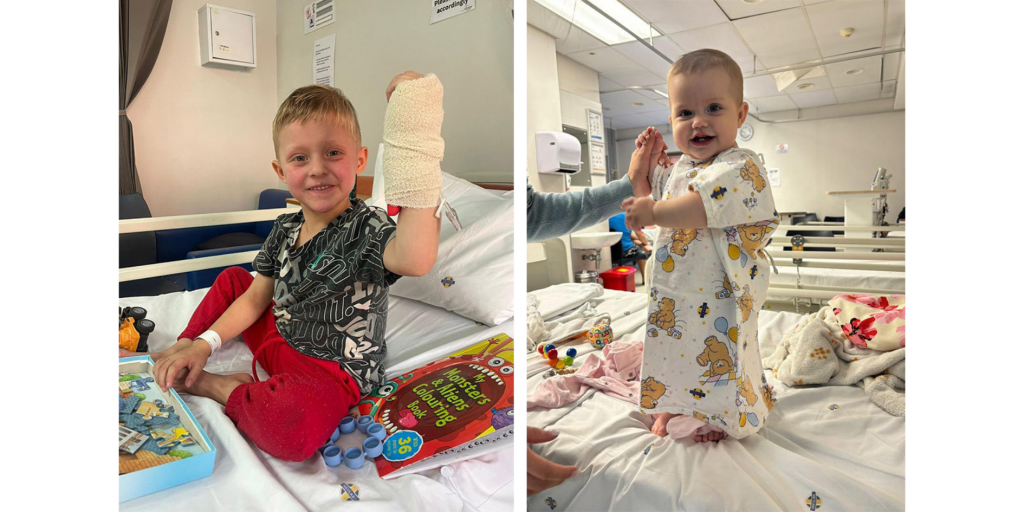
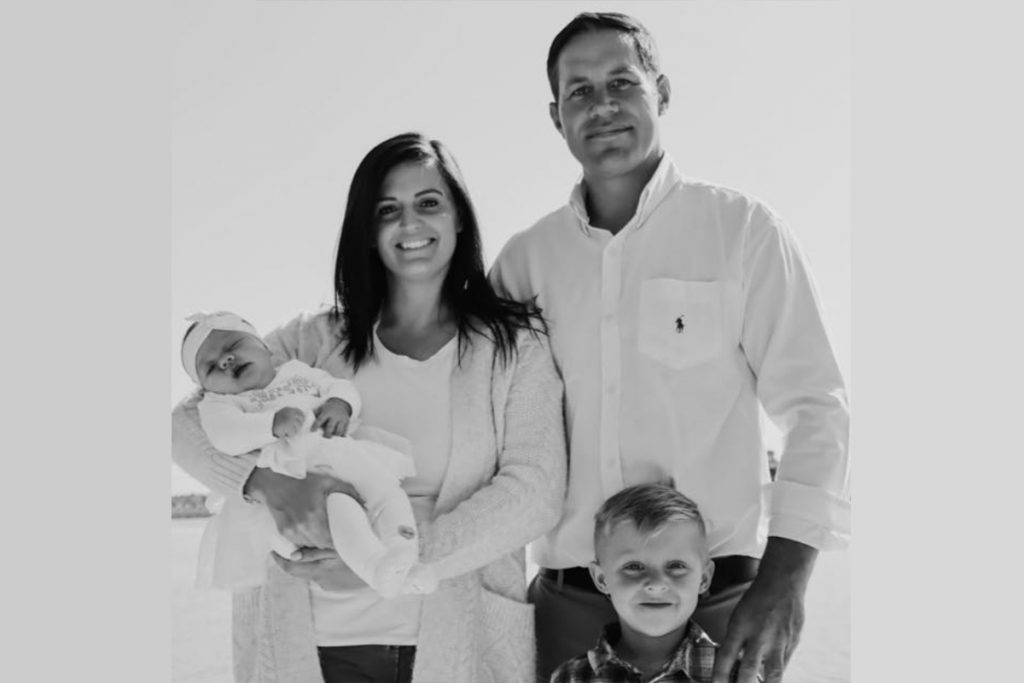
Benoni, South Africa — Two young siblings, 21-month-old Sadie Krause and her six-year-old brother Jesse, have been diagnosed with one of the world’s rarest immune disorders, DOCK8 Immunodeficiency Syndrome. With the only curative treatment available overseas and costing up to $1million per child, the family is urgently appealing for public support to save their lives.
Sadie and Jesse are among fewer than 300 known DOCK8 cases globally, and specialists believe their diagnoses may be among the first formally identified in South Africa.
“When Sadie and Jesse were diagnosed with DOCK8 Immunodeficiency Syndrome, we discovered just how rare this disease truly is, and how little information exists, especially here in South Africa,” says Dominique Nelson-Esch, aunt of Sadie and Jesse.
“With only 250–300 known cases worldwide, DOCK8 is one of the rarest primary immunodeficiencies in the world. As a family, we have spent months searching for answers, consulting countless doctors, and piecing together information that often wasn’t available in one place.”
Understanding DOCK8
DOCK8 Deficiency is caused by biallelic mutations in the DOCK8 gene — Dedicator of Cytokinesis 8 — responsible for helping immune cells move, adapt, and communicate properly. When the gene malfunctions, the immune system becomes severely compromised.
Children with DOCK8 face:
- Persistent skin and lung infections
- Chronic viral illness
- Severe eczema and allergies
- Higher cancer risk
- Extreme vulnerability to everyday germs
For Sadie and Jesse, this means a daily routine of:
- Weekly immunoglobulin infusions
- Ongoing antiviral and antibiotic medication
- Bleach baths for viral skin disease
- Regular hospital visits
- Strict isolation when anyone is ill
- Home-schooling for safety
- Cancelled outings, birthdays and gatherings
Paediatric pulmonologist and clinical immunologist Dr Ashley C. Jeevarathnum, who is overseeing their care, explains:
“Children with DOCK8 do not have a fully functioning immune system. They are highly vulnerable to severe infections, chronic viral skin disease, progressive lung damage, and certain cancers at a young age. Without definitive treatment, the condition is fatal.”
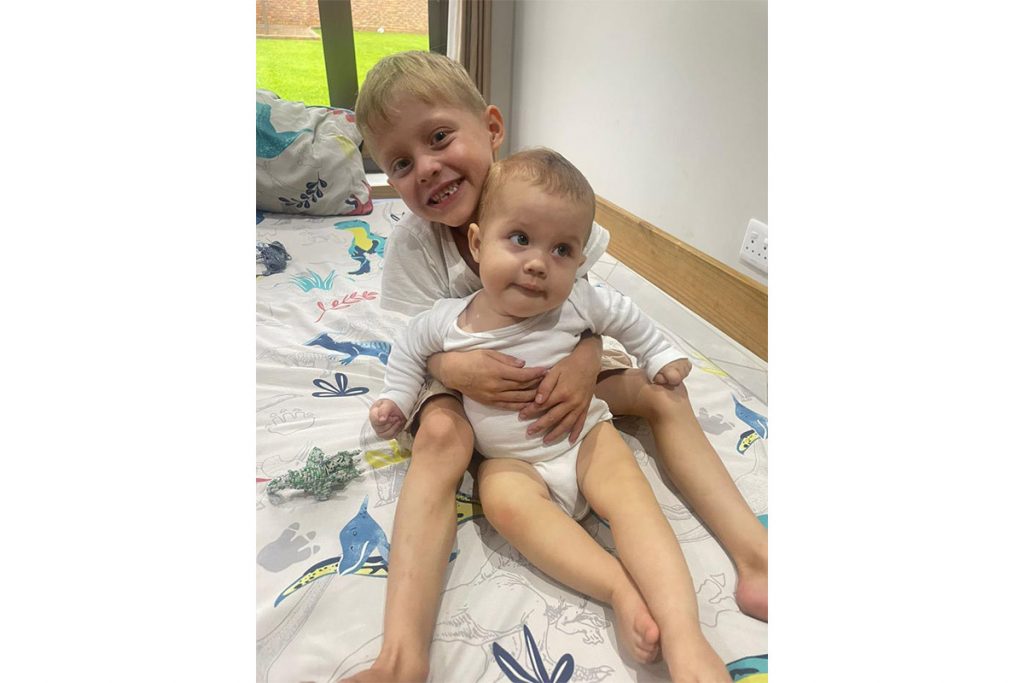
Even with so much happening around them, Jesse remains kind and watchful, and Sadie’s laughter still fills the room.
A Diagnosis That Changed Everything
Parents Lee-Ann and Clayton spent years seeking answers as their children battled severe infections, skin complications, and unexplained illnesses.
When the diagnosis finally came, it brought clarity — but also the devastating reality that South Africa cannot provide the only lifesaving treatment their children need.
To help manage the overwhelming medical and administrative demands, the children’s aunts —
Dominique, sister of Clayton and Claire, sister of Lee-Ann established the Sadie & Jesse DOCK8 Foundation.
“It has taken so many childhood moments,” says Dominique. “And yet Jesse remains a gentle, protective big brother, and Sadie’s giggles still light up the room even on the hardest days. Their spirits remind us what’s at stake — the chance to grow up, to dream, and to live the childhood every child deserves.”
The Only Lifesaving Treatment — Overseas
The only curative treatment for DOCK8 is an allogeneic haematopoietic stem cell transplant (HSCT) — one of the most complex medical procedures in the world.
Due to the condition’s severe rarity, South Africa does not have a formalised DOCK8 transplant programme, and the procedure must be performed at international centres with proven DOCK8 expertise. Most successful transplants have taken place in the United States and Europe, with survival rates of 80–85% when completed early.
The cost, however, is staggering:
R20 million to R30 million per child
“When we learned about the astronomical costs per child, it was terrifying,” says Dominique. “No family can shoulder that kind of cost alone. Asking the public for help wasn’t an easy decision, but it felt like the only way forward and to give the kids a real chance at life.”
The family’s medical scheme has been vague about what they will cover. To date, more than R120,000 has already been paid out-of-pocket just to stabilise the children.
“This is not experimental or optional — in the correct hands, HSCT is curative,” Dr Jeevarathnum emphasises. “The diagnosis is real, the medical situation is urgent, and the funds requested are for proven, lifesaving therapy.”
Community Support Grows
In response to the overwhelming financial burden, Dominique and Claire launched a BackaBuddy campaign that has gained remarkable early momentum.
More than 300 donors have already contributed over R300,000, sending messages of love, encouragement, and prayer.
“With grateful hearts — to everyone who has followed Jesse and Sadie’s journey, shared their story, sent words of encouragement, or given so generously, thank you,” says the family. “Your love and support carry this family through the hardest days.”
Why Every Donation Matters
The financial need extends far beyond the transplant itself, with ongoing costs for weekly immunoglobulin, specialist visits, medication, home-schooling, medical supplies, transport, counselling, and many hidden day-to-day expenses.
“It all adds up,” the family explains. “Every contribution brings them one step closer to the lifesaving transplants they urgently need.”
The public is invited to help Sadie and Jesse receive the urgent medical care they need by donating here:
https://www.backabuddy.co.za/campaign/sadie-jesse-krauses-stem-cell-transplants
All funds go directly toward the children’s treatment and long-term care