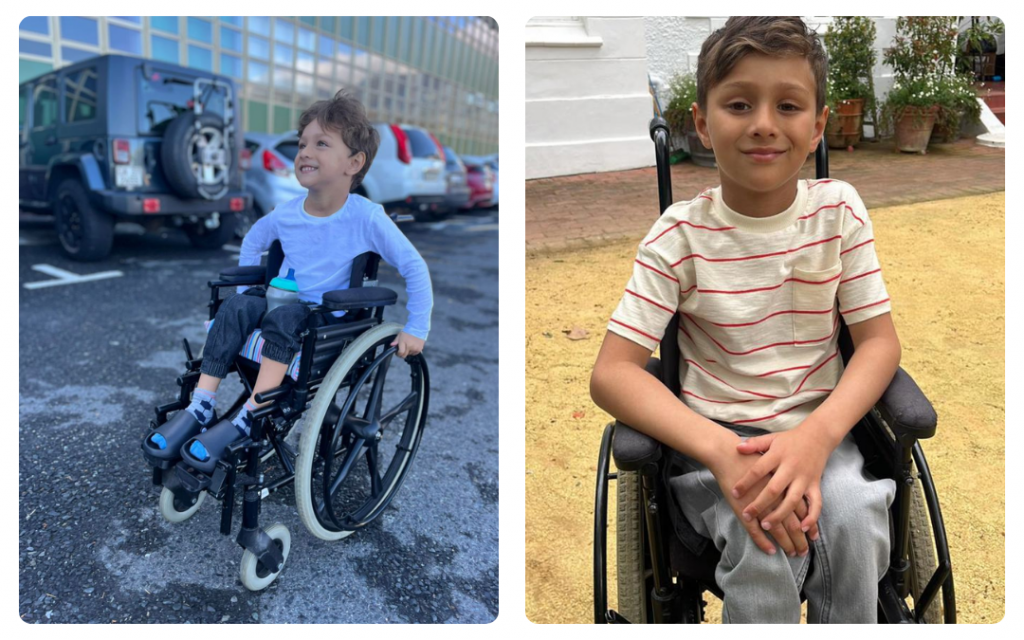
When he outgrew his old chair, Elijah’s family knew that he would need a lightweight, custom-fit wheelchair designed specifically for his growing body and active spirit. Paediatric wheelchair fundraising in South Africa is quite a niche crowdfunding category to most people, but Elijah’s family knew they would find a community of support on BackaBuddy. And within weeks of launching their campaign, donors came together to raise almost R40,000.
On International Wheelchair Day, 6-year-old Elijah received something life-changing. To most of us, we might see his new wheelchair and think, “nice,” before moving on. But this wheelchair is giving Elijah something most of us take for granted every day: the freedom of movement. Elijah could finally return to school safely, move confidently, and keep up with the speed he loves so much.
Elijah’s story highlights something most able-bodied people don’t realise: Not all wheelchairs are created equally, and for children, a custom-fit wheelchair is not a luxury; it’s a necessity.
Why a “Standard” Wheelchair Often Isn’t Enough for a Child
Paediatric wheelchairs are fundamentally different from adult-sized, generic, or hospital-issued chairs. Children are still growing, and their bodies change rapidly. Additionally, their posture, spine alignment, muscle tone, and balance all require careful support. When a child’s wheelchair is poorly fitted, it can:
- Cause long-term spinal damage
- Create pressure sores
- Limit independence
- Increase risk of tipping or injury
- Restrict participation in school and sport
- Lead to secondary health complications
Elijah’s previous chair was heavy, unstable, and, for a six-year-old little boy who loves independence, that matters. By securing a custom paediatric wheelchair, Elijah’s family were able to give him a mobility aid that:
- Matched this exact measurements
- Offered him better balance
- Supports his posture and muscle development
- Allows for safe mobility when he’s at school and outdoors
- Grows and adjusts with his body
For children like Elijah, mobility is the foundation of their development. It builds up their confidence and allows them to participate and get involved in and outside of school.
Environmental Barriers & Paediatric Wheelchairs
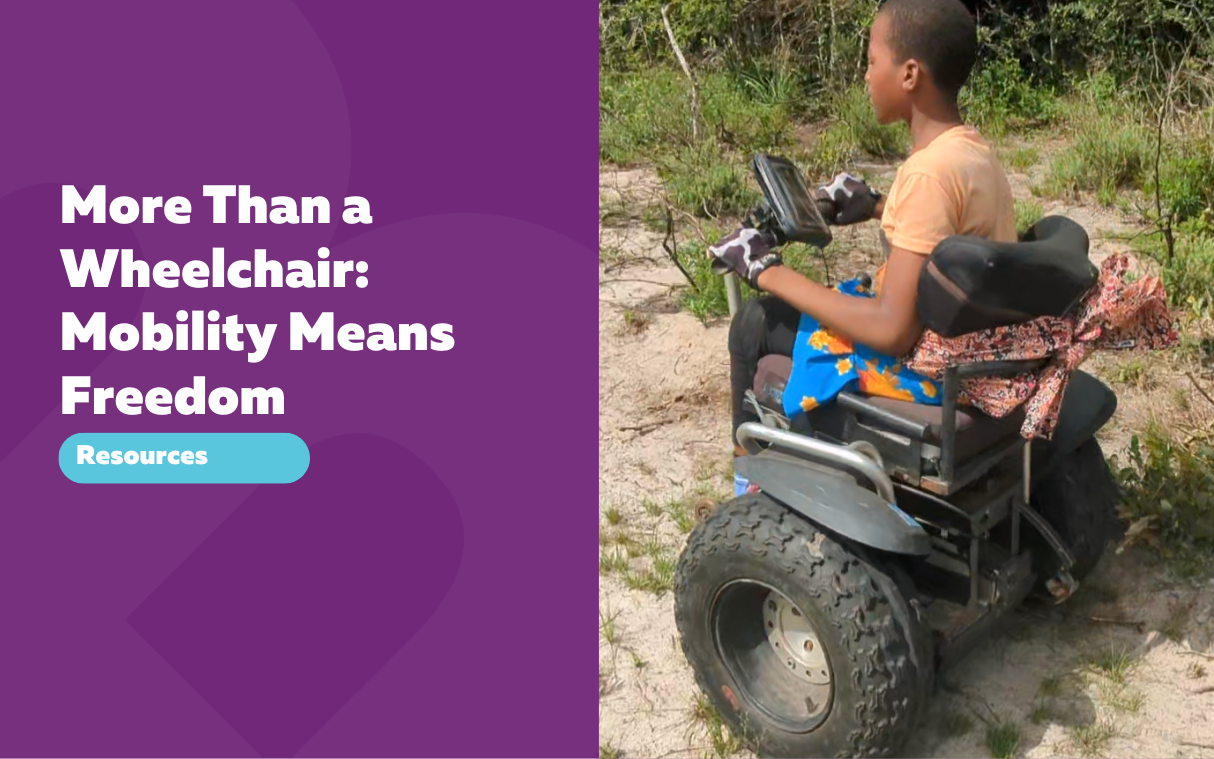
Elijah’s story isn’t unique. Earlier this year, Sikholelwe’s campaign, Keep Her in School: The Segway Challenge, highlighted another side of the same issue. Living in a rural area with thick beach sand and no accessible transport, Sikholelwe’s standard wheelchair simply couldn’t cope. This meant that her mother had to carry her to school every day. A school that is 3kms away from her home. Without a solution, she risked dropping out entirely.
The answer arrived in the form of an adapted Segway. Custom-built through AddMobility in the UK, the mobility aid is capable of navigating sand, rural terrain, and long distances independently. Her campaign raised over R161,000 to secure that life-changing equipment. Read more about Sikholelwe’s campaign.
Why Are Custom Paediatric Wheelchairs in South Africa So Expensive?
The public health system in South Africa often cannot cover the high costs associated with these specialised wheelchairs. And caregivers with medical insurance know that most only partially fund them. This leaves families scrambling to find ways to bridge that financial gap. If you’re wondering why these mobility aids are so costly, the answer is surprisingly simple:
- Their lightweight frames are made from high-end aluminium or titanium
- The seating systems are typically customised which requires more time and skill from the manufacturer
- They’re designed to adjust as the child grows, making them a long-term investment
- Most come with built-in postural support cushions made from high quality materials
- The unique anti-tip safety mechanisms require highly skilled manufacturing
- Some paediatric wheelchairs have special wheels for difficult terrain
- Often parts are not locally manufactured and need to be imported from Europe and America
Start Here if You’re Researching Mobility Options
Local & International Suppliers
- 🇿🇦 Shonaquip Social Enterprise: Specialists in posture-support wheelchairs for children
- 🇿🇦 CE Mobility: Distributors of customised and lightweight mobility equipment
- 🇿🇦 MedOp: Paediatric mobility solutions
- 🇬🇧 AddMobility: Custom-built mobility systems (including Sikholelwe’s adapted Segway chair)
Nonprofit Support Organisations
- QuadPara Association of South Africa (QASA)
- Boikanyo the Dion Herson Foundation
- Shonaquip Foundation
Remember: Before reaching out to an organisation for assistance, ensure that you’ve consulted with an occupational therapist, a rehabilitation specialist or a paediatric physiotherapist. Clinical assessments will ensure that your child’s wheelchair is right for their needs.
5 Steps to Help You Raise Funds for a Wheelchair on BackaBuddy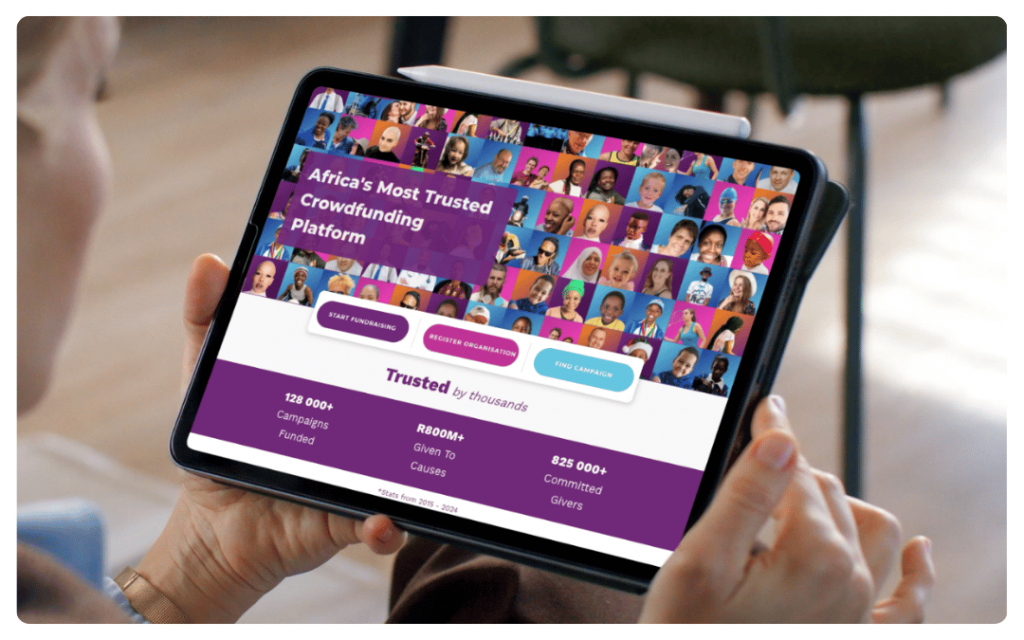
Wheelchair campaigns perform particularly well on BackaBuddy because the need is clear, the fundraising outcome is tangible and donors can easily see the impact their support will have. If you’re thinking about starting a crowdfunding campaign for a wheelchair, here are five tips that will set you up for success.
1. Explain Why the Current Chair Isn’t Suitable
Be specific about why the current wheelchair is no longer suitable. When drafting your fundraising story, consider your child’s growth, the impact their current wheelchair has on their development, their access to education and their safety. If you’re unsure of where to start, take a look at this example from Sikholelwe’s campaign:
Sikholelwe’s mom carries her to school and back daily. But she is getting older and Sikholelwe is getting heavier! Without a transport solution soon, Sikholelwe runs the risk of dropping out of school.
Her current rural three wheeler wheelchair negotiates short bits of sand grudgingly, and cannot even be dragged backwards for 3km (it is easier to piggy back her). The current ‘motorized’ power chairs do not even cope with a little bit of sand. The family is too poor to maintain any donated quadbike or vehicle and live 35km from the closest mechanic or fuel station. But they have electricity. And the area is very remote and safe.
2. Break Down the Costs
Donors love transparency because it builds trust., They want to know that there’s a real person behind the campaign with very real needs. Elijah’s family included a copy of the quote they received for the wheelchair they needed and Sikholelwe’s campaign contextualized her story, the challenges she faced, and what was needed perfectly using videos, images and text. If you’re not sure where to start, consider the basics, for example:
- Base chair price
- Custom seating adjustments
- Import or shipping fees
- Therapy assessments
3. Share Photos or Video
Visual aids help tell your story and bring donors closer to your world, and your needs. In addition to the practical images like quotes and medical bills, include pictures that highlight the current limitation you’re facing. Record a video, load it on YouTube and share the link to your campaign page.
Top Tip: If you’re unsure how to embed videos on your BackaBuddy campaign page, this guide will help.
4. Highlight Independence
Reading Elijah’s story and the learning more about what his new wheelchair made possible is a wonderful example of what freedom of movement means for children with a disability. His campaign, like Sikholelwe’s was about funding independence. That’s why easier access to mobility aids matter so much.
5. Share Campaign Milestones Milestones
Another great way to keep your donors engaged is through campaign updates. You can update your donors directly on your BackaBuddy page. We understand that the emotional cost of trying to secure help for your child is time consuming but if you can make a little time to share an update, it helps so much. Not only do they keep your fundraising momentum going, they also bring your donors into your world, which encourages repeated giving and more shares. Here are a few key moments to note when thinking about when to update your donors.
- 25% funded: At this point, you’re a quarter of the way there. Thank the donors who have already given and remind your community of what the funds raised will enable.
- Order placed: That first moment when you finally feel the relief after ordering the wheelchair is so powerful. You could record a short video, share a picture of the shipping update, or just write a few words to let donors know that the miracle they helped fund is on the way.
- Chair received: This is perhaps the best moment to film a video or take loads of pictures. The relief of ordering the chair has passed and now it’s finally arrived, share that joy with the people who made it possible.
- First day back at school: This is the true impact of the support your campaign has received, not the funds raised, but what those funds made possible. Let your donors know it went, share the little moments as you fumbled to assemble the chair or the confusion when you first read those usage instructions.
People didn’t show up for you because you needed the money, they showed up because they wanted to be part of a life-changing story. Campaign updates are how you tell that story.
One Last Thing Before You Go
If your child, or someone in your community, needs a specialised wheelchair, know that you are not alone. Thousands of South Africans have rallied behind mobility campaigns on BackaBuddy, proving that when the need is clear and the impact is visible, people respond. Because every child deserves a chair that keeps up with their spirit.