
When he outgrew his old chair, Elijah’s family knew that he would need a lightweight, custom-fit wheelchair designed specifically for his growing body and active spirit. Paediatric wheelchair fundraising in South Africa is quite a niche crowdfunding category to most people, but Elijah’s family knew they would find a community of support on BackaBuddy. And within weeks of launching their campaign, donors came together to raise almost R40,000.
On International Wheelchair Day, 6-year-old Elijah received something life-changing. To most of us, we might see his new wheelchair and think, “nice,” before moving on. But this wheelchair is giving Elijah something most of us take for granted every day: the freedom of movement. Elijah could finally return to school safely, move confidently, and keep up with the speed he loves so much.
Elijah’s story highlights something most able-bodied people don’t realise: Not all wheelchairs are created equally, and for children, a custom-fit wheelchair is not a luxury; it’s a necessity.
Why a “Standard” Wheelchair Often Isn’t Enough for a Child
Paediatric wheelchairs are fundamentally different from adult-sized, generic, or hospital-issued chairs. Children are still growing, and their bodies change rapidly. Additionally, their posture, spine alignment, muscle tone, and balance all require careful support. When a child’s wheelchair is poorly fitted, it can:
Cause long-term spinal damage
Create pressure sores
Limit independence
Increase risk of tipping or injury
Restrict participation in school and sport
Lead to secondary health complications
Elijah’s previous chair was heavy, unstable, and, for a six-year-old little boy who loves independence, that matters. By securing a custom paediatric wheelchair, Elijah’s family were able to give him a mobility aid that:
Matched this exact measurements
Offered him better balance
Supports his posture and muscle development
Allows for safe mobility when he’s at school and outdoors
Grows and adjusts with his body
For children like Elijah, mobility is the foundation of their development. It builds up their confidence and allows them to participate and get involved in and outside of school.
Environmental Barriers & Paediatric Wheelchairs
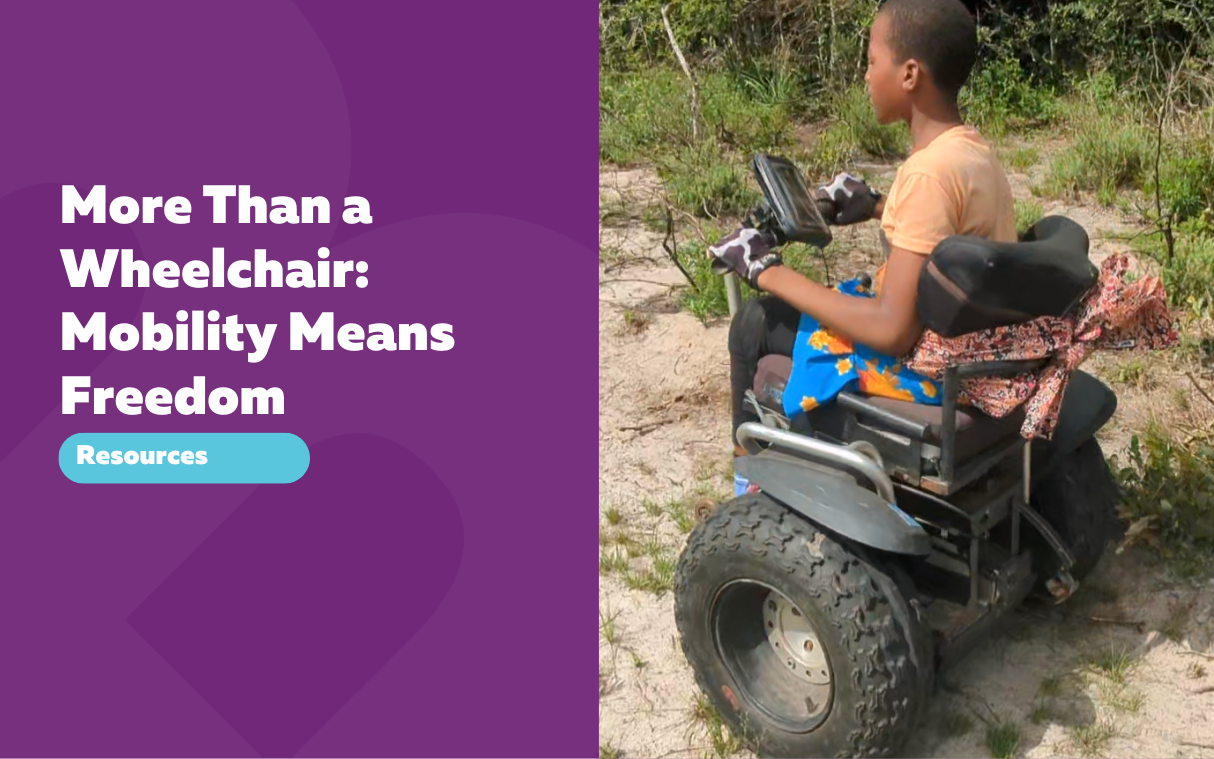
Elijah’s story isn’t unique. Earlier this year, Sikholelwe’s campaign, Keep Her in School: The Segway Challenge, highlighted another side of the same issue. Living in a rural area with thick beach sand and no accessible transport, Sikholelwe’s standard wheelchair simply couldn’t cope. This meant that her mother had to carry her to school every day. A school that is 3kms away from her home. Without a solution, she risked dropping out entirely.
The answer arrived in the form of an adapted Segway. Custom-built through AddMobility in the UK, the mobility aid is capable of navigating sand, rural terrain, and long distances independently. Her campaign raised over R161,000 to secure that life-changing equipment. Read more about Sikholelwe’s campaign.
Why Are Custom Paediatric Wheelchairs in South Africa So Expensive?
The public health system in South Africa often cannot cover the high costs associated with these specialised wheelchairs. And caregivers with medical insurance know that most only partially fund them. This leaves families scrambling to find ways to bridge that financial gap. If you’re wondering why these mobility aids are so costly, the answer is surprisingly simple:
Their lightweight frames are made from high-end aluminium or titanium
The seating systems are typically customised which requires more time and skill from the manufacturer
They’re designed to adjust as the child grows, making them a long-term investment
Most come with built-in postural support cushions made from high quality materials
The unique anti-tip safety mechanisms require highly skilled manufacturing
Some paediatric wheelchairs have special wheels for difficult terrain
Often parts are not locally manufactured and need to be imported from Europe and America
Remember: Before reaching out to an organisation for assistance, ensure that you’ve consulted with an occupational therapist, a rehabilitation specialist or a paediatric physiotherapist. Clinical assessments will ensure that your child’s wheelchair is right for their needs.
5 Steps to Help You Raise Funds for a Wheelchair on BackaBuddy
Wheelchair campaigns perform particularly well on BackaBuddy because the need is clear, the fundraising outcome is tangible and donors can easily see the impact their support will have. If you’re thinking about starting a crowdfunding campaign for a wheelchair, here are five tips that will set you up for success.
1. Explain Why the Current Chair Isn’t Suitable
Be specific about why the current wheelchair is no longer suitable. When drafting your fundraising story, consider your child’s growth, the impact their current wheelchair has on their development, their access to education and their safety. If you’re unsure of where to start, take a look at this example from Sikholelwe’s campaign:
Sikholelwe’s mom carries her to school and back daily. But she is getting older and Sikholelwe is getting heavier! Without a transport solution soon, Sikholelwe runs the risk of dropping out of school.
Her current rural three wheeler wheelchair negotiates short bits of sand grudgingly, and cannot even be dragged backwards for 3km (it is easier to piggy back her). The current ‘motorized’ power chairs do not even cope with a little bit of sand. The family is too poor to maintain any donated quadbike or vehicle and live 35km from the closest mechanic or fuel station. But they have electricity. And the area is very remote and safe.
2. Break Down the Costs
Donors love transparency because it builds trust., They want to know that there’s a real person behind the campaign with very real needs. Elijah’s family included a copy of the quote they received for the wheelchair they needed and Sikholelwe’s campaign contextualized her story, the challenges she faced, and what was needed perfectly using videos, images and text. If you’re not sure where to start, consider the basics, for example:
Base chair price
Custom seating adjustments
Import or shipping fees
Therapy assessments
3. Share Photos or Video
Visual aids help tell your story and bring donors closer to your world, and your needs. In addition to the practical images like quotes and medical bills, include pictures that highlight the current limitation you’re facing. Record a video, load it on YouTube and share the link to your campaign page.
Top Tip: If you’re unsure how to embed videos on your BackaBuddy campaign page, this guide will help.
4. Highlight Independence
Reading Elijah’s story and the learning more about what his new wheelchair made possible is a wonderful example of what freedom of movement means for children with a disability. His campaign, like Sikholelwe’s was about funding independence. That’s why easier access to mobility aids matter so much.
5. Share Campaign Milestones Milestones
Another great way to keep your donors engaged is through campaign updates. You can update your donors directly on your BackaBuddy page. We understand that the emotional cost of trying to secure help for your child is time consuming but if you can make a little time to share an update, it helps so much. Not only do they keep your fundraising momentum going, they also bring your donors into your world, which encourages repeated giving and more shares. Here are a few key moments to note when thinking about when to update your donors.
25% funded: At this point, you’re a quarter of the way there. Thank the donors who have already given and remind your community of what the funds raised will enable.
Order placed: That first moment when you finally feel the relief after ordering the wheelchair is so powerful. You could record a short video, share a picture of the shipping update, or just write a few words to let donors know that the miracle they helped fund is on the way.
Chair received: This is perhaps the best moment to film a video or take loads of pictures. The relief of ordering the chair has passed and now it’s finally arrived, share that joy with the people who made it possible.
First day back at school: This is the true impact of the support your campaign has received, not the funds raised, but what those funds made possible. Let your donors know it went, share the little moments as you fumbled to assemble the chair or the confusion when you first read those usage instructions.
People didn’t show up for you because you needed the money, they showed up because they wanted to be part of a life-changing story. Campaign updates are how you tell that story.
One Last Thing Before You Go
If your child, or someone in your community, needs a specialised wheelchair, know that you are not alone. Thousands of South Africans have rallied behind mobility campaigns on BackaBuddy, proving that when the need is clear and the impact is visible, people respond. Because every child deserves a chair that keeps up with their spirit.
Emergencies can happen when we least expect them, and knowing who to call can be lifesaving. Whether it’s a medical crisis, safety concern, or emotional distress, having the right numbers at hand can make all the difference.
Here’s a comprehensive list of South African emergency hotlines, apps, community groups, and organisations, updated with the latest information.
National Emergency Numbers
National Emergency Line (Ambulance, Fire, Police): 112 (from any mobile)
mySOS (Emergency App):mysos.co.za – GPS-linked support for medical, security, and roadside emergencies
Community Policing Forums (CPFs): Check your local CPF group on Facebook for area-specific safety updates
When You Need Crowdfunding Support
In addition to emergency services, sometimes a crisis requires financial assistance for medical bills, disaster relief, or emotional support resources.BackaBuddy offers a trusted crowdfunding platform where you can create a campaign to raise funds quickly and safely from your community. Whether you’re seeking help or want to contribute to someone in need, crowdfunding can make a meaningful difference.
In South Africa, gender-based violence (GBV) remains a devastating reality, with one in three women experiencing physical or sexual violence in their lifetime and over 40% of children enduring abuse before they reach adulthood. Despite its prevalence, many cases remain unreported, leaving survivors without justice or support.
The 16 Days of Activism Against Gender-Based Violence, observed globally from 25 November to 10 December, is a crucial time to raise awareness, provide support, and foster meaningful change.
Here’s how you can better understand, engage, and take actionable steps to address violence against women and children.
Understanding Gender-Based Violence
Gender-Based Violence (GBV) refers to harm directed at individuals based on their gender. This includes physical, emotional, sexual, and economic abuse, often rooted in power imbalances and cultural norms that perpetuate inequality.
This year’s theme, UNITE! Activism to End Violence Against Women and Girls, highlights the collective responsibility to create safer and more equitable communities.
Understanding Myths About Abuse: Why We Must Avoid Victim-Blaming
Victim-blaming silences survivors and perpetuates harmful stereotypes. Common myths to challenge include:
“Why didn’t they leave?” Leaving is often dangerous and complicated by fear, finances, or children.
“They provoked it.” Abuse is the abuser’s choice—no one deserves violence.
“It only happens in certain communities.” GBV transcends class, race, and geography.
Learn more about dismantling these myths atSaferSpaces.
How to Get Help
Hotlines for Support
If you or someone you know needs immediate assistance, these hotlines offer confidential, 24/7 support:
Lifeline South Africa: 0861 322 322
GBV Command Centre: 0800 428 428 or dial 120 7867# from a cellphone.
Childline South Africa: 0800 055 555
Tears Foundation: SMS “HELP” to 1347355 for nearby support services.
South African Police Service (SAPS): 10111 for emergencies.
Crowdfunding can provide financial relief to survivors of abuse. If you want to make a difference, consider starting a campaign onBackaBuddy. Funds raised can support survivors with legal fees, housing, counselling, and more. Visit BackaBuddy to start your campaign today.
Digital Advocacy Tools
The digital age provides powerful tools to support survivors and amplify advocacy efforts.
Apps to Support Survivors
Safe Place: Crisis response and shelter information.
bSafe: Personal safety app with an SOS button and location sharing.
Bright Sky SA: Offers GBV resources and a risk assessment tool.
For survivors of abuse, healing is a personal journey that takes time and support. Here are some practical steps to begin:
Seek Professional Help Therapists and counsellors trained in trauma can provide a safe space to process emotions and develop coping strategies. Free Services: Explore resources likeLifeLine SA orSadag.
Build a Support System Surround yourself with trusted friends, family, or support groups who can provide encouragement and understanding. Support Groups: Organisations like POWA and TEARS Foundation run survivor support programs.
Focus on Self-Care
Meditation and Mindfulness: Apps like Calm or Headspace offer guided exercises to manage anxiety.
Journaling: Writing about your experiences can help process emotions and track progress.
Reconnect with Hobbies Rediscover activities that bring joy, whether it’s art, music, gardening, or sports.
Set Boundaries Learn to prioritize your needs and create boundaries that protect your emotional and physical well-being.
Homelessness in South Africa is a growing concern, impacting individuals and families across all provinces. At BackaBuddy, we understand the importance of providing resources and support to those in need. This guide offers insights on supporting loved ones who may be experiencing homelessness, how to communicate compassionately, and a comprehensive list of shelters across South Africa.
Understanding Stigmas and Causes of Homelessness
Addressing homelessness requires empathy and awareness of the many factors contributing to it. Unfortunately, some stigmas persist that can prevent effective support and understanding. Here’s what you need to know:
Common Causes
Economic Hardships: Job loss, low wages, or insufficient affordable housing are significant contributors.
Health Issues: Both physical and mental health challenges can affect a person’s ability to maintain employment or stable housing.
Family Disruption: Domestic violence, family conflict, or loss of a family member can lead individuals to homelessness.
Lack of Support Services: Without access to mental health care, job training, or rehabilitation services, many struggle to regain stability.
Common Stigmas
Laziness or Lack of Motivation: Many believe those experiencing homelessness are unwilling to work, overlooking systemic challenges they face.
Substance Abuse: Although addiction may contribute to homelessness for some, many affected individuals struggle with complex mental health and economic issues.
Criminal History: A past conviction can limit access to stable employment or housing, pushing some into homelessness.
How to Support a Loved One Experiencing Homelessness
Supporting someone facing homelessness can be challenging, but small, meaningful actions can make a big difference. What can you do?
Listen with Empathy Approach conversations with openness and empathy. Just being present can help them feel valued and less isolated.
Offer Practical Assistance
Provide essential items like a meal, warm clothing, hygiene products, or transport fare to meet immediate needs.
Support them through fundraising on platforms likeBackaBuddy, where crowdfunding campaigns can help secure essentials, temporary housing, or job training resources.
Encourage Steps Forward Offer hope by encouraging small, manageable steps toward stability, such as exploring job training or reaching out to shelters for transitional housing.
Communicating with Respect and Compassion
When speaking to someone who is experiencing homelessness, an empathetic, respectful approach can make all the difference. Here’s how:
Be Respectful: Address them as an equal, using their name if known.
Listen Actively: Let them share without interrupting or judging.
Ask Open-Ended Questions: Invite them to share what kind of support would be most helpful.
Offer Help, Not Solutions: Ask how you can assist instead of assuming what they need.
Respect Boundaries: Recognize their need for privacy and personal space.
Show Compassion: Sometimes just knowing someone cares can make a difference.
Legal Rights of Homeless Individuals
In South Africa, there are rights in place to protect and support those experiencing homelessness. Being aware of these can provide some relief:
Access to Shelter: Municipalities are encouraged to provide emergency shelter to those in need.
Right to Dignity and Privacy: The South African Constitution safeguards dignity and privacy for everyone, regardless of their living situation.
Access to Health and Social Services: Free healthcare and emergency housing assistance are available for those in crisis.
Immediate Resources for Those in Crisis
In times of crisis, knowing where to turn for help can be life-changing. If someone is experiencing homelessness or a crisis, here’s where they can get help:
Emergency Contacts
Police / Ambulance: 10111
National Gender-Based Violence Hotline: 0800 428 428
Suicide Crisis Line: 0800 567 567
Lifeline South Africa: 0861 322 322 (counseling services)
Mental Health Support
Lifeline SA: 0861 322 322 for crisis counseling.
SADAG: Free support groups and mental health resources: 0800 567 567.
Grief is a complex emotional response to loss, often associated with the death of a loved one, but it can also arise from other significant life changes. The process of grieving is deeply personal, varying greatly from one person to another. Understanding grief, how to handle it, and how to support others through it can make a significant difference in navigating this challenging experience.
What is Grief?
Grief is an intense emotional experience that encompasses a range of feelings such as sadness, anger, guilt, and even relief. It’s not a single emotion but rather a process that unfolds over time, often in stages. These stages—denial, anger, bargaining, depression, and acceptance—aren’t linear, and not everyone experiences all of them.
How to Process Grief
Processing grief involves allowing yourself to feel the emotions without judgement. It’s important to find healthy outlets for your grief, whether through talking with trusted friends or family, engaging in creative expression, or seeking professional help. Here are some approaches that may help:
Talk About Your Feelings: Sharing your emotions with someone you trust can lighten the burden. It could be a friend, family member, or a professional counsellor.
Seek Professional Help: Grief counselling or therapy can provide you with tools to navigate your feelings and work through your grief in a healthy way. Organisations likeSouth African Depression and Anxiety Group (SADAG) offer free counselling services that can be incredibly beneficial during this time.
Take Care of Yourself: Ensure you’re eating well, getting enough sleep, and engaging in gentle physical activity. Taking care of your physical health can also help you manage emotional stress.
How to Support Someone Through Grief
Supporting someone in grief involves offering a listening ear and being present without trying to “fix” their pain. It’s about acknowledging their loss and offering comfort in ways that respect their grieving process.
Listen and Be Present: Sometimes, just being there and listening is the most supportive thing you can do. Avoid giving advice unless asked; instead, offer a listening ear.
Offer Practical Help: Grief can make even simple tasks feel overwhelming. Offering to help with everyday tasks, such as cooking or errands, can be a significant relief.
Suggest Resources: Encourage them to seek support from professional organisations, such asLifeLine South AfricaorHospice South Africa, which provide counselling and support services for those dealing with loss.
Running an “In Loving Memory” Campaign on BackaBuddy
Honouring a loved one’s memory through a crowdfunding campaign can be a meaningful way to channel grief into action. BackaBuddy allows you to create a campaign in memory of someone, raising funds for causes they cared about or that reflect their passions and values. This not only preserves their legacy but also brings together a community of supporters who share in your loss and want to contribute positively.
Choose a Cause: Decide on a cause that reflects your loved one’s passions or values.
Tell Their Story: Share what made your loved one special and why this cause is meaningful. Include photos, videos, and updates to keep supporters engaged.
Share Widely: Use social media, email, and word of mouth to spread the word about your campaign.
Additional Resources for Grief Support
Link to Articles About Grief
For those looking to delve deeper into understanding and processing grief, here are some insightful articles:
Coping with Loss: Navigating the Journey Through Grief
This article offers practical strategies and compassionate guidance for navigating the journey of grief and finding healing.Read More
How to Be There for Someone Who’s Grieving
This article provides practical tips and guidance on how to support a grieving friend or family member with compassion and understanding.Read More
The Five Stages of Grief Explained
This article offers a clear explanation of the five stages of grief and how they might manifest differently for each individual.Read More
Apps for Grief Support
In today’s digital age, several apps can offer comfort, resources, and community support for those grieving:
GriefWorks – An app that offers daily tips, journaling prompts, and guided meditations designed to help you process grief at your own pace.
My Grief Angels – This app connects you with others going through similar experiences, offering peer support and resources.
Mindfulness for Grief – Focuses on mindfulness practices specifically tailored for those grieving, helping you find peace in difficult times.
Free Resources for Grief Support in South Africa
Accessing support during grief is crucial, and there are several resources in South Africa that can provide help at no cost:
SADAG: Offers free counselling services and support groups for those dealing with grief and other mental health challenges.
LifeLine South Africa: Provides a 24-hour crisis helpline and counselling services for individuals dealing with grief and other crises.
Hospice South Africa: Offers palliative care and bereavement support services across the country, helping families navigate the complexities of loss.
These organisations can provide valuable support, whether you’re seeking help for yourself or looking to support someone else through their grief.
For more information on creating a memorial campaign, visitBackaBuddy.
Youth Day in South Africa, celebrated on June 16th, is a significant occasion that honours the courage and sacrifice of the youth who fought against apartheid in 1976. It’s also a time for today’s youth to consider their role in advancing democracy. The 2024 theme, “Actively Advancing Socio Economic Gains of Our Democracy” highlights the essential role of young people in building a brighter future.
At BackaBuddy, we believe in empowering youth through volunteering, community engagement, and innovative tools like online crowdfunding. Here’s a list of activities that promote personal growth, community development, and equip young people with the skills to drive social change.
Supporting a Peer’s Cause or Launching a Crowdfunding Campaign:
Youth Day is a great time to support a peer’s cause or start your own initiative. With BackaBuddy, you can leverage the power of online crowdfunding to create a significant impact.
How to Support a Peer’s Cause:
Find a Campaign: Browse BackaBuddy’s Campaigns to find a cause you’re passionate about. You can support various projects ranging from education and healthcare to community development.
Donate: Contribute financially to a campaign that resonates with you. Even small donations can make a big difference.
Share: Use social media to share the campaign with your network, encouraging more people to support the cause.
How to Start Your Own Crowdfunding Campaign:
Identify a Cause: Determine a community need or a personal project you’re passionate about.
Create a Campaign:Start a campaign by providing details about the cause, the goals, and how the funds will be used.
Promote Your Campaign: Share your campaign through social media, email, and community networks to reach potential donors.
Engage Your Supporters: Keep your supporters updated on your campaign’s progress and express gratitude for their contributions.
Volunteering and Community Engagement Opportunities Across South Africa:
Find volunteer opportunities that align with your interests. Check the websites listed below for more information.
1. Eastern Cape: Project NMB
Project NMB (Nelson Mandela Bay) is dedicated to community upliftment through various initiatives, including environmental clean-ups, youth empowerment programs, and social development projects. Volunteers can engage in diverse activities that promote sustainable community growth and wellbeing.
Kidz Care Trust offers shelter, education, and support to street children in Bloemfontein. Volunteers can assist with tutoring, mentoring, and organising recreational activities, helping these children build a brighter future.
IkamvaYouth provides after-school tutoring and mentoring to high school students from disadvantaged backgrounds. Volunteers can help with academic support, career guidance, and organising educational activities.
Location: Johannesburg, Pretoria, and various other locations
4. KwaZulu-Natal: The Domino Foundation
The Domino Foundation is dedicated to supporting vulnerable communities through a variety of programs, including feeding schemes, education, and enterprise development. Volunteers can assist in food distribution, educational support, and participating in community upliftment initiatives.
Location: Durban and surrounding areas, KwaZulu-Natal
5. Limpopo: Oasis Haven of Love Foundation
Oasis Haven of Love Foundation focuses on providing care and support to vulnerable children and families in Limpopo. Volunteers can engage in activities such as mentoring, tutoring, and community outreach, helping to create a positive impact in the lives of those in need.
Hands at Work supports vulnerable children and families through community care centers. Volunteers can assist in providing education, healthcare, and food security to those in need.
NOAH (Neighbourhood Old Age Homes) supports the elderly in impoverished communities. Volunteers can engage in intergenerational activities, offering companionship and support to elderly residents while learning from their experiences.
Youth for Change Initiative focuses on empowering young people in the North West province through leadership development, skills training, and community projects. Volunteers can participate in youth-led initiatives that address local challenges and promote positive change.
9. Western Cape: Habitat for Humanity South Africa
Habitat for Humanity builds and renovates homes for families in need. Volunteers can participate in construction projects, helping to provide safe and affordable housing while learning valuable building skills.
Location: Cape Town and other locations across the Western Cape
Why Volunteering and Community Engagement Matter:
Personal Growth: Volunteering exposes youth to diverse experiences, fostering empathy and broadening perspectives.
Skill Development: Engaging in community activities helps develop practical skills such as leadership, communication, and teamwork.
Building Connections: Volunteering provides opportunities to meet new people, build networks, and strengthen community ties.
Creating Impact: Young people can make a significant difference in their communities by addressing local needs through volunteer work.
At BackaBuddy, we are committed to supporting youth and community development. Whether you’re looking to volunteer, support a peer’s cause, or start your own crowdfunding campaign, we’re here to help you make a difference. Join us this Youth Day in celebrating the power of youth engagement and building a brighter, more inclusive South Africa.