Crowdfunding is growing rapidly in South Africa, giving non-profit organisations an incredible opportunity to raise more money by tapping into the power of events-based crowdfunding. While more than R880 million has been raised on BackaBuddy for various causes, our most successful organisations will tell you that fundraising is not always easy.
At BackaBuddy, we are deeply committed to making things easier for the organisations and charities that fundraise on our platform. With that in mind, our team has put together this article on how to diversify your fundraising income through event-based crowdfunding, exploring different ways to raise additional funds by using some of the most famous local sporting and community events.
What is a Charity Champion?
Before diving into your next campaign, it helps to understand the driving force behind modern champion fundraising: the charity champion.
A charity champion is a passionate supporter, volunteer, or everyday hero who steps up to raise funds on behalf of your cause. Instead of your organisation doing all the asking, these individuals create personal fundraising pages linked to your charity. They then rally their own networks, friends, family, and colleagues to donate. When tied to major sporting or community events, these champions become the ultimate advocates for your mission, expanding your reach far beyond your existing donor database.
Once you have registered your charity to raise funds on BackaBuddy, the next step is to find these passionate individuals and put together a winning champion fundraising team.
Where can you find champions?
Tip 1: The best place to find champions to raise funds for your organisation is to reach out to past fundraisers who have previously supported your cause.
Tip 2: If you have volunteers at your organisation, ask them if they would be interested in putting together a campaign to highlight a specific need, or if they can help to promote your new champions when they sign up.
Tip 3: Reach out to friends, family, colleagues, and social groups to see if the keen champions among your inner circle would like to spearhead a champion fundraising drive for your organisation.
Tip 4: Create a post on social media to see if any of your followers are taking part in upcoming events. If anyone on your social network is entering a challenge, message them privately to see if they will champion your cause! You can also share this post in various groups and forums to reach potential donors.
Tip 5: Following the official social media hashtags for major races and challenges could also introduce you to potential champions. Click here to explore event-related hashtags via Ugenie.
Tip 6: Send out a call to action to your email list or database to see if any of your donors will be participating in an upcoming event and would like to raise funds for you.
Here is a template you could use:
Dear [Name],
I hope you are well and staying safe.
We are reaching out to you because you have been a valued supporter of our organisation and the vital work we do.
This month, we are putting together a champion fundraising team for the [Name of Event], which will take place from [Date] to [Date].
We are harnessing the power of events-based crowdfunding to raise awareness for our cause and secure much-needed funds for [Project/Need].
If you are passionate about our organisation and our mission to [insert mission, e.g., feed vulnerable families], please consider entering the [Name of Event] to raise funds on our behalf.
How to enter:
1. Register for the [Name of Event] here: [Link to website]. 2. Create your fundraising campaign on BackaBuddy by letting our team know who you are, how much you would like to raise, and why you are passionate about our organisation here: [Link].
If you have any questions, please contact Lakiwe, your dedicated BackaBuddy Head of Charities, via email at [email protected] to arrange a meeting.
How can you support your champions?
To maximise the success of your events-based crowdfunding efforts, you need to support your champions as much as possible and empower them to raise funds effectively.
Show your champions who you are
If you have an organisational video or emotive, inspiring images that showcase the valuable work you do, share them with your team. This will motivate your champions on their events-based crowdfunding journey and provide them with beautiful, ready-made content to share across social media.
Give your champions the latest statistics relating to your organisation and tell them about your recent success stories. This equips them to confidently engage their networks and encourage donations.
Tell your champions what you need
Crowdfunding campaigns with a tangible, specific need always resonate better with the public. Give your champions a clear idea of how the funds raised will be used to benefit your organisation. This helps them determine a realistic fundraising target and encourages potential donors to give in specific increments.
For example:
“R100 will allow us to purchase 1 pair of shoes for a disadvantaged child living in Edenvale, Johannesburg.”
“Raising R10,000 will allow us to cover the internet data costs for 100 students struggling with online learning in their matric year.”
“If we raise R100,000 through our events-based crowdfunding campaign, we will be able to completely refurbish two classrooms.”
If a participant has a personal connection with your charity and wants to fundraise for a particular project that resonates with them, it makes for a highly emotional and successful crowdfunding appeal!
Highlight your donors and help them spread the word
Throughout their champion fundraising journey, your supporters will need your encouragement to achieve their targets.
Create dedicated posts on social media to introduce your champions to your followers, post regular updates about their campaign progress, and congratulate them publicly when they reach milestones. Encourage your champions to share their personal connection to your organisation on their own platforms alongside their crowdfunding campaign link.
Example of a social media post you could create:
Stefani from Cape Town is halfway towards reaching her fundraising target of R100,000 on BackaBuddy! With the incredible support she has received so far, we can cover the registration costs for 10 learners at UCT! Show her some love and support her champion fundraising campaign here: [Link]
Communicate with your champions
Create a WhatsApp group to keep in touch with your champions, monitor their campaign progress, and learn what is working or where they might need a bit of help. Host regular Zoom meetings to motivate them, say thank you, and offer encouragement. If you would like a BackaBuddy team member to be present in your virtual workshops to share expert tips, just let us know!
Encourage larger donations
If your organisation is Section 18A certified, make sure your champions know to share this information with potential donors. It is a fantastic incentive that encourages businesses and individuals to make larger contributions. If you have Section 18A status, let us know and we can add it directly to your campaign page for all potential donors to see!
If your organisation has any questions about launching an events-based crowdfunding campaign, please reach out to us. The BackaBuddy team is here to help.
We wish your organisation and all your champions the absolute best of luck on their fundraising journey!
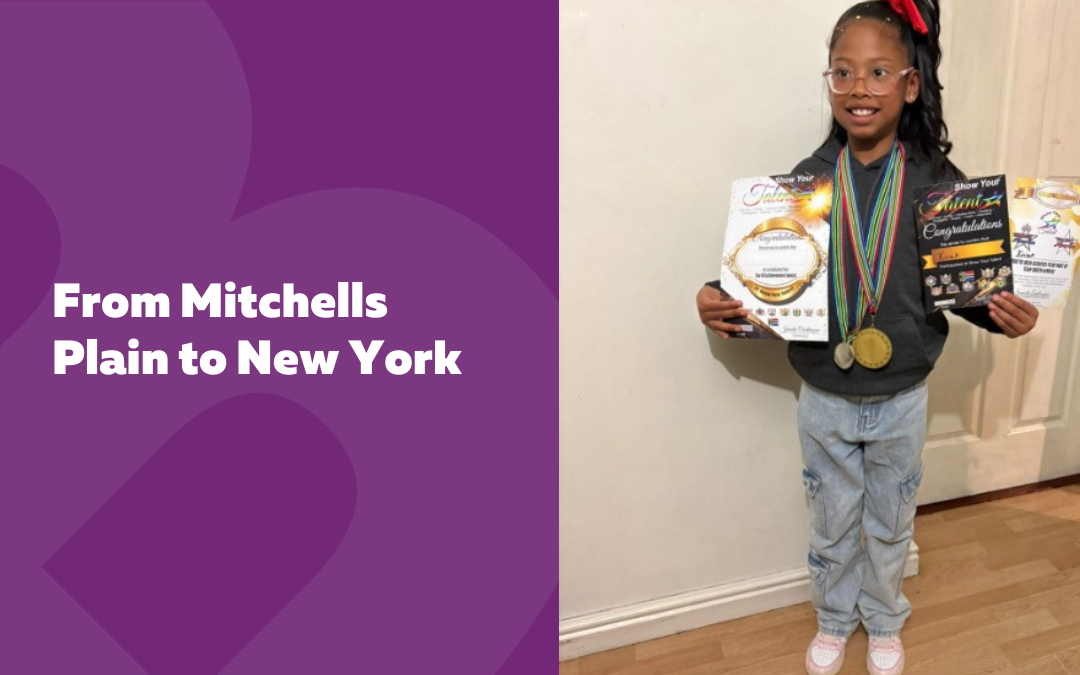
Mitchells Plain, Cape Town — Xiniah Lewin, a 10-year-old competitive hip-hop dancer from Mitchells Plain, is preparing to represent South Africa at an international dance competition in New York next March. This is a milestone shaped by perseverance, family support, and a journey through early challenges that once limited her ability to thrive at school.
Despite earlier challenges with her eyesight, dance became the space where Xiniah felt focused, capable, and in control. Shortly after her 10th birthday in January, Xiniah earned her place on the international stage.
To help make the opportunity possible, Xiniah’s mother, single parent Chantal Lewin, has launched a BackaBuddy crowdfunding campaign to raise funds for travel, accommodation, and competition-related costs.
“This opportunity means the world to her,” Chantal says. “It’s not just about a competition, it’s about recognising her effort and giving her the chance to stand confidently in who she is.”
Finding her Rhythm
During her early school years, Xiniah experienced persistent learning challenges that were not immediately understood. While her twin sister progressed with ease, Xiniah struggled in ways that gradually affected her confidence.
“It was heartbreaking to watch,” her mother recalls. “She was trying just as hard, but without the support she needed, she began to believe she wasn’t good enough.”
The turning point came when Xiniah’s eyesight difficulties were identified and corrected.
“Once she got her lenses, it was like everything changed overnight,” Chantal says. “Her confidence came back, and she finally started to see herself the way I always saw her.”
With that clarity, dance became more than an activity — it became a place of safety and self-expression. Xiniah began dancing at First Step Dance School last year, where her natural rhythm and work ethic quickly stood out.
“When she dances, the world stops feeling overwhelming,” her mother explains. “On that floor, she isn’t defined by struggle. She’s focused, strong, and completely in control.”
Strength Built Through Support
Raised by her mother during a period when her father was absent due to substance dependency, and who is now in recovery by the grace of God, Xiniah learned resilience early on — a quality that now defines her presence on stage.
“She dances with purpose,” Chantal says. “Not for attention, but because it’s how she claims her space in the world.”
That determination was recognised when Xiniah was selected to represent South Africa in New York, a moment her mother describes as deeply emotional.
“I felt an overwhelming sense of pride,” she says. “It was like all the difficult moments finally made sense. I realised those years weren’t wasted, they were preparing her for this.”
The Financial Reality Behind the Dream
While the opportunity is significant, the financial demands remain substantial. The BackaBuddy campaign has set a target of R120 000 to cover Xiniah’s primary costs. To date, over R7 000 has been raised with support from four donors.
In reality, the total cost of the journey is closer to R195 000, as Chantal must also fund her own travel to ensure her daughter’s safety.
“As a single mom, the financial weight is heavy,” she says. “I’ll cut every comfort if it means being there for her. My only priority is standing by her side.”
She adds that her greatest fear is not Xiniah’s performance, but the possibility that finances could limit the opportunity.
“She has already done the hard work,” Chantal says. “I don’t want money to be the thing that stops her now.”
Why Community Support Matters
For the Lewin family, the campaign represents a belief that potential should not be limited by circumstance.
“I reached out because I refuse to let her story end in doubt,” Chantal says. “This isn’t just a trip — it’s about showing her that she belongs and that people believe in her.”
“Every person who supports her is reminding her that the world can be kind,” Chantal adds. “And that she is capable of more than she ever imagined.”
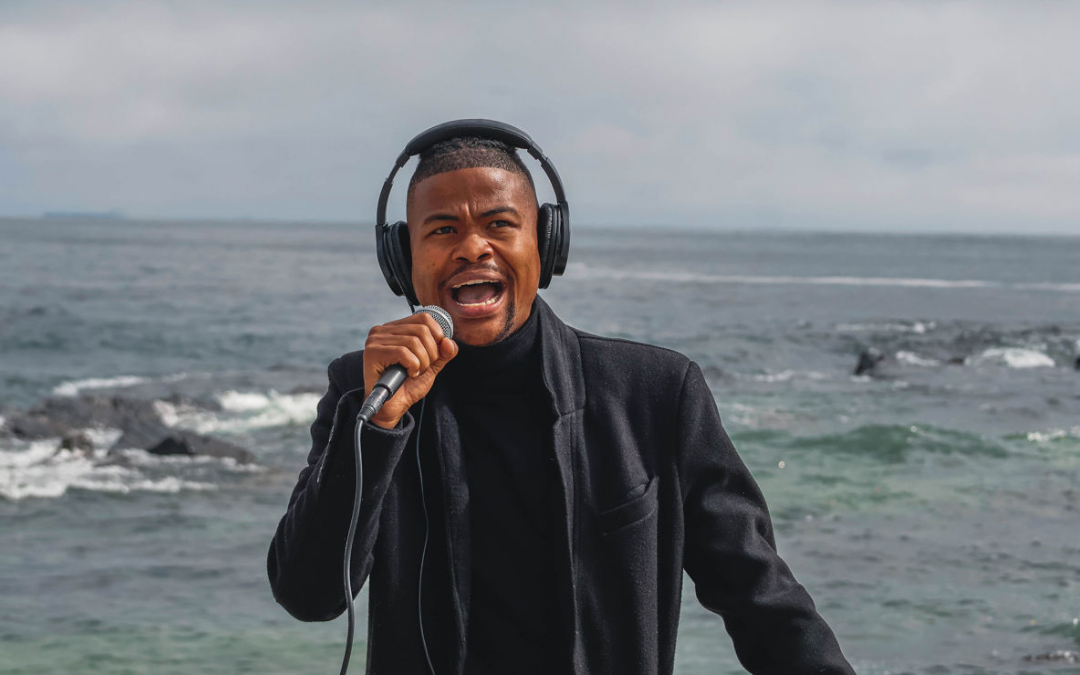
Germiston / Cape Town, South Africa — February 2026 Kutlwano Kenneth Yika, a 27-year-old street musician based in Germiston, Gauteng, has spent years performing across towns and cities in South Africa, from busy traffic intersections to public spaces, building a national following long before his recent viral rise on social media.
Now, after gaining widespread online attention for his performances, Yika is converting that visibility into direct community support through a BackaBuddy crowdfunding campaign aimed at expanding his live performances even further.
Launched 12 days ago, Yika’s campaign, Travel the World With Me, has raised over R15 000 from 10 unique donors toward a R150 000 goal. The funds will support travel, fuel, and basic touring costs, allowing him to continue performing in South African towns and cities he has already visited, while also reaching new audiences locally and internationally.
“Being a street musician has helped get me the recognition I need, whether through word of mouth or social media,” Yika says. “It’s helped with my growth, particularly performing at the highest level, knowing how to read the mood and project my voice.”
A Career Built on Movement and Consistency
Long before viral videos brought him global attention, Yika travelled between towns across South Africa, busking daily and refining his craft in unpredictable environments.
“I focused on what I was doing before integrating social media, busking every single day all over Gauteng and beyond,” he explains. “That consistency is what shaped me.”
Street performance, however, has not always been met with understanding.
“Performing at traffic lights is never something people expect,” Yika says. “I’ve been misunderstood or viewed as an imposter, people thinking I’m lip-syncing, because of how unique my approach is.”
Despite this, his performances began resonating far beyond the street corners where they started. His international, nostalgic song choices, paired with a distinctive vocal style, attracted online viewers who stayed.
“The music is international and nostalgic, that’s a winner on its own,” he says. “But I think my voice and style of singing is what sold me to the world.”
Virality With Perspective
While social media has amplified his reach, Yika remains cautious about its impact.
“Being viral helps with people reaching out,” he says, “but it can also be detrimental. New people sometimes expect an overnight success story.”
Instead, he has used platforms like TikTok livestreaming as a tool, not a shortcut, to sustain his work.
“My livestreams help add more money to sustain my brand and living needs,” he says, “but the foundation is still live performance.”
Community Support Across Borders
The campaign’s donor base reflects Yika’s growing national and international reach, with contributions from South Africa and abroad.
“Hope to see you in the UAE! ❤️” wrote Tiffany Govender, who donated R2,000. “Good luck, looking forward to meeting you in person,” wrote Barbara, contributing US$100. “Live the dream,” added Wizard LFC, a repeat donor to the campaign.
For Yika, these messages reinforce his belief in community-driven careers.
“I serve a purpose,” he says. “I entertain, and my supporters love great talent. They also support other acts online, but they get to spend more time with me.”
“Travel the World With Me”
For Kutlwano Yika, this campaign is more than fundraising, it’s an invitation.
“People always have certain views of success and progress,” he says. “Taking this decision now feels right, it shows growth for my work and my brand.”
Through Travel the World With Me, Yika is asking supporters to help rewrite what success looks like for independent artists, not as overnight fame, but as a journey powered by community.
“It helps change the narrative of a struggling artist,” he explains. “Music stars are what they are because of financial support from their fans.”
Each contribution helps put fuel in the tank, move the music from one town to the next, and turn years of grassroots street performances across South Africa into a global journey, one city, one crowd, and one song at a time.
For those who’ve ever stopped at a traffic light, scrolled past a video, or believed in raw talent, Yika’s message is simple: travel the world with me, and be part of where the music goes next.
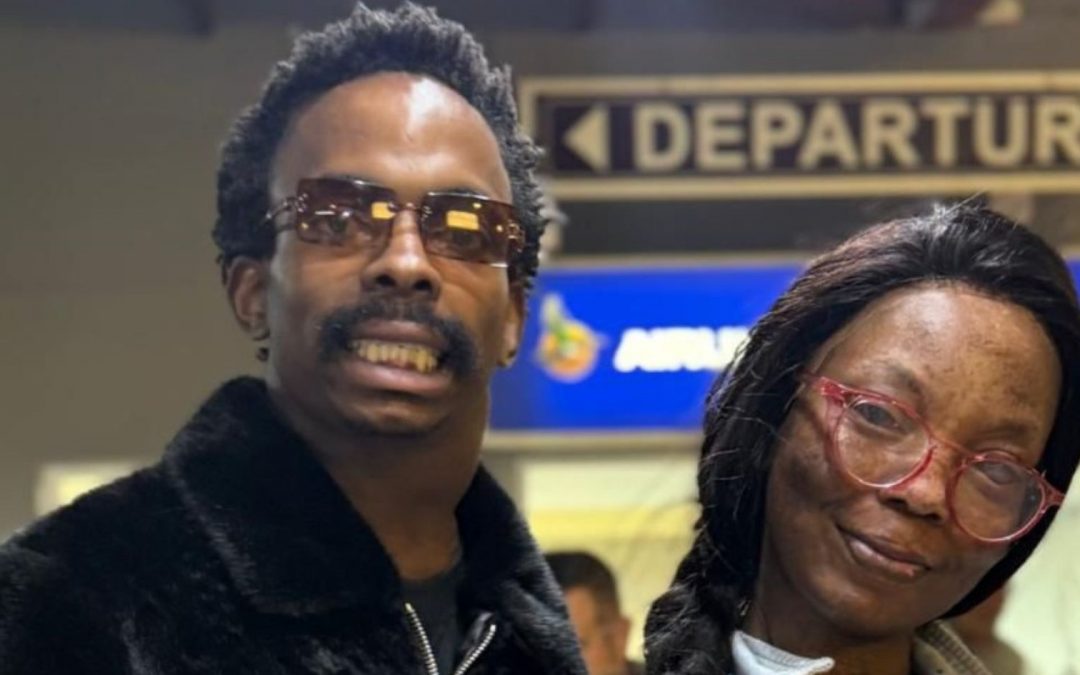
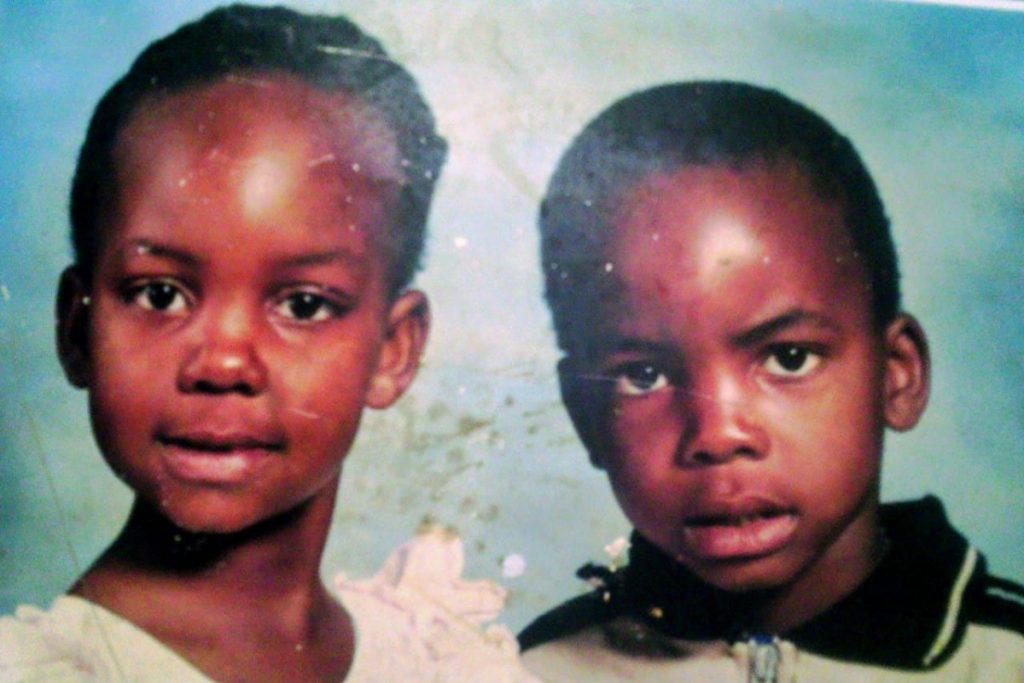
In just one year, KwaZulu Natal siblings Charity “Shaz” Gumede(31) and her brother Sabelo “Sabz” (30) have faced two life-threatening diagnoses. Shaz survived a near-fatal case of Stevens-Johnson Syndrome in 2024, and Sabz was diagnosed with Stage 3 Choriocarcinoma in 2025. With their mother leaving her job to care for both children full-time, the Gumede family medical crowdfunding campaign has been launched on BackaBuddy to help appeal to cover mounting medical costs and keep their household afloat.
Despite the fear and financial strain, the siblings continue to meet each challenge with a disarming mix of courage, humour and hope — determined to turn their darkest year into a story of survival, family, and quiet resilience.
Two Siblings, Two Rare Diagnoses and One Remarkable Bond
Despite experiencing two extremely rare medical crises within months of each other, the Gumede siblings have chosen a path defined not by fear, but by connection. Their home remains a place of warmth, laughter and mutual support — a testament to their deep bond as they navigate uncertainty together.
“We’ve been through a lot, yes,” says Shaz, “but we’re choosing to focus on the fact that we’re still here. We’re still laughing. We’re still us.”
“This year didn’t go according to plan,” adds her brother, “but we’re trying to meet it with as much heart as we can.”
Shaz’s Story: A 1% Chance at Life, and a Return to Herself
When beautician Shaz developed Stevens-Johnson Syndrome in 2024, doctors made it clear that survival was unlikely. The rare and catastrophic allergic reaction burned 75% of her skin, attacked her lungs and organs, destroyed her nails and hair, and left her blind.
She spent eight weeks in a coma while her mother, Nombuso, left her job and sat by her bedside every single day, praying, tending to her wounds and refusing to leave her child alone.
“When I woke up, I couldn’t walk, I couldn’t see, and I had no memory of what happened,” Shaz shares. “It felt like being born into a nightmare… but being alive at all was a miracle.”
Today, she lives with partial sight — about 5% vision in one eye and roughly 35% in the other. Her skin remains fragile, her nails never grew back, and her respiratory and digestive systems were permanently affected. Despite this, Shaz speaks about her recovery with gratitude and gentleness, not grief.
“I survived,” she says simply. “And that’s something worth celebrating.”
As part of rebuilding her physical wellbeing, she now requires medically essential procedures to restore her nails and teeth, along with lifelong specialised dermatological treatment to support her skin and comfort. These treatments form part of what will help her feel whole again.
Sabz’s Story: A Young Actor Confronts Cancer With Grace
Just as the family was adjusting to Shaz’s new needs, her brother began noticing unusual symptoms. After months of tests and consultations, he was diagnosed with Stage 3 Choriocarcinoma, a rare and aggressive germ-cell cancer.
His first chemotherapy protocol initially brought hope, but soon stopped responding. He has since begun a more intensive treatment plan that brings both physical strain and financial pressure. As an actor, his diagnosis adds another layer of challenge, as the visible effects of the tumour and the side effects of treatment have halted his ability to work.
“There are hard days, of course,” he says. “But I watched my sister face something unimaginable, and she showed me what fighting looks like. So now it’s my turn to fight.”
The ongoing co-payments for his treatment continue to rise, and his future healthcare needs remain open-ended.
A Mother’s Steadfast Love
At the heart of the family is their mother, Nombuso, who has shown quiet strength in every chapter. She left her job the moment her daughter fell ill, and months later found herself travelling again to support her son through cancer treatment. She manages medication schedules, hospital visits and emotional care with unwavering calm.
“She’s our hero,” says Shaz. “She’s the strongest person we know,” adds Sabz.
Her constant presence has been the family’s anchor, but it has also meant that, for many months, the household has had a limited source of income.
Why the Family Needs Help
The Gumede family is now trying to balance two rare medical conditions, ongoing hospital visits, reconstruction needs, co-payments and everyday living costs without any income. Their medical aid has supported them as far as possible, but shortfalls, specialised treatments and the realities of day-to-day life have created financial pressure beyond what any family could manage alone.
To keep the siblings’ medical journeys on track and maintain stability at home, the family has launched a verified BackaBuddy campaign with a goal of R800,000. So far, 260 donors have contributed more than R52,000, sending not only financial support but messages of kindness and encouragement that the family treasures dearly.
“We’re incredibly grateful,” says Shaz. “Each donation, even R20, feels like someone saying: Keep going.”
“This support reminds us that South Africa still cares,” adds her brother. “And that’s something we’ll never forget.”
“We’re scared sometimes,” says Sabz, “but we’re showing up for each other every day. That’s what keeps us going.”
When the phone rings at SADAG’s Crisis Helpline, counsellors never know who’s on the other end, only that it might be someone’s last attempt to hold on.
Sometimes there’s a voice. Sometimes there’s just silence, a pause, a shaky breath, a quiet cry.
And then, softly: “I don’t know who else to talk to.”
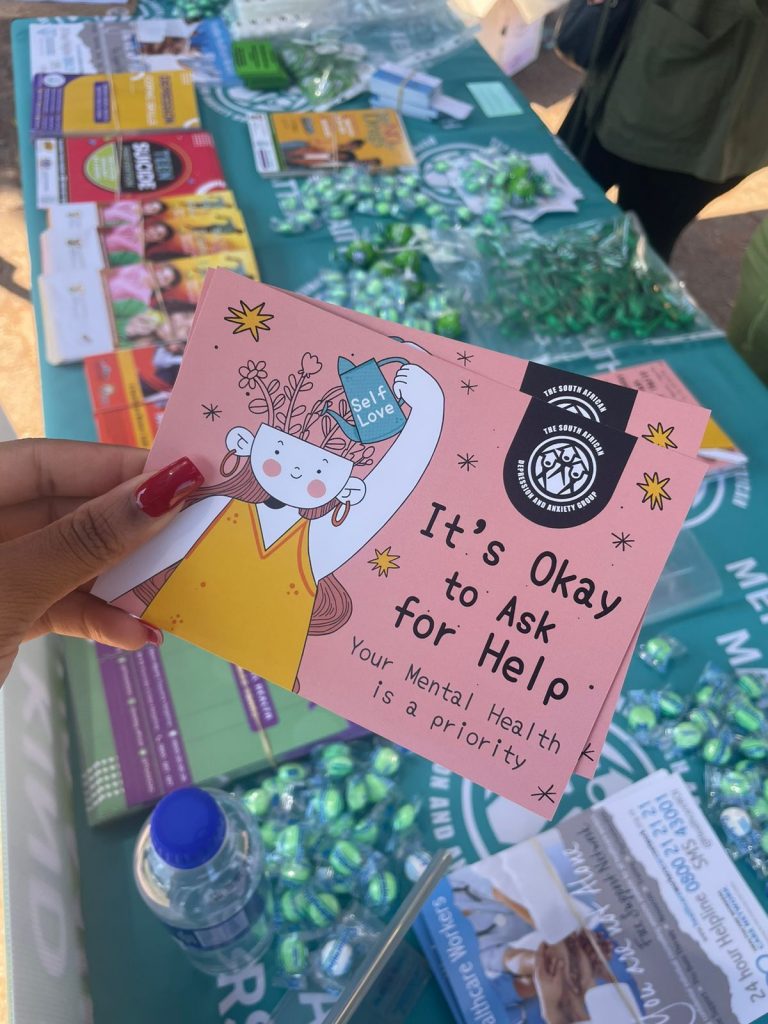
For 31 years, the South African Depression and Anxiety Group (SADAG) has been answering that silence. It’s South Africa’s leading mental health organisation, and the only one running 24-hour suicide helplines, every single day of the year.
Now, during Men’s Mental Health Awareness Month, SADAG is asking South Africans to help them keep those lines open with their campaign, “Answer The Call for Help.”
Every Call Is a Story
Each day, SADAG counsellors answer over 2,500 calls, and one in four is suicide-related. Behind every number is a person in pain, searching for a reason to stay.
“When someone finally speaks, you can feel the weight in their voice,” says a SADAG Call Centre Manager, Tracy Feinstein. “There’s fear, shame, exhaustion… but also a flicker of relief. That’s when we tell them, ‘You’ve done the right thing by calling. You’re not alone.’”
Those words, simple, human, steady, can be the difference between despair and hope. Sometimes, they are the first words a caller has heard all week that sound like care.
“A Missed Call Can Mean a Missed Life”
What happens if no one answers?
“For many, that call is the moment they finally reach out. If no one picks up, that courage can turn into hopelessness. A missed call can mean a missed life.”
That’s why SADAG is urgently raising R180,000 to cover its helpline operating costs for November — the month the world pauses to talk about suicide in men, but the calls never stop coming in.
“On average, it costs R50 to answer one call,” SADAG Development Manager, Fatima Seedat explains. “But that one call might save a father, a sister, a friend. Behind every answered call is training, empathy, and hours of emotional care.”
Why Men Stay Quiet
About half the calls SADAG receives are from men, and many of them say the same thing: “I don’t want my family to think I’m weak.”
Fatima shares that, “Men in South Africa are raised to fix everything but themselves. They’re told not to cry, not to talk, not to break. So when they do finally reach out, they’re terrified.”
That’s why SADAG focuses on making that first call safe. “We remind them that reaching out isn’t weakness, it’s courage,” she says. “The moment they speak, the silence breaks, and healing begins.”
“You Just Saved My Life”
For SADAG’s counsellors, there are moments that never leave them. “After an hour of listening, someone will sometimes whisper, ‘You just saved my life.’”
“It’s the most humbling thing. Because that’s what this work is, listening. Not fixing, not preaching. Just being there when it matters most.”, says Fatima.
A Country Finding Its Voice
In the early 2000s, mental health was barely discussed in South Africa. Now, thanks to decades of advocacy, the conversation is growing louder.
“Before COVID, we received around 800 calls a day,” Fatima says. “Now it’s more than 2,500. People are talking, which means the stigma is breaking.”
But access to care is still scarce. “We’ve made progress, but we need more hands, more hearts, more funding. That’s why this campaign matters so much.”
“If Every South African Gave R50…”
Every call costs roughly R50 to answer — the price of a cup of coffee. “If every South African gave just R50, we could answer thousands more calls,” Fatima says. “Imagine that — thousands of people finding someone who says, ‘How can I support you?.’”
To make that vision a reality, SADAG has launched a BackaBuddy crowdfunding campaign to raise R180,000, the amount needed to keep its Suicide Crisis Helplines open throughout the month.
So far, 23 compassionate supporters have already contributed over R12 000, helping SADAG get closer to its goal. Each donation — no matter the size — keeps a counsellor on the line and ensures that when a call for help comes in, it never goes unanswered.
Because that’s what SADAG has been doing for 31 years: reminding South Africans that no one should ever face silence alone.
Join the movement by donating to SADAG on BackaBuddy: