by Tessa Van Rensberg | May 5, 2026 | Impact Updates
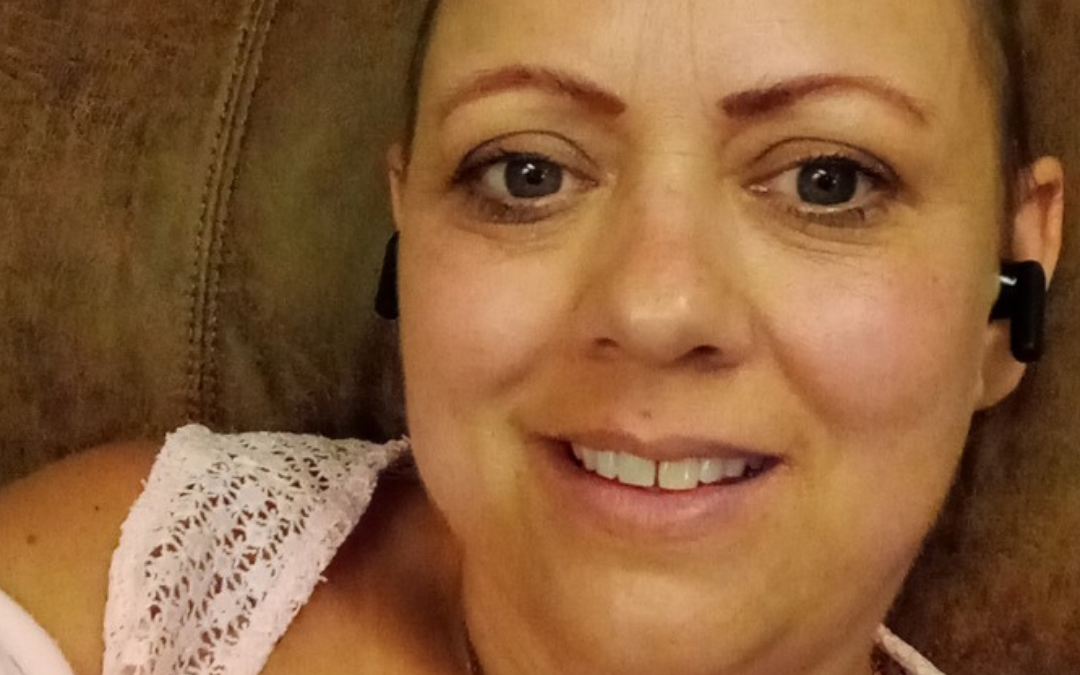
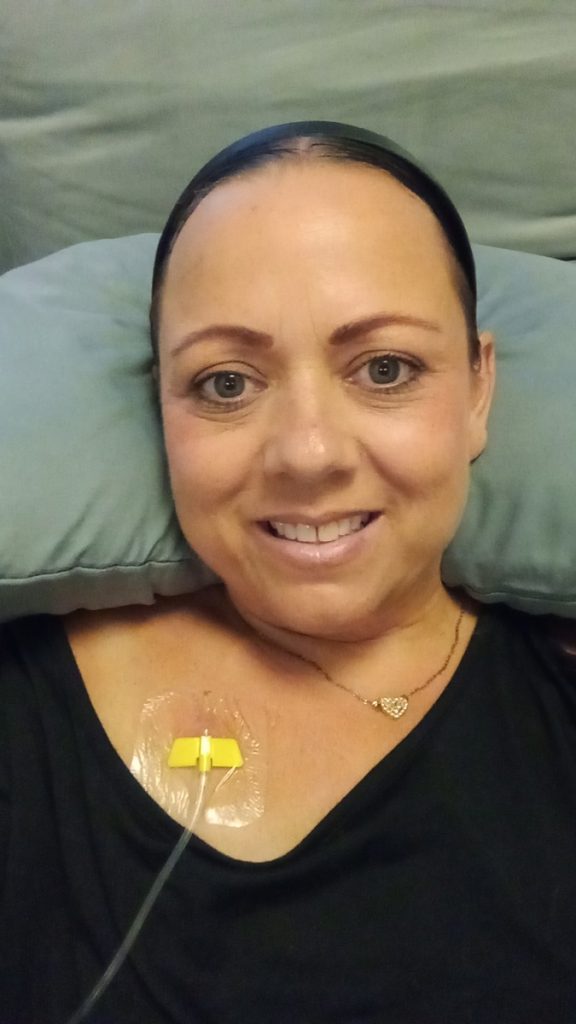
The Candice vs Cancer crowdfunding campaign has become a powerful example of how people can come together in support of someone facing an incredibly difficult health journey. Candice Labuschagne, a Cape Town resident, has been living with inflammatory breast cancer since July 2023, a rare and aggressive form of the disease. Over time, her story has resonated with many, and through her BackaBuddy campaign, 49 donors helped her surpass her R40 000 goal, raising over R54 000 to support her ongoing treatment and medical expenses.
If you’re facing a similar challenge, you can start a crowdfunding campaign on BackaBuddy here.
A Long and Demanding Medical Journey
Candice’s journey has not been straightforward. Since her diagnosis, she has undergone multiple forms of treatment, including five different chemotherapy regimens, repeated radiation sessions, and several major surgeries, including a double mastectomy.
Alongside this, she has endured frequent hospital stays, blood transfusions, scans, and ongoing medical procedures. In 2025, her situation became even more complex when the cancer spread to her stomach lining. A large tumour was discovered, requiring stronger chemotherapy and urgent medical intervention. Through it all, Candice continued working for as long as she could, only stepping back in October 2025 as her health demands increased.
When Medical Aid Isn’t Enough
Even with medical aid, the reality many patients face is that not all treatments, medications, or procedures are fully covered. For Candice, this meant mounting out-of-pocket costs, from hospital bills and scans to medication and ongoing weekly chemotherapy treatments. The financial strain became overwhelming.
“I am a proud person, and asking for help hasn’t been easy,” she shared in her campaign. “But I feel I have no other option.”
Her goal was simple and practical, to cover overdue medical expenses and help fund the next phase of her treatment until her oncology benefits reset.
49 People, One Shared Purpose
What followed is something we see time and time again on BackaBuddy: people showing up. Friends, family, and even strangers contributed what they could. Some gave once, others shared her story, helping it reach more people. Together, 49 donors raised over R54 000, exceeding her goal.
That support has helped ease the immediate financial pressure, allowing Candice to focus more fully on her health and treatment. This is what crowdfunding looks like at its best: small acts of kindness adding up to something that genuinely changes someone’s day-to-day reality.
The Real Impact Behind the Numbers
Reaching and surpassing her goal means more than just covering costs. It means:
- Fewer delays in accessing treatment
- Less stress about unpaid medical bills
- The ability to continue necessary chemotherapy
- Space to focus on healing, not just surviving financially
For someone navigating a serious illness, that kind of relief matters deeply. It allows energy to be directed where it’s needed most.
Why Stories Like Candice’s Matter
Candice’s campaign reflects something bigger than a single fundraising effort. It highlights how many people are quietly facing similar challenges, managing illness while trying to keep up with financial demands that often feel out of reach. It also shows how powerful it can be when people come together, even in small ways. No single donation carried the campaign; it was the collective effort that made the difference.
A Reminder of What’s Possible
Candice’s journey is ongoing, but this milestone is a meaningful one. It’s a reminder that asking for help, while difficult, can open the door for others to step in with compassion and generosity. And it shows that people are willing to support when they understand the need.
To follow Candice’s journey or learn more about her story, visit her BackaBuddy campaign here. If you’re unable to donate, sharing her story can still make a difference.
Launch your own crowdfunding campaign on BackaBuddy
After reading Candice’s story, you might know someone facing medical costs, education needs, or a difficult life moment. BackaBuddy has helped raise over R630 million for causes across South Africa, connecting people who need help with those who want to give.
by Tessa Van Rensberg | Apr 23, 2026 | Press Release
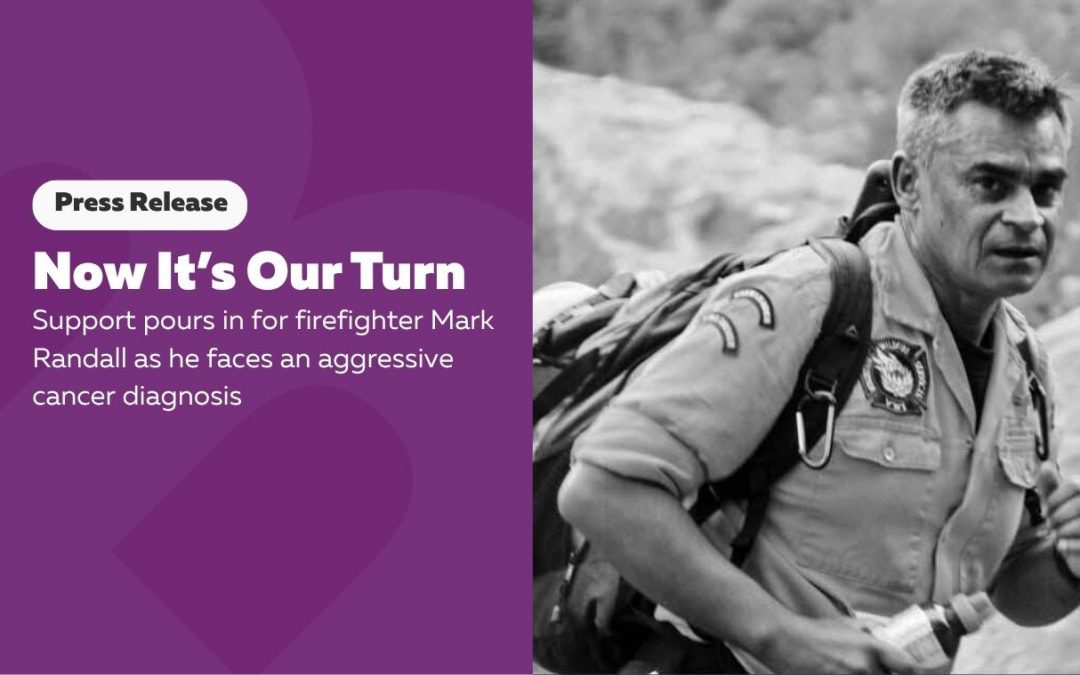
Cape Town, Western Cape — A Cape Town firefighter who spent decades protecting lives, homes, and the environment is now receiving an outpouring of support from the very community he has long served, after being diagnosed with cancer.
Mark Randall (63), a father of three and long-serving member of Volunteer Wildfire Services, has been diagnosed with prostate cancer that has spread beyond the prostate.
A Life of Showing Up for Others
Known for his unwavering commitment to others, Mark has spent years being the person people could rely on without hesitation.
“There are some people in life who simply show up, no questions asked. Mark is one of those rare people,” his family shared.
Whether helping friends, mentoring fellow firefighters, or supporting those in need, Mark has consistently given of himself without expecting anything in return.
A Firefighter and Mentor
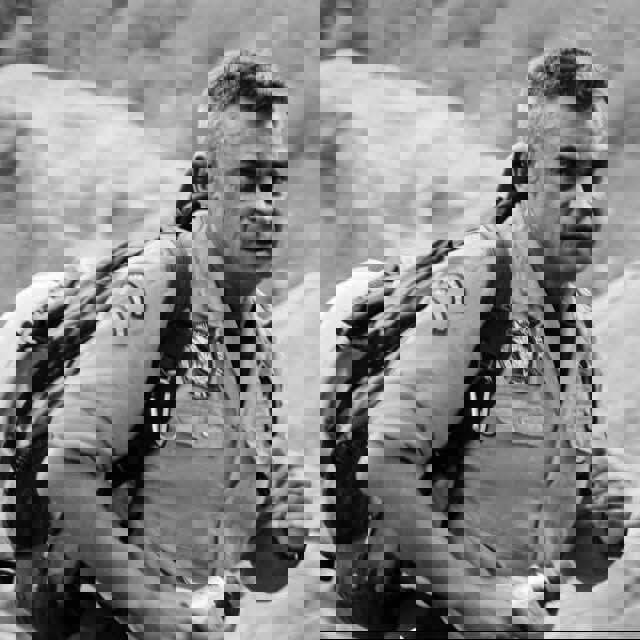
Mark dedicated more than 20 years to Volunteer Wildfire Services, serving as a crew leader before continuing as a driver after sustaining an injury.
“This is not just a hobby for my dad, from the start the VWS became an important part of his life. My dad gives so much of his time, his sleep and his safety to help and keep the people of the Western Cape safe. The VWS is a really strong unit and they have become like a second family to my dad. He will do anything for them, and they will do anything for him.”
He remained deeply involved, mentoring others and standing by his team through difficult moments.
“He is the one people turn to for advice, for a listening ear, and for a shoulder to cry on,” his daughter said.
A Sudden Diagnosis
What began as minor health concerns quickly escalated into a life-changing diagnosis.
“What we hoped would be a simple procedure turned into life-changing news,” his daughter shared.
Mark is currently receiving treatment at a state hospital and still requires further tests to determine the full extent of the disease and his treatment plan.
“I am a bit in disbelief because the doctors have not given a complete diagnosis or a treatment plan. All we know is what they have told my dad. It’s cancer. It’s aggressive.”
A Community Steps In
In just a few days, the campaign has gained strong momentum, raising over R135,000 through the support of 131 donors, bringing the family close to their R150,000 goal.
Messages of support have poured in from those whose lives Mark has touched.
“Nobody shows up more than Mark. We’re behind you,” one supporter shared.
Another added, “Now it is our turn to care.”
“The support has been incredible. Just seeing how much my dad means to so many people is amazing.”
A Man Who Finds It Hard to Ask for Help
Despite the overwhelming support, Mark has struggled to accept help.
“Mark is not someone who asks for help. He gives selflessly, always from the heart,” his daughter said.
“My dad has always been young at heart, so physically I don’t think he believes that his body is almost turning 63. As for his emotional state, my dad always stays positive and is ready to take on the next challenge, like he says, ‘this is just another fire for him to fight.’”
Every contribution helps ensure he can focus on healing, surrounded by the same care and compassion he has always shown others.
“As far as I know, my dad is carrying on as normal. He still goes to work, picks up his team, and spends time caring for his plants and wild birds when he gets home.”
A Family Facing the Unknown
“When kids grow up they are made to believe that their dads are heroes. My dad is an actual hero, helping countless people without wanting anything in return. The most difficult part is that something was able to actually touch him, and not get all the necessary information to form a plan to help him.”
“What will help most in the coming weeks is more information on his current condition from his doctors so that we can plan and support my dad correctly.”
“We are so grateful. The support from all around means so much and it fills my heart with hope and gratitude.”
If you are unable to donate, sharing his story can help reach others who can.
To support Mark Randall, visit his BackaBuddy campaign page:
https://www.backabuddy.co.za/campaign/the-legend
by Tessa Van Rensberg | Apr 23, 2026 | Impact Updates
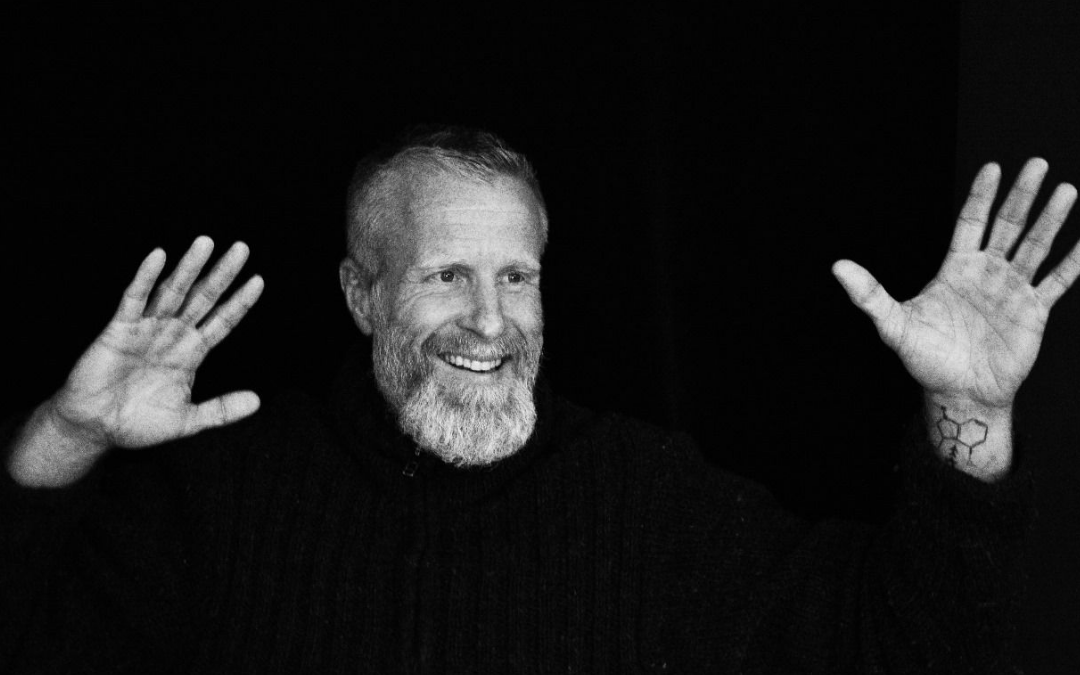
During the weeks following Tom Skye’s passing, something quiet and powerful has unfolded in Gqeberha, in the Eastern Cape. Through the HoHo Project‘s BackaBuddy campaign, a community has come together to honour a man who spent a large portion of his life trying to help others.
Over 23 days, a crowdfunding campaign started for Tom has raised R92 860, over taking its R70 000 goal, with support from 52 donors who wanted to stand alongside his family during a difficult time.
A Life That Chose to Pay it Forward
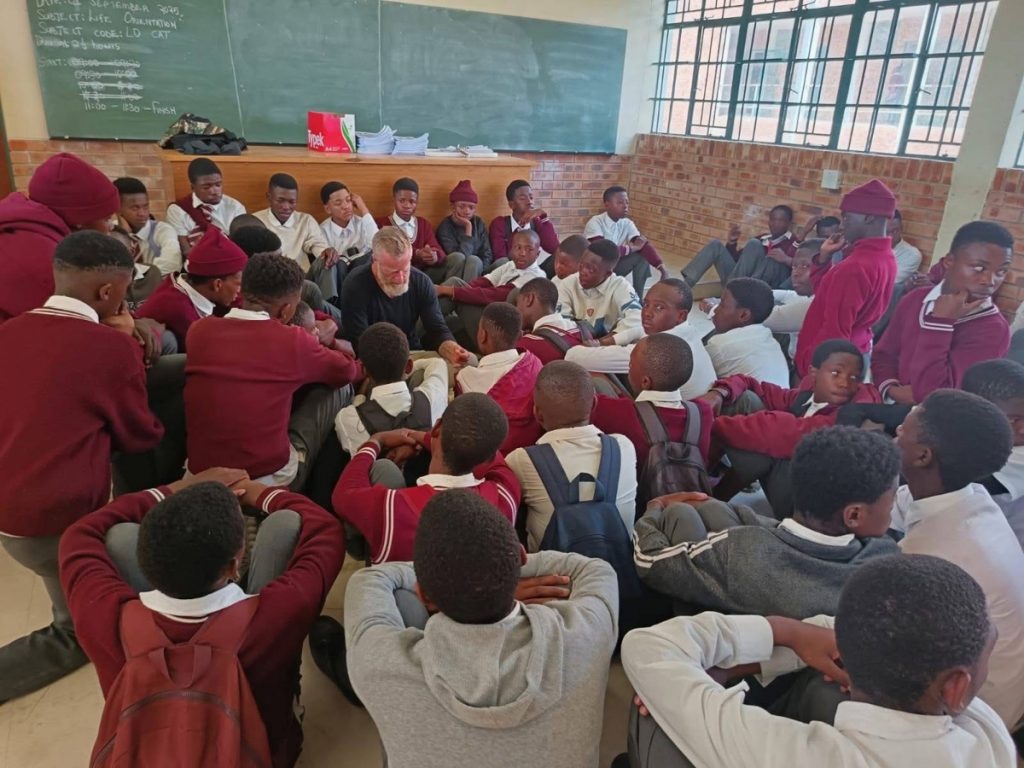
Tom Skye wasn’t defined by a simple story. He lived through addiction. He faced personal struggles that many around him never saw. But he also made a conscious decision, again and again, to try a different path. One of the most visible ways he did this was through walking. Over time, Tom walked more than 1 000 kilometres to raise awareness around addiction and mental health. And he kept going, not as a once-off challenge, but as something he returned to, almost daily.
Through the HoHo Project, he carried a message that stayed simple:
“One Love. We are all the same. We are all family.”
Tom was driven by a need to show up, connect people, and help where he could.
Holding a Place for Complexity
Tom’s story, like many, held both light and weight. While he gave back to others, he was still navigating his own trauma. Those close to him knew that his journey wasn’t easy. He was also preparing for something new, a baby on the way. A future that looked different. A chance to begin again. His passing has left a deep gap for those who knew and loved him.
A Community Responds
Since the campaign launched, messages have come through that reflect just how many lives Tom touched, often in ways that stayed with people over time.
“RIP Tommy 🪽🌿 You are and will continue to be sorely missed 🌿🤍🌿”
“RIP brother. It was great to connect again after all these years. One 💚”
“Tommy, thank you for the great memories growing up! You were and are a legend.”
“RIP bugger.”
Short messages. Honest ones. The kind people leave when words don’t fully cover what they feel. Some donations came from close friends. Others from people reconnecting after years. Some simply from those moved by his story and the impact he had on so many.
More Than a Crowdfunding Campaign
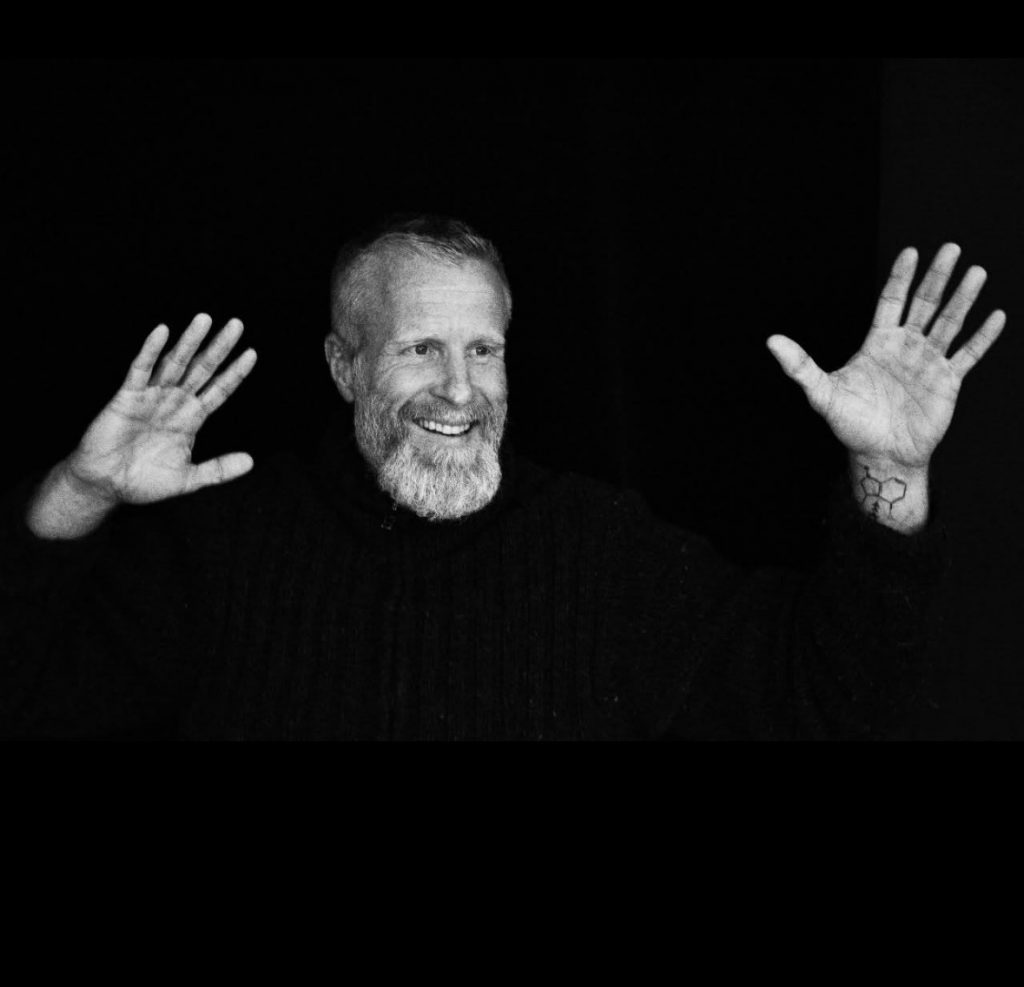
The funds raised will help cover Tom’s funeral costs and support his child on the way. But beyond the practical support, the campaign has become something else too.
A way for people to acknowledge his life.
A way to show compassion.
A way to stand with his family when it matters most.
The Spirit of the HoHo Project
The HoHo Project was built on connection. On the idea that people can show up for one another, even in small ways. That kindness doesn’t have to be structured to be meaningful. That same spirit is visible in how people have responded to Tom’s campaign. Not through one large gesture, but through many small ones, coming together to create something bigger.
Continuing What He Started
While Tom is no longer here, the message he shared still carries.
Connection matters.
Kindness matters.
Showing up for others matters.
For those who would like to support his family or learn more about the HoHo Project, the campaign remains open.
Support the HoHo Project campaign here.
Would you like to start your own crowdfunding campaign on BackaBuddy?
When people come together, even difficult moments can be carried differently. BackaBuddy has helped thousands of South Africans raise funds for causes that matter, from medical support to in-loving-memory campaigns and community initiatives.
by Tessa Van Rensberg | Apr 14, 2026 | Press Release
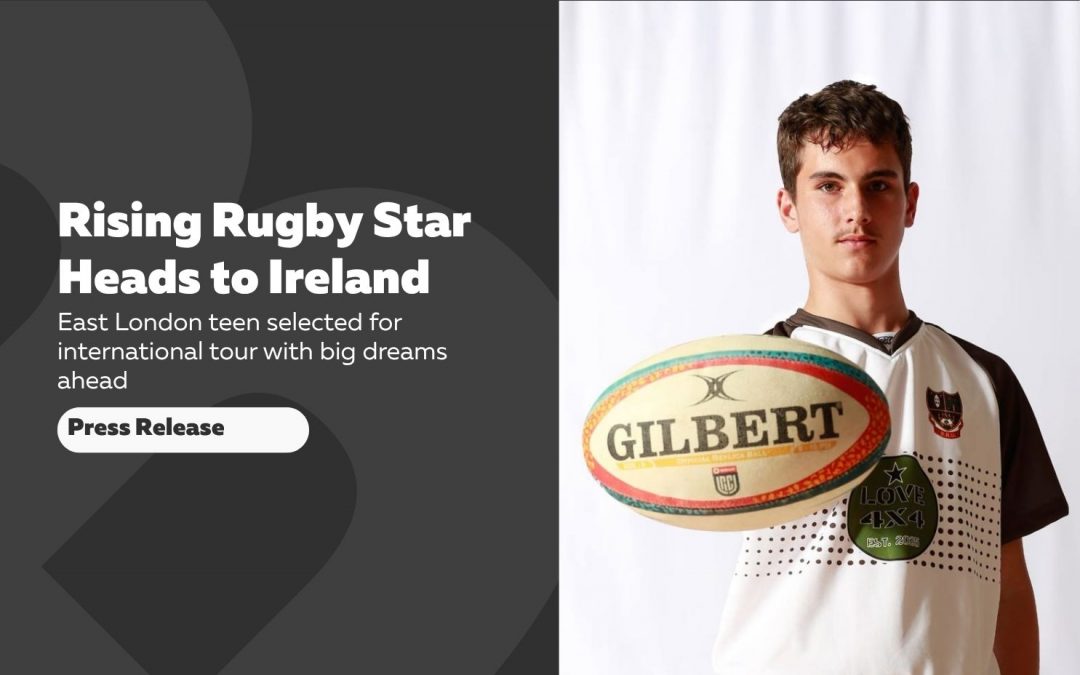
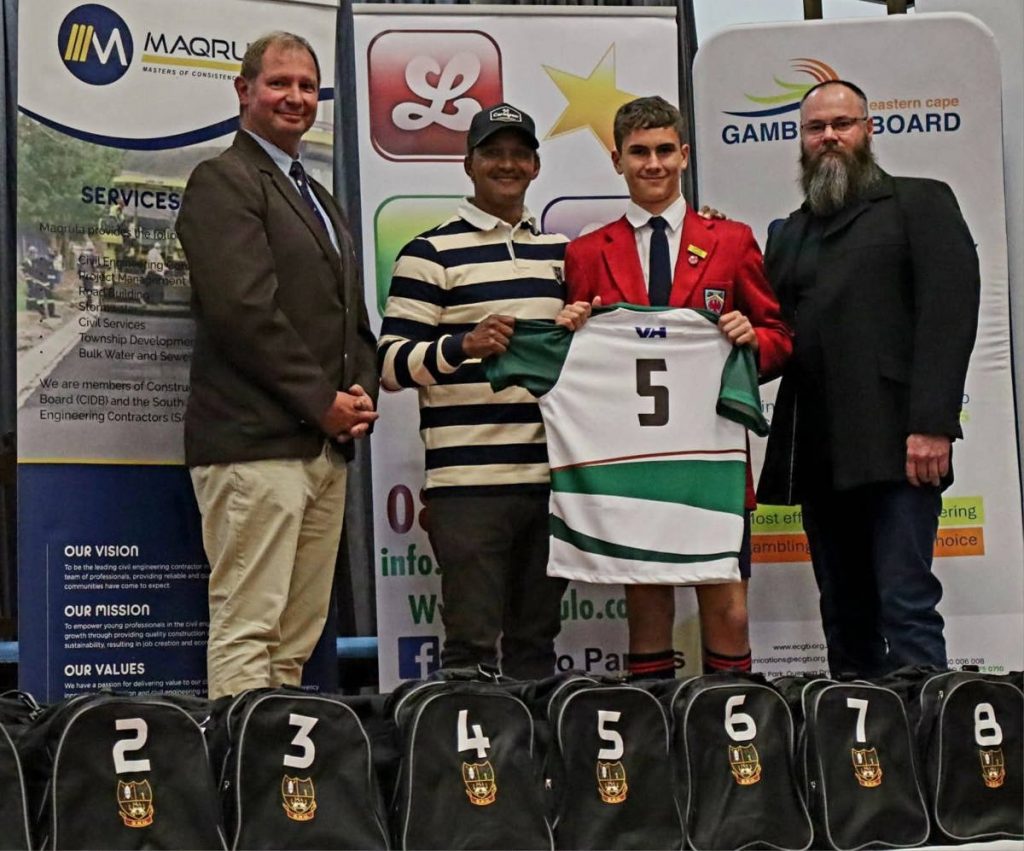
East London, Eastern Cape, Carter Claasen (14), a talented young rugby player from East London, has been selected to represent the BRSI Bulldogs on an international rugby development tour to Ireland in December 2026, a major milestone in his rapidly growing rugby career.
A Rising Talent from East London
Carter’s journey is built on discipline, consistency, and a deep passion for the game.
He has already represented Border at U13 level, competed at the prestigious Craven Week tournament, and earned a rugby scholarship to Hudson Park High School, achievements that place him among the country’s promising young players.
A Rare International Opportunity
The Ireland tour offers Carter the chance to compete, train, and grow in an international rugby environment, an opportunity few young athletes get at his age.
“I’m most excited about representing my team internationally, experiencing a new country, and growing both as a player and as a young man,” Carter says.
More Than a Tour
For Carter and his family, this opportunity represents more than just rugby.
It is a chance to gain exposure, build confidence, and take a meaningful step toward a potential future in the sport.
“As a parent, I am incredibly proud of Carter,” his father says. “This opportunity means so much to him, and we are grateful for the support he has received so far.”
A Community Supporting Potential
Carter’s journey has already been supported by friends, family, and members of the community who believe in his future.
“The support has been overwhelming and truly humbling,” his family shares. “It shows how people can come together to uplift a young athlete’s dream.”
The Road to Ireland
While Carter has secured his place on the tour, the cost of the experience remains a challenge.
The total cost of the tour is approximately R70,000, covering travel, accommodation, and tournament participation.
“If the full amount is not raised, we will continue to do everything we can to make a plan,” his family says. “This opportunity means everything to Carter.”
How the Public Can Help
As Carter prepares for this once-in-a-lifetime opportunity, support from the public can help make the journey possible.
“I just want to say thank you to everyone who has supported me,” Carter says. “It really means a lot to me and motivates me to keep working hard.”
Support Carter at his BackaBuddy link here:
https://www.backabuddy.co.za/campaign/carter-claasens-rugby-journey-to-ireland
by Tessa Van Rensberg | Apr 14, 2026 | Press Release
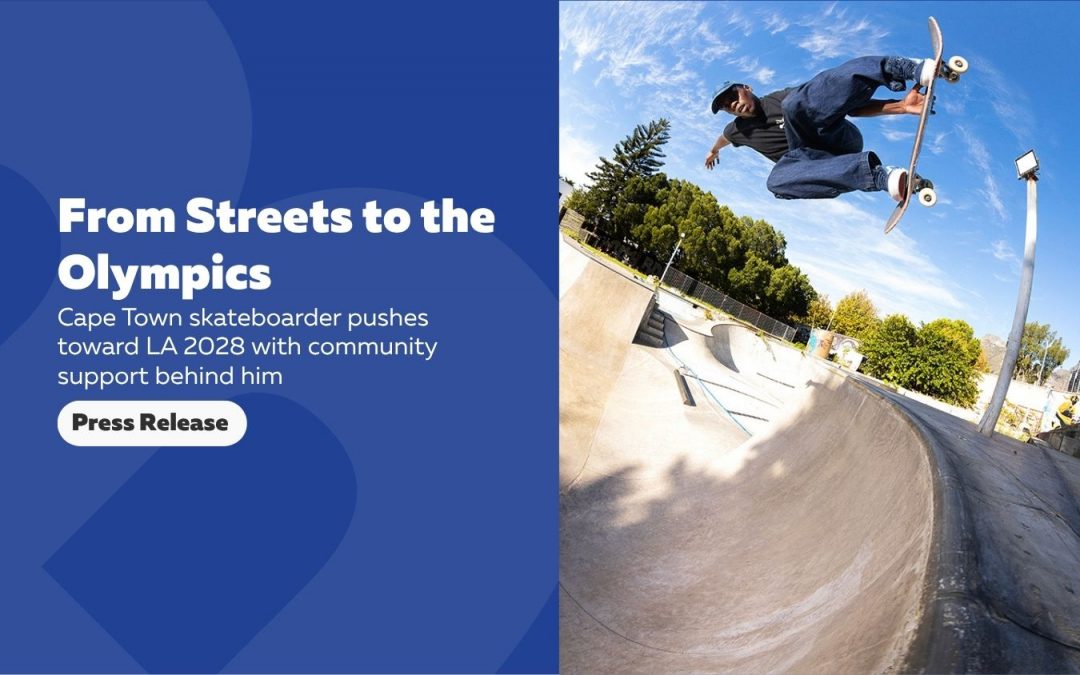
Cape Town, Western Cape, Thalente Biyela (32), a skateboarder based in Paarden Eiland, Cape Town, is chasing a life-changing dream to represent South Africa at the LA 2028 Olympic Games, after a journey that began as an escape from a difficult upbringing.
With 66% of his R130,000 goal already raised, Thalente is now in the final stretch of securing the funding needed to compete in critical international qualifying events that could define his Olympic future.
A Journey Born from Survival
Thalente’s story is one of resilience, transformation, and purpose.
“My journey into skateboarding began as an escape from a tough and turbulent life on the streets,” he says. “What started as survival soon became purpose.”
Introduced to skateboarding at just 9-years-old, what began as a pastime quickly became a lifeline.
“Being on a board gave me a sense of freedom and purpose… something I’ll forever be appreciative of,” he shares.
Overcoming the Odds
Growing up, opportunities were not always easy to come by.
“There have been quite a few challenges from limited access to proper skate parks and equipment to financial constraints when it comes to travelling and competing,” he explains.
Despite this, he remained determined.
“It took a lot of perseverance and belief in myself to keep going… and I’ve been fortunate to have incredible people by my side through it all.”
From Local Talent to Global Competitor
Today, Thalente has already competed on international stages, including Tampa Am, one of the most respected competitions in global skateboarding.
“Representing South Africa on international stages has definitely been one of my proudest achievements,” he says.
He is now preparing for key Olympic qualifiers in Rome and Paraguay.
“These competitions are not just events, they are stepping stones to the Olympics,” he explains.
More Than a Dream, A Mission
For Thalente, the journey extends far beyond personal ambition.
Through The Shred Skate School, he mentors young skateboarders in his community.
“Giving back is not optional, it’s a responsibility,” he says. “I want to create opportunities for others the same way skateboarding created opportunities for me.”
The Cost of Chasing Greatness
Despite support from major skate brands, competing internationally remains costly.
“There are quite a lot of costs: flights, accommodation, visas, competition fees… it adds up quickly,” he says.
With over R85 000 already raised, the campaign is now focused on closing the remaining gap needed to continue his journey.
A Dream Within Reach
For Thalente, representing South Africa at the Olympics would be deeply meaningful.
“It would mean everything. Coming from where I come from, it’s about showing other young people that it’s possible, no matter your background,” he says.
“Reaching LA 2028 would be a dream come true… a moment of pride for my community and everyone who has supported me along the way.”
How the Public Can Help
As he moves closer to his Olympic goal, Thalente is calling on the public for support.
“I just want to say thank you. Your support means everything to me,” he says.
“I’m doing this not only for myself but for all the young people who look up to this journey. Keep believing, keep pushing — anything is possible.”
To support Thalente, visit his BackaBuddy campaign link here:
https://www.backabuddy.co.za/campaign/get-thalente-to-la2028-olympic-games