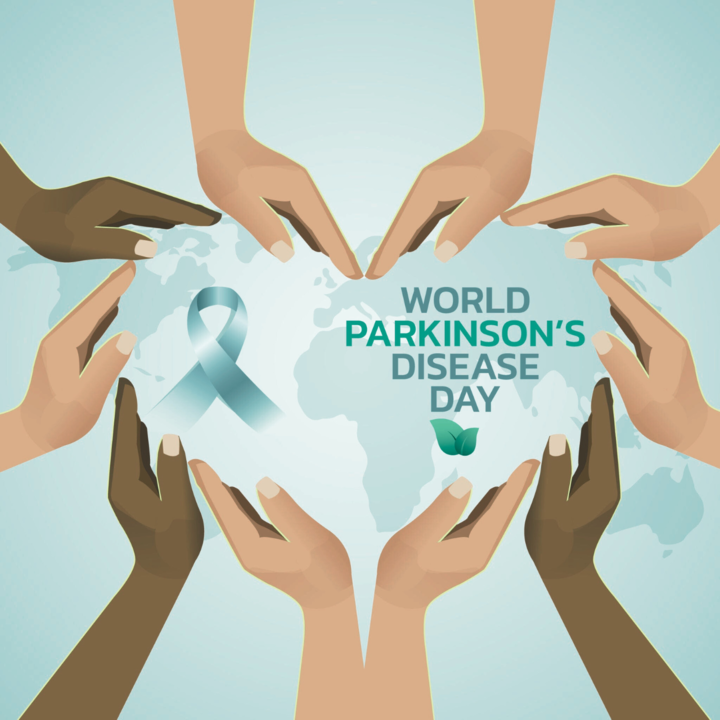
Every year on the last day of February, the world observes Rare Disease Day, a global initiative aimed at raising awareness about rare diseases and the challenges faced by those affected. In South Africa, this day serves as a poignant reminder of the importance of early diagnosis, research, and community support for individuals battling rare conditions.
Supporting the Community
With BackaBuddy being a platform to raise and support people living or battling rare diseases, many crowdfunding campaigns are actively supporting individuals facing rare diseases. Here are some campaigns that are currently raising funds:
Zeeya’s Battle Against Rare Disease
16-month-old Zeeya Moodley from Port Elizabeth is bravely battling an aggressive form of Meningococcal disease. Despite his young age, Zeeya shows incredible strength as he fights this rare, life-threatening condition. His community has come together, offering support and donations to help his family through this difficult time. The funds raised are being used for his medical treatments, hospital stays, and ongoing care.
Zeeya’s journey is a testament to resilience, and with your help, he can continue to fight.
7-year-old Joshua Louwrens’ battle with an aggressive form of cancer, Non-Hodgkin Lymphoma (NHL), has united many in the community to provide financial assistance for his treatment. The funds raised will go towards covering the cost of his chemotherapy, medical bills, and other essential treatments required for his recovery.
Kyle Skidmore’s (29) struggle with a rare genetic disorder has prompted his grandparents to start a crowdfunding campaign for his treatment. The funds raised will help cover the costs of specialized treatment, therapy, and medical interventions that are essential for improving Kyle’s health.
These campaigns not only provide financial relief but also foster a sense of community and shared responsibility.
Where to Seek Help in South Africa
If you or someone you know are dealing with a rare disease, here’s where you can find help and resources through a number of organizations dedicated to rare diseases:
Rare Diseases South Africa (RDSA): This organization provides support, advocacy, and information for individuals affected by rare diseases. They work to raise awareness, improve access to healthcare, and provide guidance on navigating the complexities of rare disease diagnoses and treatments. (Visit: www.rarediseases.co.za)
The South African Rare Disease Society (SARDS): Another key resource in South Africa, SARDS focuses on advocacy and community support for patients with rare conditions. They work on policies to improve care and increase research for rare diseases in South Africa. (Visit: www.sards.org.za)
The Department of Health: The South African government offers various resources through the Department of Health, which is involved in the coordination of healthcare services for rare disease patients. (Visit: www.health.gov.za)
The South African Human Genetics Society (SAHGS): This organization provides resources and support for genetic conditions, which are often at the heart of many rare diseases. They offer guidance on genetic testing and counseling. (Visit: www.sahgs.org.za)
By raising awareness, supporting ongoing research, and contributing to crowdfunding efforts, we can make a significant difference in the lives of those affected. Start a campaign on BackaBuddy to raise funds for your medical needs and help others facing similar challenges get the support they need.
Emergencies can happen when we least expect them, and knowing who to call can be lifesaving. Whether it’s a medical crisis, safety concern, or emotional distress, having the right numbers at hand can make all the difference.
Here’s a comprehensive list of South African emergency hotlines, apps, community groups, and organisations, updated with the latest information.
National Emergency Numbers
National Emergency Line (Ambulance, Fire, Police): 112 (from any mobile)
mySOS (Emergency App):mysos.co.za – GPS-linked support for medical, security, and roadside emergencies
Community Policing Forums (CPFs): Check your local CPF group on Facebook for area-specific safety updates
When You Need Crowdfunding Support
In addition to emergency services, sometimes a crisis requires financial assistance for medical bills, disaster relief, or emotional support resources.BackaBuddy offers a trusted crowdfunding platform where you can create a campaign to raise funds quickly and safely from your community. Whether you’re seeking help or want to contribute to someone in need, crowdfunding can make a meaningful difference.
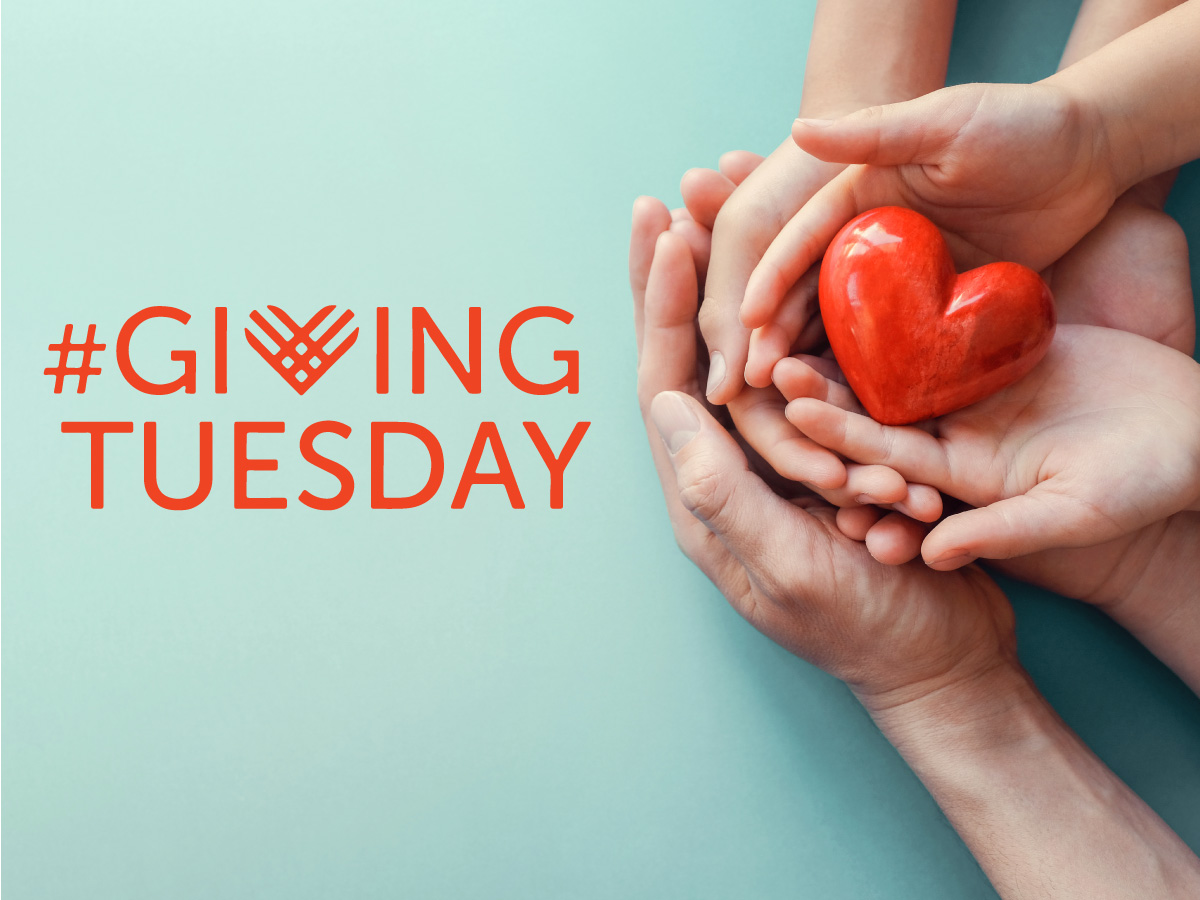
After the excitement of Black Friday and Cyber Monday, #GivingTuesday emerges as a powerful reminder of the season’s true spirit—generosity.
On December 3, 2024, millions of people around the world will unite to celebrate this global movement of giving.
GivingTuesdaySA Video:
This powerful global phenomenon leverages social media and collaboration to inspire individuals and non-profits to engage with their communities, fostering meaningful social change. Sne Vilakazi, the Lead for GivingTuesday South Africa, emphasizes the importance of acknowledging everyday heroes who contribute to making their communities better.
“GivingTuesday provides a remarkable opportunity to encourage and celebrate our everyday heroes who do their bit to make their communities a better place. In a time when it seems like hope is getting lost because of the challenges we face as a country, it’s refreshing and inspiring to see ordinary people raising their hands to be counted as people who contribute to making a difference.” – Sne Vilakazi, GivingTuesday South Africa Lead
Launched in 2012, GivingTuesday began as a simple idea: to create a day dedicated to doing good. Over the years, it has evolved into a global phenomenon that motivates millions to give, collaborate, and celebrate generosity. Asha Curran, CEO, and co-founder of GivingTuesday, underscores the impact of this movement, stating that it inspires people worldwide to drive progress around causes they care about throughout the year.
“GivingTuesday inspires people all around the world to embrace their power to drive progress around the causes they care about, not just on one day but throughout the year.” – Asha Curran, GivingTuesday’s CEO, and co-founder
Image: Charity
BackaBuddy’s December Gift: 0% Platform Fees – Launch Your Campaign This Giving Season
Last year, we’ve been inspired by the 16 million rands donors made to charities which made a real difference in 2023. To celebrate this generosity, we’re offering 0% platform fees for all new campaigns launched from 1 December to 31 December 2024. With only standard third-party payment gateway fees, every rand raised will have an even greater impact.
As #GivingTuesday on 3 December 2024 kicks off the giving season, we invite you to start a fundraiser for personal, medical, community, or charitable causes and make a meaningful difference this December.
Join BackaBuddy, South Africa’s largest donations-based crowdfunding platform, in celebrating #GivingTuesdaySA. Here’s how you can participate:
Donate to a Cause: Visit www.BackaBuddy.co.za and contribute to a cause that resonates with you.
Amplify on Social Media: Share crowdfunding campaigns on BackaBuddy’s social media pages and raise awareness for a cause you are passionate about. Use the hashtags #GivingTuesdaySA or #GivingTuesdaySouthAfrica to join the conversation.
Non-Profits and Community Organizations are encouraged to register on BackaBuddy to raise funds for various needs. Benefit from BackaBuddy’s 0% platform fee for registered non-profit organizations, ensuring that more funds go directly to the causes you serve.
Create A Crowdfunding Campaign: Individuals are encouraged to create crowdfunding campaigns on #GivingTuesdaySA to support a charity they are passionate about.
GivingTuesday invites those interested in joining the movement to visit the GivingTuesday South Africa website or connect on social media via the Facebook page.
Whether you dedicate #GivingTuesday to helping a neighbour, a charity, volunteering your time, or donating funds to a good cause, every act of generosity counts!
Image: Let’s give back this #GivingTuesday
About GivingTuesday:
GivingTuesday is the global generosity movement dedicated to transforming communities and the world through radical generosity. Born in 2012, it has evolved into a global force inspiring hundreds of millions to give, collaborate, and celebrate generosity. GivingTuesday envisions a world where the catalytic power of generosity unlocks dignity, opportunity, and equity worldwide.
In South Africa, gender-based violence (GBV) remains a devastating reality, with one in three women experiencing physical or sexual violence in their lifetime and over 40% of children enduring abuse before they reach adulthood. Despite its prevalence, many cases remain unreported, leaving survivors without justice or support.
The 16 Days of Activism Against Gender-Based Violence, observed globally from 25 November to 10 December, is a crucial time to raise awareness, provide support, and foster meaningful change.
Here’s how you can better understand, engage, and take actionable steps to address violence against women and children.
Understanding Gender-Based Violence
Gender-Based Violence (GBV) refers to harm directed at individuals based on their gender. This includes physical, emotional, sexual, and economic abuse, often rooted in power imbalances and cultural norms that perpetuate inequality.
This year’s theme, UNITE! Activism to End Violence Against Women and Girls, highlights the collective responsibility to create safer and more equitable communities.
Understanding Myths About Abuse: Why We Must Avoid Victim-Blaming
Victim-blaming silences survivors and perpetuates harmful stereotypes. Common myths to challenge include:
“Why didn’t they leave?” Leaving is often dangerous and complicated by fear, finances, or children.
“They provoked it.” Abuse is the abuser’s choice—no one deserves violence.
“It only happens in certain communities.” GBV transcends class, race, and geography.
Learn more about dismantling these myths atSaferSpaces.
How to Get Help
Hotlines for Support
If you or someone you know needs immediate assistance, these hotlines offer confidential, 24/7 support:
Lifeline South Africa: 0861 322 322
GBV Command Centre: 0800 428 428 or dial 120 7867# from a cellphone.
Childline South Africa: 0800 055 555
Tears Foundation: SMS “HELP” to 1347355 for nearby support services.
South African Police Service (SAPS): 10111 for emergencies.
Crowdfunding can provide financial relief to survivors of abuse. If you want to make a difference, consider starting a campaign onBackaBuddy. Funds raised can support survivors with legal fees, housing, counselling, and more. Visit BackaBuddy to start your campaign today.
Digital Advocacy Tools
The digital age provides powerful tools to support survivors and amplify advocacy efforts.
Apps to Support Survivors
Safe Place: Crisis response and shelter information.
bSafe: Personal safety app with an SOS button and location sharing.
Bright Sky SA: Offers GBV resources and a risk assessment tool.
For survivors of abuse, healing is a personal journey that takes time and support. Here are some practical steps to begin:
Seek Professional Help Therapists and counsellors trained in trauma can provide a safe space to process emotions and develop coping strategies. Free Services: Explore resources likeLifeLine SA orSadag.
Build a Support System Surround yourself with trusted friends, family, or support groups who can provide encouragement and understanding. Support Groups: Organisations like POWA and TEARS Foundation run survivor support programs.
Focus on Self-Care
Meditation and Mindfulness: Apps like Calm or Headspace offer guided exercises to manage anxiety.
Journaling: Writing about your experiences can help process emotions and track progress.
Reconnect with Hobbies Rediscover activities that bring joy, whether it’s art, music, gardening, or sports.
Set Boundaries Learn to prioritize your needs and create boundaries that protect your emotional and physical well-being.
In South Africa, many people face significant challenges accessing healthcare due to the high costs of medical aid. Thankfully, there are several resources and support options available to help those in need. Below, we outline ways to receive medical assistance without medical aid, including crowdfunding, NGOs, apps, social media groups, and more.
Crowdfunding for Medical Expenses
Crowdfunding can be a lifeline when facing high medical costs. ThroughBackaBuddy, you can share your story and connect with a community that cares, enabling you to raise funds for crucial medical treatments, ongoing care, and emergency procedures. Whether you’re dealing with a long-term condition, sudden illness, or need help with post-operative expenses, crowdfunding can be a powerful way to seek financial support and reach those willing to help.
Public healthcare facilities in South Africa offer essential medical services, from chronic medication and emergency care to maternity and preventative services.
Here’s a list of key public hospitals in each province to contact if you need affordable medical care:
Gauteng: Chris Hani Baragwanath Hospital – Contact: (011) 933 8000
Western Cape: Groote Schuur Hospital – Contact: (021) 404 9111
KwaZulu-Natal: Inkosi Albert Luthuli Central Hospital – Contact: (031) 240 1000
Non-Governmental Organisations (NGOs) and Charities
NGOs and charities can offer crucial support if you’re struggling to access healthcare services:
Doctors Without Borders (MSF): Provides medical care to communities in crisis, regardless of financial constraints. VisitDoctors Without Borders for more information.
Gift of the Givers: Known for stepping in where help is most needed, Gift of the Givers offers assistance with medical care and supplies. Learn more atGift of the Givers.
Free and Low-Cost Medication
If you need chronic medication or support with regular health needs, there are pharmacies and organisations dedicated to helping:
Dis-Chem Clinic Services: Hosts free health screenings and immunisation drives at various times of the year. Learn more atDis-Chem Clinic Services.
Public Clinics: Many government-run clinics offer chronic medication dispensing and health services at no cost to those who qualify.
Apps for Medical Assistance
Accessing affordable healthcare can be as simple as downloading the right app:
Alfajiri Health: Connects you to mental health professionals and wellness services. VisitAlfajiri Health.
Vula Mobile: Designed for healthcare workers to make referrals, especially useful for rural patients needing specialist care. VisitVula Mobile.
Social Media Groups and Support Communities
Online communities can be a great source of practical advice, emotional support, and information on accessing affordable healthcare:
Medical Advice South Africa (Facebook Group): A community where members share experiences and advice about healthcare. Join the group onFacebook.
CANSA (Cancer Association of South Africa): Offers information and emotional support for those affected by cancer. Connect with them onFacebook orInstagram.
SADAG (South African Depression and Anxiety Group): A dedicated mental health support group with resources and guidance. Follow them onFacebook or visitSADAG.
Influencers Advocating for Healthcare Access
Some influencers actively share healthcare information and promote accessible care:
Dr. Nokukhanya Khanyile (@dr.khanyile on Instagram): A medical doctor providing healthcare advice and mental health insights.
Zola Hashatsi (@zola_hashatsi on Instagram): An advocate for mental health awareness and affordable mental healthcare options.
Media Outlets Highlighting Healthcare Access
A few media outlets are committed to covering healthcare issues and sharing resources:
Bhekisisa Centre for Health Journalism: Reports on public health challenges and solutions. VisitBhekisisa.
Health-E News: Focuses on stories related to healthcare access and public health. VisitHealth-E.
Telemedicine Services
Telemedicine is a growing way to consult with healthcare professionals at an affordable cost:
Kena Health: Provides low-cost virtual consultations. Your first consultation is free. Learn more atKena Health.
MediClubSA: Offers consultations via WhatsApp or phone calls at an affordable price. VisitMediClubSA.
Mobile Health Clinics
Mobile health clinics serve communities with limited healthcare access, often free of charge:
Phelophepa Health Train: Known as the ‘train of hope,’ this service offers comprehensive healthcare to rural communities. Learn more atPhelophepa Health Train.
PinkDrive: A mobile unit providing free breast cancer screening services. VisitPinkDrive.
University Clinics and Teaching Hospitals
University clinics and teaching hospitals often offer affordable care under the supervision of professionals:
University of Pretoria Teaching Hospital: Provides medical, dental, and psychological services at reduced rates. Visit their website.
Sometimes legal or financial support can ease the burden of medical bills:
Legal Aid South Africa: Offers free legal representation, including healthcare-related cases. VisitLegal Aid SA.
If you’re navigating health challenges, remember there’s help available. From raising funds with BackaBuddy to seeking care from public health facilities, there are many routes to receive the medical assistance you need. Let’s continue to support each other and spread the word about these valuable resources.
Homelessness in South Africa is a growing concern, impacting individuals and families across all provinces. At BackaBuddy, we understand the importance of providing resources and support to those in need. This guide offers insights on supporting loved ones who may be experiencing homelessness, how to communicate compassionately, and a comprehensive list of shelters across South Africa.
Understanding Stigmas and Causes of Homelessness
Addressing homelessness requires empathy and awareness of the many factors contributing to it. Unfortunately, some stigmas persist that can prevent effective support and understanding. Here’s what you need to know:
Common Causes
Economic Hardships: Job loss, low wages, or insufficient affordable housing are significant contributors.
Health Issues: Both physical and mental health challenges can affect a person’s ability to maintain employment or stable housing.
Family Disruption: Domestic violence, family conflict, or loss of a family member can lead individuals to homelessness.
Lack of Support Services: Without access to mental health care, job training, or rehabilitation services, many struggle to regain stability.
Common Stigmas
Laziness or Lack of Motivation: Many believe those experiencing homelessness are unwilling to work, overlooking systemic challenges they face.
Substance Abuse: Although addiction may contribute to homelessness for some, many affected individuals struggle with complex mental health and economic issues.
Criminal History: A past conviction can limit access to stable employment or housing, pushing some into homelessness.
How to Support a Loved One Experiencing Homelessness
Supporting someone facing homelessness can be challenging, but small, meaningful actions can make a big difference. What can you do?
Listen with Empathy Approach conversations with openness and empathy. Just being present can help them feel valued and less isolated.
Offer Practical Assistance
Provide essential items like a meal, warm clothing, hygiene products, or transport fare to meet immediate needs.
Support them through fundraising on platforms likeBackaBuddy, where crowdfunding campaigns can help secure essentials, temporary housing, or job training resources.
Encourage Steps Forward Offer hope by encouraging small, manageable steps toward stability, such as exploring job training or reaching out to shelters for transitional housing.
Communicating with Respect and Compassion
When speaking to someone who is experiencing homelessness, an empathetic, respectful approach can make all the difference. Here’s how:
Be Respectful: Address them as an equal, using their name if known.
Listen Actively: Let them share without interrupting or judging.
Ask Open-Ended Questions: Invite them to share what kind of support would be most helpful.
Offer Help, Not Solutions: Ask how you can assist instead of assuming what they need.
Respect Boundaries: Recognize their need for privacy and personal space.
Show Compassion: Sometimes just knowing someone cares can make a difference.
Legal Rights of Homeless Individuals
In South Africa, there are rights in place to protect and support those experiencing homelessness. Being aware of these can provide some relief:
Access to Shelter: Municipalities are encouraged to provide emergency shelter to those in need.
Right to Dignity and Privacy: The South African Constitution safeguards dignity and privacy for everyone, regardless of their living situation.
Access to Health and Social Services: Free healthcare and emergency housing assistance are available for those in crisis.
Immediate Resources for Those in Crisis
In times of crisis, knowing where to turn for help can be life-changing. If someone is experiencing homelessness or a crisis, here’s where they can get help:
Emergency Contacts
Police / Ambulance: 10111
National Gender-Based Violence Hotline: 0800 428 428
Suicide Crisis Line: 0800 567 567
Lifeline South Africa: 0861 322 322 (counseling services)
Mental Health Support
Lifeline SA: 0861 322 322 for crisis counseling.
SADAG: Free support groups and mental health resources: 0800 567 567.