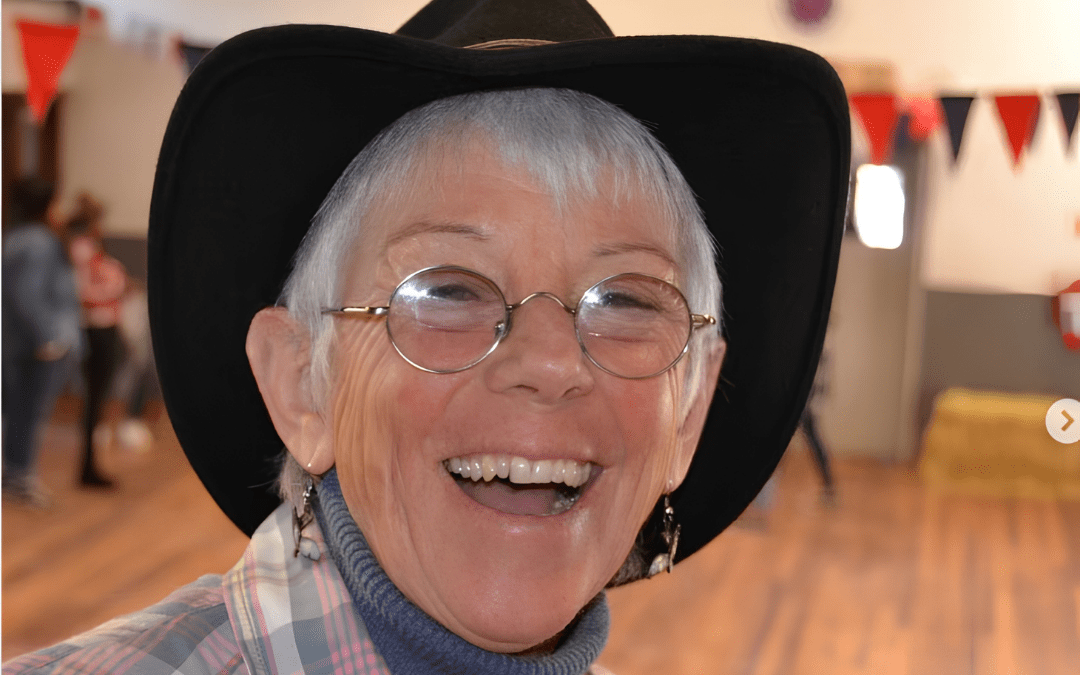
From Cape Town, Western Cape, Caroline Blundell has been helping others find their rhythm for many years. As a musician, guitar teacher, performer, and beloved barn dance caller, she has spent her life creating joy for others. Through lessons, performances, and countless moments of encouragement, she has helped people find confidence, connection, and community through music.
Earlier this year, Caroline’s life took an unexpected turn when she was diagnosed with colon cancer and required urgent surgery. The operation offered hope, but it also came with a difficult reality: weeks of recovery and no income during that time.
Today, thanks to the generosity of more than 100 supporters, Caroline has been given something invaluable: the opportunity to focus on healing.
Through a medical crowdfunding campaign on BackaBuddy, supporters came together to raise more than R133 000 from 103 donors, exceeding the campaign’s original R100 000 goal and helping give Caroline the financial breathing room she needed to focus on recovery.
When Life Changes Unexpectedly
The campaign was launched by Caroline’s niece, Sarah Catto, who knew just how many lives her aunt had touched over the years. Caroline has always been the person showing up for others. Whether teaching someone their first guitar chord, leading a room full of dancers, or offering encouragement when it was needed most, she has built a life around generosity, humour, and connection. When news of her diagnosis spread, people responded in the same spirit she had shown them for years.
The support was immediate and heartfelt.
A Community Shows Up for One of Its Own
The response was immediate. Friends, former students, fellow musicians, family members, and supporters from across the country rallied behind Caroline’s campaign. Together, they raised 134% of the target amount. But the numbers only tell part of the story. What stands out most is the affection woven through the messages left by donors. One supporter wrote:
“Dearest Caroline, we are so sorry to hear of this health challenge you now face, and send you all our love and healing wishes for a remarkable recovery. Most of all may you recover and rest with ease and enjoy the love all around you.”
Another donor reflected on the impact Caroline has had on so many people over the years:
“The great number of people on this list is a measure of all that you have given and shared. This is a small thank you for all those special moments that you brought into our lives.”
Those words capture something powerful about this campaign. It wasn’t simply about raising money. It was about a community expressing gratitude for someone who has spent years enriching the lives of others.
The Impact Behind the Donations
For individuals facing serious illness, financial support can provide something that’s often difficult to quantify. Peace of mind. Knowing that essential expenses can be covered allows patients to focus their energy where it’s needed most, on treatment, recovery, and healing. The funds raised through Caroline’s campaign will help cover:
Medical expenses
Living costs during recovery
Day-to-day financial commitments while unable to work
Ongoing recovery needs
Most importantly, the support has given Caroline the opportunity to step back from work temporarily and prioritise her health without carrying the full weight of financial uncertainty.
Why Medical Crowdfunding Matters
Medical challenges often arrive without warning. Even when treatment options are available, the financial consequences can place enormous strain on individuals and families. A medical crowdfunding campaign gives communities a practical way to respond.
Supporters can contribute financially, share a campaign with their networks, or simply leave messages of encouragement that remind someone they’re not facing their journey alone. Through BackaBuddy, thousands of South Africans have been able to access support during some of life’s most difficult moments, whether they’re facing cancer treatment, major surgery, rehabilitation, or unexpected medical emergencies.
Caroline’s campaign is another example of what becomes possible when communities come together around someone they care about.
More Than a Fundraising Goal
The campaign may have exceeded its target, but the real success lies elsewhere. It’s found in the knowledge that Caroline can focus on getting better. It’s found in the hundreds of acts of kindness that transformed concern into action. And it’s found in the reminder that the relationships we build throughout our lives often come back to support us when we need them most.
For now, Caroline’s focus is on healing. And thanks to the generosity of more than 100 supporters, she has the space to do exactly that. With time, recovery, and a community standing behind her, there is every reason to believe she’ll soon be back doing what she loves most: making music and sharing it with others.
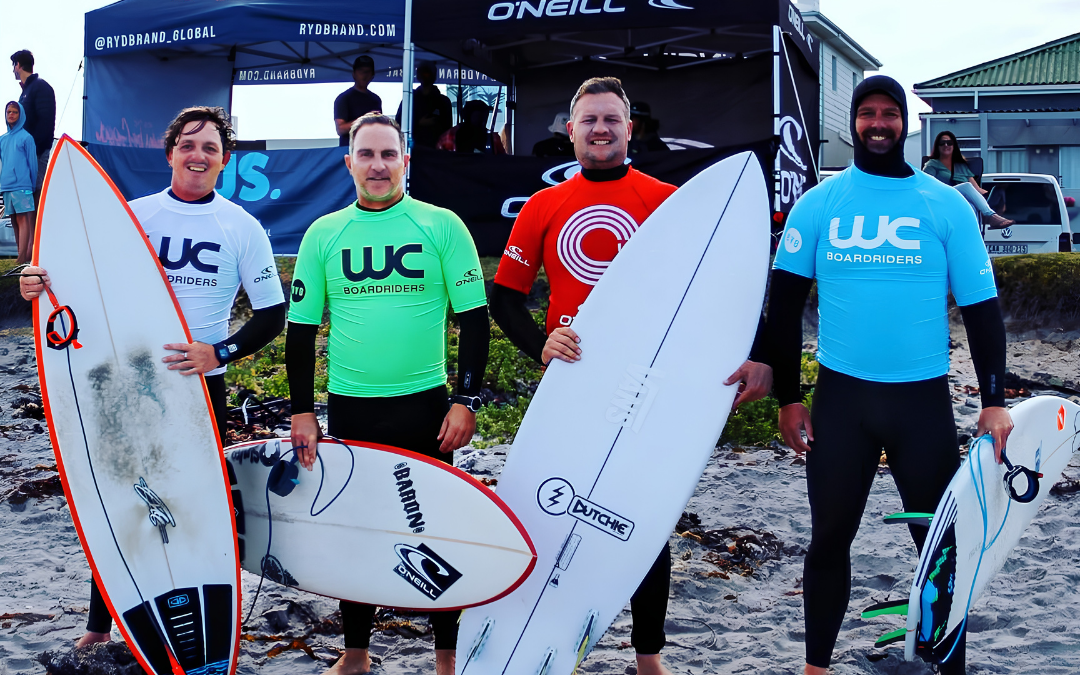
On 2 January 2026, In Cape Town, Western Cape, a fire tore through the business park where Dutchie Surf Designs was based, leaving more than a workspace behind in ashes. For Josh Louw, the founder of Dutchie Surf, it meant losing the tools, materials, and setup behind a surfboard manufacturing business built on years of skill, patience, and love for the ocean. The damage was devastating and Josh would need to be rebuilt from the ground up.
But in the days and weeks that followed, something amazing happened. Josh’s surf community showed up for him. Through a “Dutchie Surf Rebuild” crowdfunding campaign on BackaBuddy, supporters helped raise R109 272, surpassing the original R100 000 goal and giving Josh the support needed to begin rebuilding Dutchie Surf Designs.
More Than a Surfboard Business
Dutchie Surf Designs is a place where craftsmanship, surf culture, and community meet. Each board is shaped with the rider in mind, built for the waves they chase and the way they move through the water. For surfers, a board is never just equipment. It carries memories of early mornings, favourite breaks, difficult paddle-outs, and the feeling of finally catching the right wave.
That is what made the loss so heavy. The fire destroyed tools and materials, but it also disrupted a craft and a community that many people felt personally connected to.
The First Step After the Fire
After the fire, Josh was embraced by the people around him. Members of the surf community helped with a temporary workspace so he could begin finding his feet again. But getting back to work required more than a place to stand. He needed to replace tools, cover staff wages, and keep up with overheads while beginning the long process of rebuilding his own factory.
The BackaBuddy campaign was launched as a practical way for people to help. And they did.
The Impact of the Support
Over five months, supporters contributed enough to push the campaign beyond its target. The funds raised helped create breathing room at a time when everything felt uncertain. They helped Josh move from the shock of the loss into the first stage of recovery. For a small business, that kind of support matters deeply.
It meant he could pay his staff.
It meant he could replace the tools needed to work again.
It meant staying afloat long enough to rebuild instead of having to walk away.
This is the real impact of crowdfunding after a disaster. It does not undo what happened, but it gives someone a way to start again.
A Community Built Around the Ocean
What stands out most in this campaign is the messages left by donors. They are familiar, warm, and full of surf-community language. They sound like people speaking to someone they know, respect, and want to see back on his feet. One supporter wrote:
“You got this Dutchie!”
Another shared:
“Keep going Josh, still have my faithful Dutchie and will surely need another.”
And one message summed up the spirit of the campaign simply:
“Come bru, let’s rebuild, groms need boards.”
These were not just donations. They were reminders that Dutchie Surf Designs had become part of people’s lives.
Why Crowdfunding Works for Small Business Recovery
When a small business suffers a sudden loss, the impact is rarely limited to one person. Staff are affected. Customers are affected. A wider community feels the gap.
Crowdfunding gives people a direct way to respond when they want to help but may not know how. Through BackaBuddy, supporters could donate securely, share the campaign with others, and help build momentum around the rebuild. For Dutchie Surf, the campaign turned encouragement into practical support. It gave customers, friends, fellow surfers, and supporters a way to say: We want you back.
Rebuilding With the Community Behind Him
More than R109 000 was raised through the BackaBuddy campaign, helping Josh begin replacing essential tools, supporting staff, and rebuilding Dutchie Surf Designs after a devastating loss. The campaign’s success reflects something many small businesses discover during difficult times: people are often willing to help when they’re given a meaningful way to do so.
For Dutchie Surf, that support came from fellow surfers, customers, friends, and supporters who wanted to see the business continue shaping boards and serving the community it has built over the years.
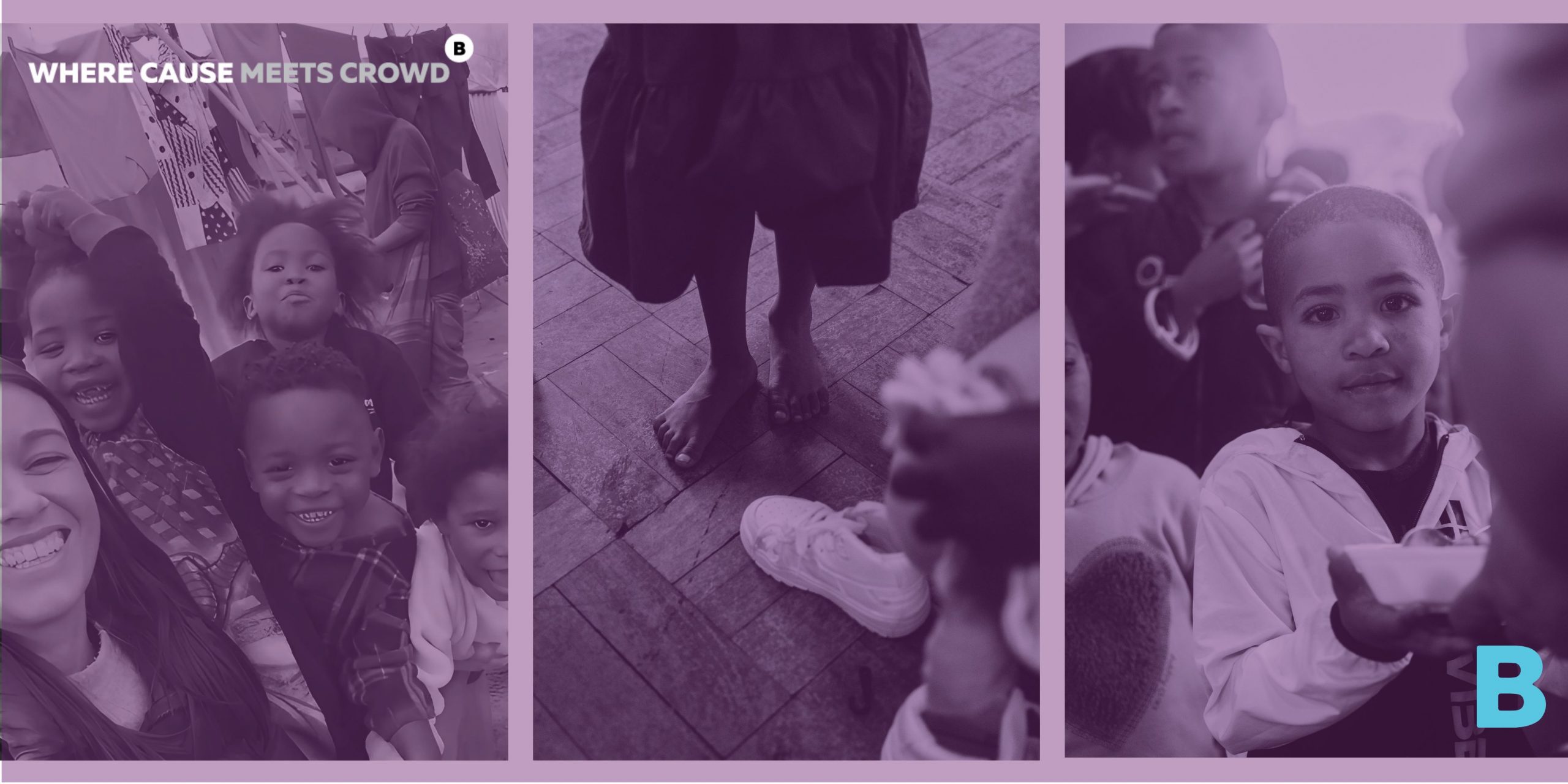
In July and August 2025, Nikita Van Rensburg (32) and her brother, Ricki Van Rensburg (38) rallied support for the Gatjie settlement (Cape Town) with a winter shoe drive and a follow-on crowdfunding initiative that is already changing daily life. The first drive launched on 17 July 2025, raising R21,500 and—together with sponsors—turning a hired hall into a day of dignity with hot meals and brand-new sneakers for children who’d been walking barefoot through winter mud. On 18 August 2025, she launched a second recurring donations campaign that has raised R22,500 so far toward a R200,000 goal to keep food on the table and repair leaking shacks. In total, 18 donors have given across both campaigns, including two anonymous R10,000 donations in the first three days, and many more partners have contributed goods, time, and heart. A surprise video call from Springbok captain Siya Kolisi on the day of the shoe drive also became a powerful spark for courage and belonging for the community of Gatjie.
A legacy of love, carried forward
“In 2018, my mom started handing out hot meals on a field in Diep River,” Nikita says. “She built deep relationships with the Gatjie community—hosting Christmas parties and fundraising for school supplies. She loved them, and they loved her back.”
When their mom passed away from a brain tumor, Nikita and Ricki promised to carry that legacy forward. The promise quickly turned into action: before a recent storm, they replaced roofs on a handful of shacks using their own funds.
“One elderly husband stepped inside to see the dry floor and collapsed, sobbing with relief. I’ll never forget that,” she recalls.
That moment—simple, human, unforgettable—captures the heartbeat of the campaign: practical love that keeps families warm, dry, and fed. It’s also why gestures like Siya Kolisi’s call matter so much—seeing a national captain show up for Gatjie tells every child their story is worth showing up for, too.
The August shoe drive answered an urgent need. Through a contact at Adidas, more than 80 pairs of brand-new sneakers arrived. New Balance added R10,000 and three pairs of socks per person—hundreds of pairs—so feet would stay warm and dry on muddy footpaths. With the funds raised online and meals donated locally, the team fitted little feet, served steaming plates, and reminded families that they are seen. All content and photographs from the shoe-drive event were captured and donated pro bono by Cape Town creative Ramon Mellett (Instagram: @ramonmellett).
“Some kids cried with happiness,” Nikita says. “One boy keeps his shoes in the box after school, so they stay nice.”
From shoes to shelter and supper
Shoes were the start, not the finish line. Cape Town’s winter rains turn thin, rusted roofs into sieves; mattresses, blankets, and clothing stay wet for days.
“We’ve made a priority list of homes needing repairs,” Nikita explains. “It costs about R2,500 to replace a roof, and some homes just need patchwork.”
Food is another urgent need. When storms close soup kitchens, children go to bed hungry.
“I’ll never forget a 3-year-old dipping her lollipop in water and saying it made her feel more full—because that day, they could only afford the lollipop.”
The plan now is year-round: provide meals, fix roofs, and host regular kids’ days filled with play, learning, and love—safe spaces where children can simply be children. The funds raised will go directly to food, clothing and blankets, and the materials and labour needed to repair shacks so families can sleep without fear that the roof will collapse.
Women’s Month, dignity and dreams
This Women’s Month, the work took on special meaning. On the day of the shoe handout, the children received a surprise video call from Springbok captain Siya Kolisi. He spoke courage into a young boy who’d been bullied; that night the child told his mom he was going to dream about meeting his hero. Even one of the bully’s moms came forward to apologise afterwards.
“The kids kept asking why Siya would speak to them,” Nikita says. “They need to know they matter—that where they come from isn’t something to be ashamed of.”
Girls also left with more than footwear. The Cora Project joined to run a pad drive and a powerful conversation about periods, confidence, and choice. They offered discreet bags for carrying pads—yet several girls chose to walk out holding their pads in hand, proudly. For Nikita, moments like these echo her mother’s heart: show up, feed people, and restore dignity.
Why this campaign matters now Gatjie is a small settlement with big hearts—and daily hurdles. Without sturdy shoes, children slog through sand and mud just to reach communal toilets; without intact roofs, families take turns sleeping for fear of collapse. Hunger makes it hard to learn; lacking basics erodes confidence. And yet the resilience is unmistakable.
“You can show up with nothing but yourself,” Nikita says, “and the kids will run to you for hugs.” Her long-term hope is clear: “I want to see at least one child from Gatjie grow up, leave the settlement, and be able to support their family. We can get there with nutrition, school supplies, sport, and connection.”
How you can help Every contribution stretches far: R2,500 can put a dry roof over a family; any amount helps fund weekly meals, clothing and blanket drops, and the next kids’ day. Corporate partners can donate shoes, socks, roofing materials, or food. Volunteers can cook, deliver, mentor—or simply show up. To connect about goods or time, reach Nikita on Instagram at @triggrGood. If you want to give right now, both campaign pages are live: the winter shoe drive here:https://www.backabuddy.co.za/campaign/winter-shoe-drive-for-the-gatjie-kids and the ongoing support drive here:https://www.backabuddy.co.za/campaign/helping-the-gatjie-community-together.
In just weeks, these efforts have raised R31,500 in cash—plus generous in-kind donations—and built a blueprint for hope that is practical, personal, and profoundly local. It looks like a dry mattress, a warm bowl of food, a pair of laces tied tight—and a child who believes tomorrow can be better than today.
If you’ve ever wondered what Ubuntu means—this is it. And this initiative is calling on the African spirit, and you, to climb on board and get involved.
Every year on May 28th, the world comes together to shine a light on a group of devastating illnesses, blood cancers, which include leukemia, lymphoma, and multiple myeloma. On World Blood Cancer Day, we honour the fighters, remember the fallen, and empower communities with information that could save lives.
What is Blood Cancer?
Blood cancer affects the production and function of blood cells. Most begin in the bone marrow where blood is produced. Abnormal cells grow uncontrollably, disrupting the body’s ability to fight infection, transport oxygen, and control bleeding.
Main types of blood cancer:
Leukemia – Cancer of the white blood cells.
Lymphoma – Cancer of the lymphatic system.
Multiple Myeloma – Cancer of the plasma cells in bone marrow.
Where to Go for Help and Support in South Africa
If you or someone you know is affected by blood cancer, or you’d like to get involved, here are some important organisations and facilities offering support and services:
To Join the Donor Registry or Get Tested
DKMS Africa (The Sunflower Fund) Branches nationwide www.dkms-africa.org 0800 12 10 82 Offers free donor registration and information on stem cell transplants.
To Donate Blood or Platelets
South African National Blood Service (SANBS) Available in all provinces except the Western Cape www.sanbs.org.za 0800 11 90 31
Western Cape Blood Service (WCBS) Western Cape Province www.wcbs.org.za 021 507 6300
For Patient Support and Resources
Leukaemia Foundation of South Africa leukaemia.org.za Provides patient support, awareness campaigns, and donor education.
Cancer Association of South Africa (CANSA) Regional Care Centres across South Africa cansa.org.za 0800 22 66 22 Offers counselling, wigs, support groups, and patient accommodation.
CHOC Childhood Cancer Foundation SA Support centres near major paediatric oncology units choc.org.za Supports children with cancer and their families with practical and psychosocial help.
How You Can Help
Join the Donor Registry
Joining DKMS’s stem cell registry takes minutes and could mean the world to someone waiting for a life-saving match.
Donate Blood or Platelets
Regular donations are vital for patients undergoing chemotherapy or stem cell transplants.
Start or Support a Fundraiser
Create or support a crowdfunding campaign for a cancer patient on platforms like BackaBuddy.
Share and Educate
Use your voice to spread awareness. Share stories, facts, and resources using #WorldBloodCancerDay.
Wear Red on May 28
Stand in solidarity with warriors by wearing red and encouraging conversations about blood cancer.
World Blood Cancer Day is more than a symbol, it’s a life-saving opportunity. Whether you’re helping someone get a diagnosis, joining the donor registry, or donating blood, your contribution can make an impact.
Every year on May 30th, the global community comes together to mark World Multiple Sclerosis Day, a time to raise awareness, challenge stigma, and amplify the voices of those living with MS.
World MS Day is more than a date on the calendar, it’s a worldwide movement of solidarity, a call for better access to care, and a celebration of resilience.
What is Multiple Sclerosis?
MS is a chronic illness of the central nervous system, affecting the brain and spinal cord. It occurs when the immune system mistakenly attacks the protective covering of nerve fibers (myelin), causing inflammation and disrupting communication between the brain and the rest of the body.
MS affects over 2.8 million people globally, with varying symptoms depending on the area and severity of nerve damage.
Where to Find Help and Support in South Africa
Whether you’re newly diagnosed, a caregiver, or looking to support someone living with MS, help is available:
Multiple Sclerosis South Africa (MSSA)
www.multiplesclerosis.co.za Regional branches in Gauteng, Western Cape, KZN, and Eastern Cape – 0860 45 67 87 Offers education, support groups, access to resources, and advocacy for MS patients.
South African MS Facebook Groups and Forums
Search for private support groups like:
MS Warriors South Africa
Living with MS in SA
Neurology Departments at Major Public Hospitals
Access diagnosis, treatment plans, and referrals for further care:
Groote Schuur Hospital (Cape Town)
Chris Hani Baragwanath Hospital (Johannesburg)
Steve Biko Academic Hospital (Pretoria)
Inkosi Albert Luthuli Hospital (Durban)
How You Can Help This World MS Day
Raise Awareness
Share stories, facts, or the official hashtag #WorldMSDay on social media.
Donate or Fundraise
Support MSSA or individuals raising funds for mobility aids, treatment, or daily living needs on platforms likeBackaBuddy.
Wear Orange on May 30
Orange is the global colour of MS awareness. Wear it proudly and spark conversations.
Living with MS can be an uphill journey, but no one has to walk it alone. By increasing awareness, strengthening support networks, and advocating for better care, we can help people with MS live fuller, more empowered lives.
In 2020, cricketer JP Duminy launched the Be Someone’s Tomorrow campaign in support of the South African Bone Marrow Registry (SABMR), calling on the public to help patients fighting life-threatening blood disorders access the stem cell transplants they urgently needed. What followed was an extraordinary outpouring of compassion. Through the BackaBuddy platform, generous donors came together to raise R2 800 towards the R300 000 goal — a heartfelt reminder that even the smallest contributions can spark immense hope and change lives.
For donors, this campaign went beyond a festive season appeal — it became a personal mission to offer second chances to those who had run out of options. Every contribution, whether large or small, helped ease the burden on patients and their families. Many South Africans, especially those without medical aid, simply cannot afford the high costs associated with finding a matching donor. Thanks to the generosity of donors, the SABMR’s Patient Assistance Programme was able to cover expenses such as donor recruitment, tissue typing, and transplant-related medical bills.
What moved so many to support the campaign was its deeply human focus. Donors weren’t just giving to a cause — they were giving to real people: an 11-year-old girl, a mother, a grandfather. Behind every rand donated was a heartfelt belief that no one should be denied the chance to live because of financial barriers. The idea of families spending Christmas in hospital instead of around a table with loved ones resonated deeply with many supporters, particularly during the emotional highs and lows of the holiday season.
The campaign also sparked much-needed awareness around the lack of ethnic representation on the bone marrow registry. Many donors were alarmed to learn how poorly represented people of colour are on the SABMR database — with coloured, black, and Indian donors collectively making up less than 30% of the registry. This imbalance means that patients of colour face much slimmer odds of finding a match. For many supporters, this knowledge became a turning point, prompting them to not only donate but also sign up as potential donors themselves.
Donors were instrumental in shifting this reality. Their support didn’t just help individuals in crisis — it sent a wider message about equity, representation, and the power of community. By funding critical searches and treatments, they helped ensure that patients from all walks of life were given a fighting chance, regardless of their financial means or background.
The Be Someone’s Tomorrow campaign was a reminder of what’s possible when compassion leads the way. It proved that when donors rally together with purpose, lives are saved, hope is restored, and families are reunited. Today, the impact of their kindness continues to echo through every successful transplant and every patient who got to go home — because someone, somewhere, chose to care.
For those who were part of the journey in 2020, the results speak for themselves: your generosity changed lives.