by Tessa Van Rensberg | May 25, 2026 | Press Release
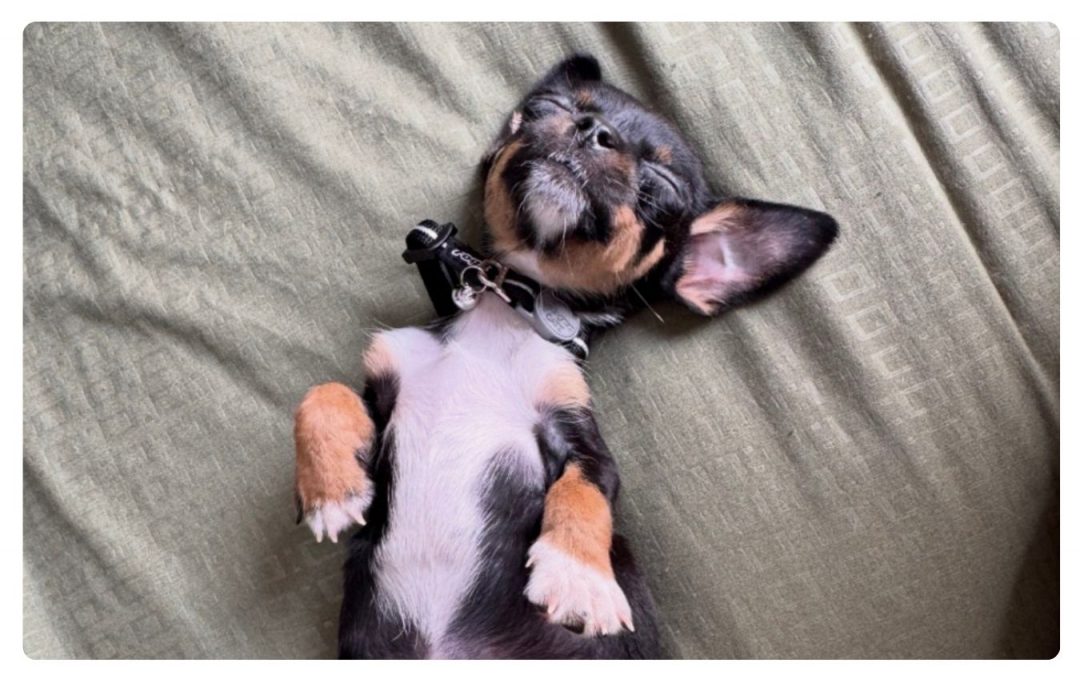
Benoni, Gauteng — Just days after being rescued and welcomed into a loving home, a two-month-old puppy is now in a race against time to survive a life-threatening heart condition.
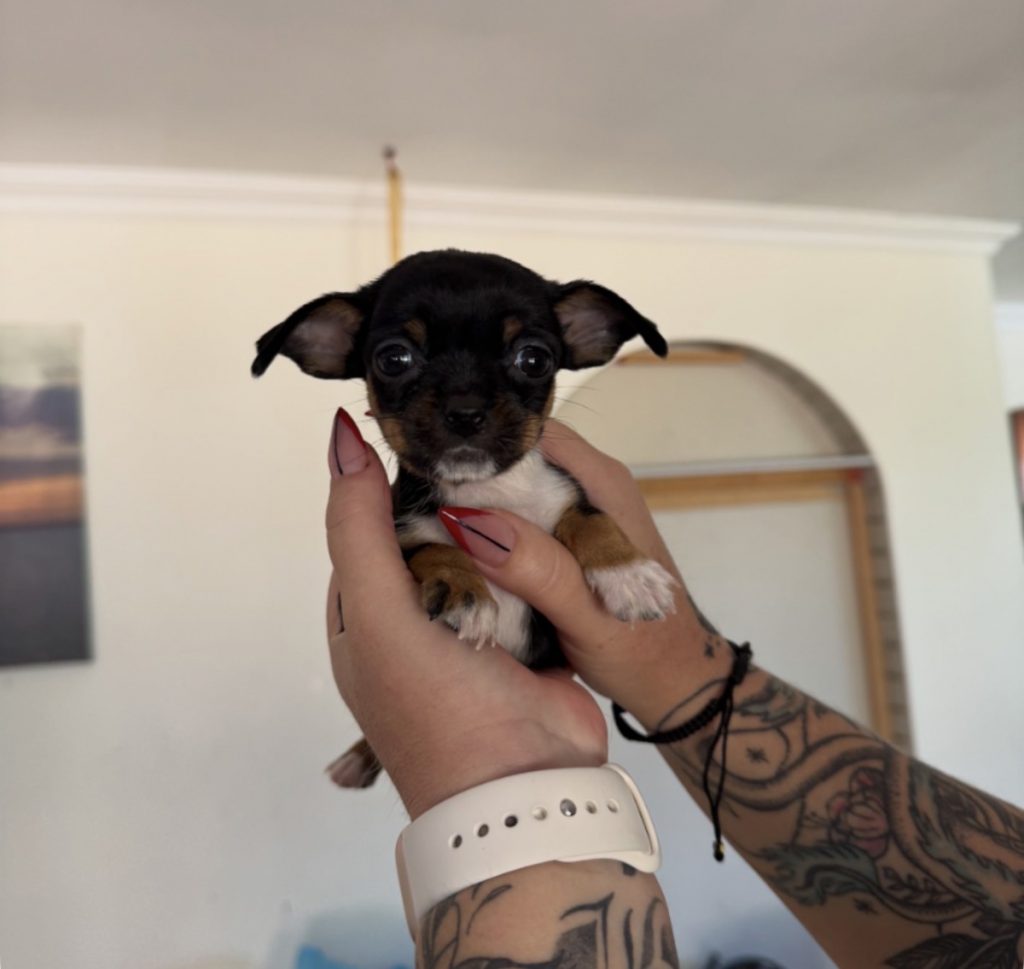
Chilli, a Chihuahua cross Miniature Pinscher, was adopted from a local rescue group only a week ago, but what was meant to be the start of a new life quickly turned into a fight for survival.
A New Beginning Cut Short
Described as playful, feisty, and full of personality, Chilli had already begun settling into her new home and winning over her family.
“She is a tiny little ball of love… feisty, full of life, and already part of our family,” her owner shared.
A Routine Vet Visit Turns Critical
A routine trip to the vet for suspected kennel cough led to a devastating discovery.
What initially seemed minor quickly escalated when a heart murmur was detected, prompting urgent specialist care.
Further tests, including an echocardiogram and chest X-ray, confirmed the diagnosis:
Patent Ductus Arteriosus (PDA), a congenital heart defect.
A Race Against Time
Without treatment, Chilli’s condition is life-limiting.
The defect causes abnormal blood flow to her heart, placing strain on her organs and significantly reducing her lifespan, with vets estimating she may only have about a year to live without intervention.
However, there is hope.
A once-off corrective surgery could save her life and allow her to grow into a healthy adult dog.
The Cost of Saving a Life
The surgery, while life-saving, comes with significant costs that her new owners are unable to cover alone.
In just 11 days, supporters have raised over R3,700, but more is needed to secure the procedure in time.
Every contribution or share helps bring her closer to the chance of a healthy future.
To support Chilli, visit her BackaBuddy campaign page here.
by Tessa Van Rensberg | May 22, 2026 | Impact Updates
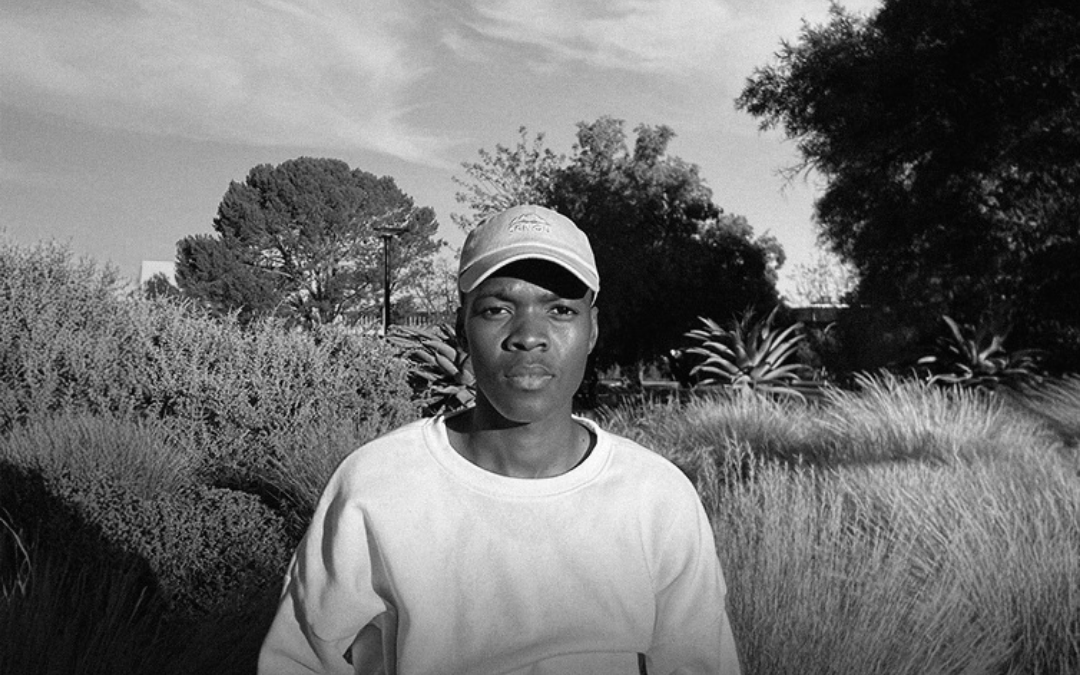
Durban, KwaZulu-Natal, A BackaBuddy graduation fundraiser helped first-generation graduate Sambulo Maphumulo return home from Hungary to celebrate one of the most important milestones of his life with the people who helped him get there.
After raising just over R21 000 through the support of 32 donors, Sambulo was able to secure a flight back to South Africa to attend his graduation ceremony at the University of the Free State, where he completed his Marketing degree with distinction.
A Graduation That Meant More Than a Qualification
For Sambulo, graduation was never only about receiving a degree. As a first-generation university student and graduate, the moment represented years of hard work, sacrifice, and determination, not just for himself, but for his family too. At the same time, Sambulo had already taken another major step forward in his academic journey. After completing his degree in 2025, he received an international scholarship opportunity to continue his studies in Hungary.
But while studying abroad opened new doors, it also created a difficult reality. The cost of returning home for graduation was simply out of reach.
A BackaBuddy Graduation Fundraiser Gains Support
Sambulo launched a BackaBuddy campaign explaining that he needed help covering the cost of a plane ticket from Hungary to South Africa so he could attend his graduation ceremony in person. The response, though modest in size, made a meaningful impact. Within two months:
- R21 004 was raised
- 105% of the goal was reached
- 32 donors contributed to the campaign
To see the impact you can view the campaign here.
Supporters also left messages of encouragement as donations came in. One donor shared:
“I’m so proud of you, Sambulo. All the best for your grad.”
Why This Campaign Resonated
Sambulo’s story connected with people because it reflected something many South Africans understand deeply: education can change the future of an entire family. For first-generation graduates especially, milestones like graduation carry enormous emotional weight. They represent opportunities previous generations may never have had access to.
And for families watching from the sidelines, seeing a child walk across that stage often means seeing years of sacrifice finally come full circle. That’s what made this campaign about more than travel costs. It became a chance for people to help ensure that Sambulo and his family could fully experience a once-in-a-lifetime moment together.
Small Campaigns Can Still Create Big Impact
One of the strongest reminders from Sambulo’s campaign is that crowdfunding success does not always depend on massive numbers or viral attention. Just 32 donors helped make this moment possible.
Sometimes, meaningful impact comes from smaller groups of people choosing to show up consistently and generously. In this case, every contribution helped turn uncertainty into celebration.
A Future Still Unfolding
Today, Sambulo continues his studies abroad while building toward a future in marketing and international education. But thanks to the support of those who contributed to his BackaBuddy graduation fundraiser, he was able to come home and celebrate a milestone that meant everything to him and his family. And for the people who donated, the impact of their support is something they will always be part of.
Start Your Own BackaBuddy Campaign
Whether you’re raising funds for education, medical costs, sport, community initiatives, or personal challenges, BackaBuddy gives South Africans a place to ask for support when it matters most.
by Tessa Van Rensberg | May 22, 2026 | Impact Updates
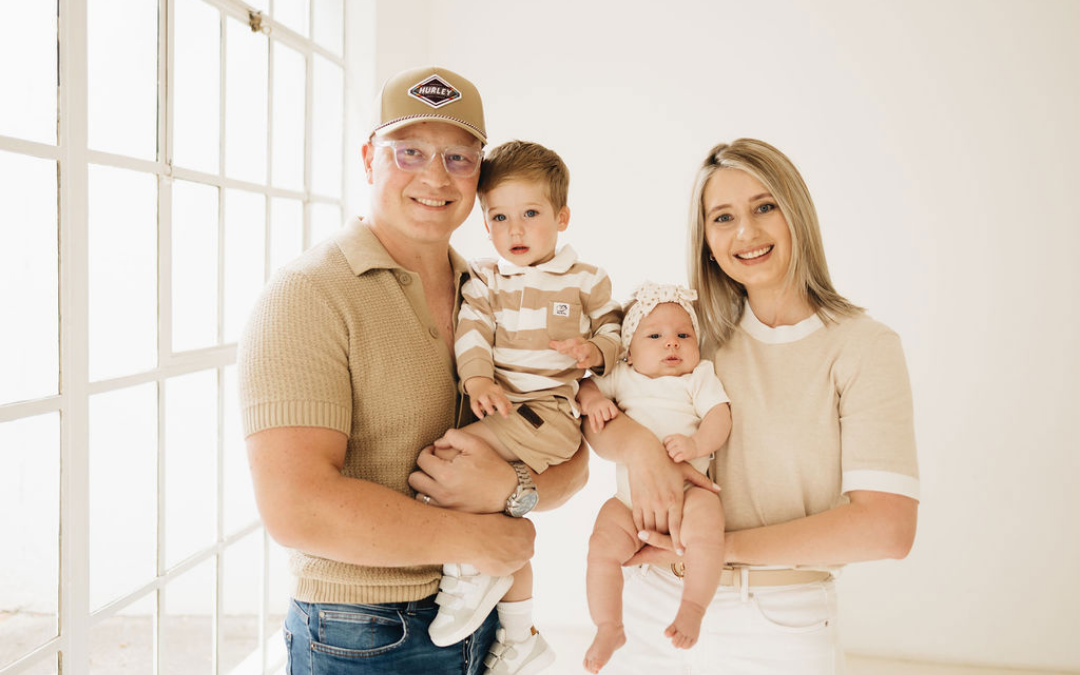
Pretoria, Gauteng, When Jan-Hendrik Truter was diagnosed with stage 4 Burkitt’s lymphoma at just 32 years old, life changed almost overnight for his young family. What followed was months of chemotherapy, repeated hospital admissions, uncertainty, and the emotional strain of trying to hold a family together while fighting an aggressive cancer. But alongside the fear and exhaustion came something else too: extraordinary support.
Through their BackaBuddy crowdfunding campaign, hundreds of people came together to help carry the Truter family through one of the most difficult chapters of their lives.
In just four months:
- R692 519 was raised
- 107% of the R650 000 goal was reached
- 425 donors contributed to the campaign
For Jan-Hendrik and his family, the impact of that support went far beyond the total raised.
A Young Family Facing the Unthinkable
At the beginning of 2025, Jan-Hendrik and his wife, Esteé had been building toward an exciting new season of life. The couple had invested their savings into starting a business and were raising their young son together while preparing to welcome their second child. Then came the diagnosis.
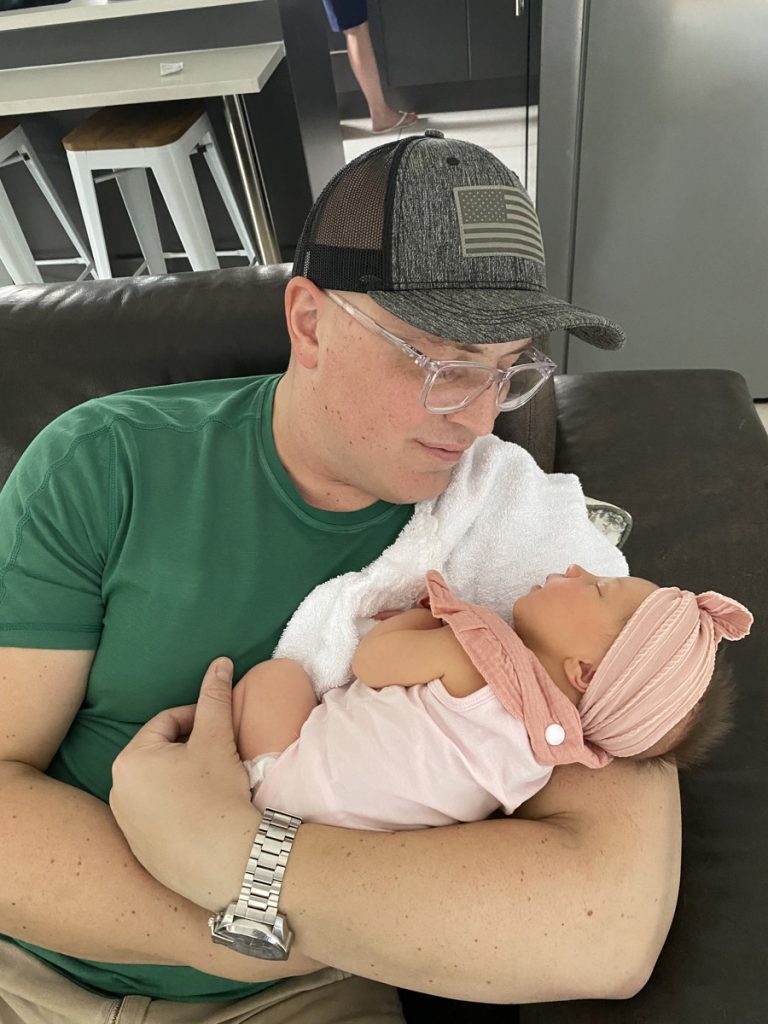
Jan-Hendrik was diagnosed with stage 4 Burkitt’s lymphoma, a rare and highly aggressive cancer requiring immediate and intensive treatment. As their world shifted into cycles of chemotherapy, hospital stays, infections, and medical emergencies, family life became centred around survival. Their daughter was born on 1 December 2025, just one day before Jan-Hendrik began his fourth cycle of chemotherapy.
What should have been a joyful season became one marked by hospital rooms and uncertainty instead.
The Reality Behind Cancer Treatment
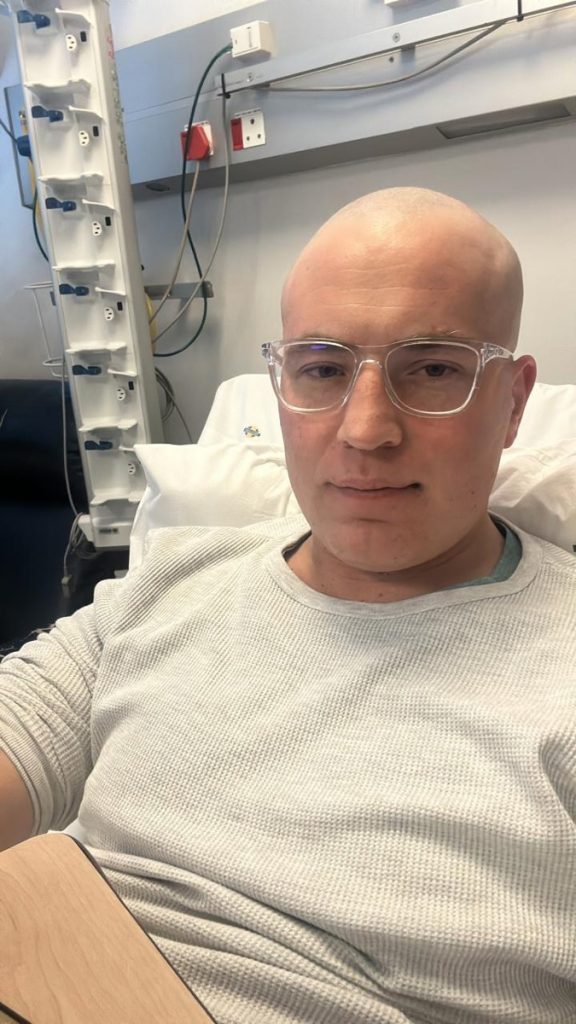
For months, Jan-Hendrik spent more time in hospital than at home. His treatment required week-long chemotherapy admissions followed by periods of recovery at home. But complications and infections often sent him back into hospital unexpectedly due to his weakened immune system. Even while receiving treatment, he continued trying to work remotely from his hospital room whenever he physically could.
But the financial pressure quickly became overwhelming. The family was now carrying:
- Ongoing medical costs
- Daily living expenses
- Reduced income
- The emotional toll of raising two young children during a medical crisis
And still, a bone marrow transplant remained ahead.
A BackaBuddy Cancer Crowdfunding Campaign Reaches Thousands
To help the family stay afloat during treatment, Esteé launched a BackaBuddy cancer crowdfunding campaign. What happened next became a powerful reminder of how deeply people are willing to show up when someone is facing the unimaginable. Donations came in from friends, family, strangers, and supporters across South Africa and beyond. People didn’t only give money.
They gave encouragement.
They shared the campaign.
They reminded the Truter family they were not carrying this alone.
And together, 425 donors helped the campaign surpass its target. To see the real time impact of the campaign, you can find it here.
The Impact Behind the Number
Raising nearly R700 000 is significant. But behind that number is something far more personal. It meant:
- More space for the family to focus on treatment
- Less immediate pressure around survival expenses
- More time with their children during an incredibly difficult season
- The ability to keep moving forward while Jan-Hendrik continued fighting for recovery
This is often the unseen impact of crowdfunding during illness. The donations don’t remove the diagnosis, but they can help carry some of the weight surrounding it. And sometimes, that support changes everything about how a family survives the journey emotionally.
What 425 Donors Made Possible
Campaigns like Jan-Hendrik’s remind us that community support is not just symbolic. It is practical. Tangible. Life-changing. Every contribution became part of something bigger:
- A family staying afloat
- Parents being able to focus on their children
- A young father continuing treatment without facing the burden completely alone
That’s the power of collective generosity. Hundreds of people, many of whom may never meet Jan-Hendrik personally, chose to stand beside his family anyway.
Why Crowdfunding Matters During Medical Crises
A medical crowdfunding campaign gives families a place to ask for help honestly and safely during moments when life becomes overwhelming. When medical emergencies happen, people often want to support but don’t always know how. Crowdfunding creates a practical way for communities to rally around someone in need, through donations, sharing campaigns, and offering encouragement during difficult seasons.
Jan-Hendrik’s campaign is a powerful example of what can happen when people come together around a family facing extraordinary challenges.
A Family Still Fighting, But No Longer Alone
Jan-Hendrik’s treatment journey continues. But what this campaign has already shown is that even in the hardest moments, people are willing to step forward for one another in remarkable ways. And for the Truter family, that support became more than financial assistance. It became hope.
Start Your Own Crowdfunding Campaign on BackaBuddy
Whether you’re facing medical costs, supporting a loved one, raising funds for education, animal welfare, community initiatives, or another meaningful cause, BackaBuddy gives South Africans a trusted place to ask for support when it matters most.
by Tessa Van Rensberg | May 22, 2026 | Impact Updates
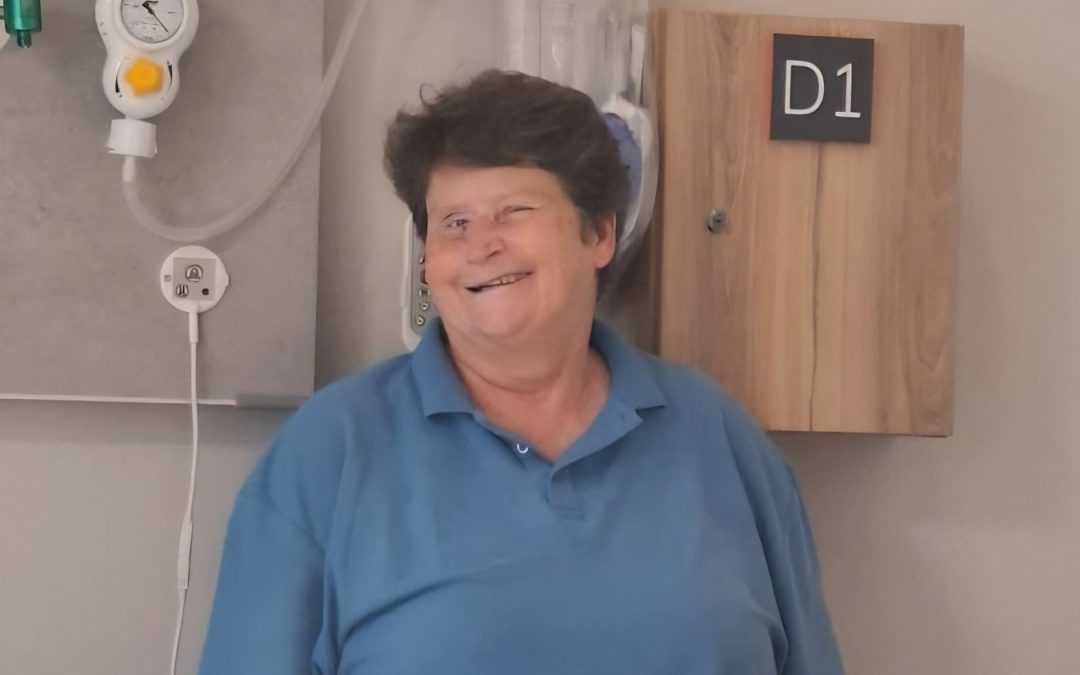
In Middelburg, Mpumalanga, Rachel McDonald has been fighting cancer for 14 years. Over that time, she has undergone 12 major operations, countless medical appointments, and the physical and emotional exhaustion that comes with living in survival mode for more than a decade.
But one of the hardest moments came when she discovered that the radiation treatment she urgently needed would not be fully covered. That’s when people stepped in. Through a cancer treatment crowdfunding campaign on BackaBuddy, supporters helped Rachel raise more than R292 000, ensuring she could access critical radiotherapy and continue the next stage of her treatment journey.
In four months:
- R292 325 was raised
- 104% of the R280 000 goal was reached
- 123 donors contributed to the campaign
For Rachel, the impact of that support meant far more than reaching a target.
A Long Fight Few People Truly See
Rachel is 59 years old and has spent nearly a quarter of her life fighting cancer.
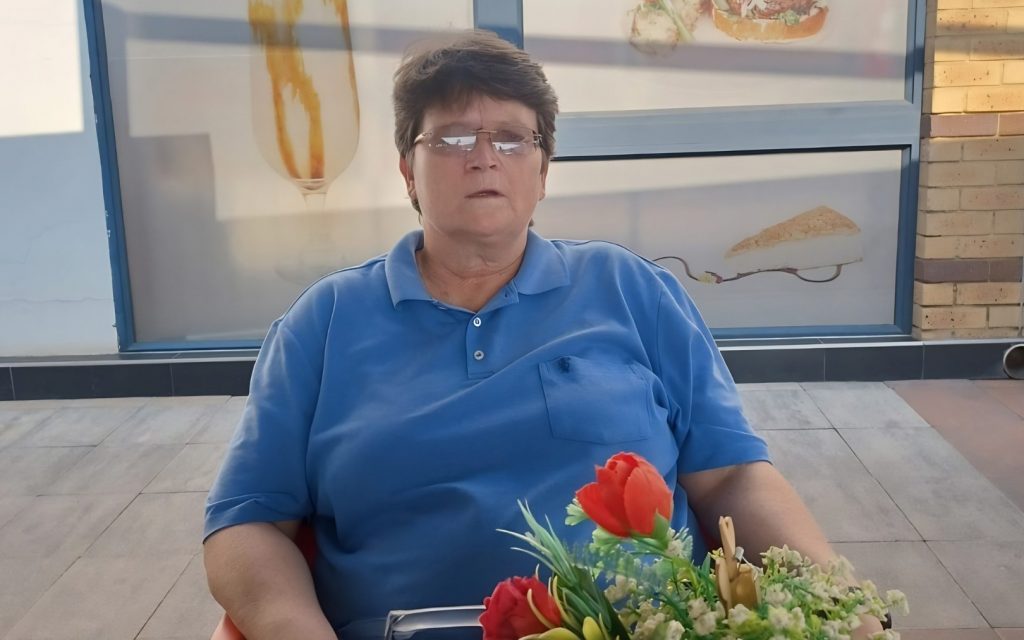
The campaign was launched to help fund urgent radiation therapy treatment after medical aid refused to cover the full costs of both radiotherapy and the chemotherapy that would follow. Like many South Africans navigating long-term illness, the financial pressure became another layer of an already overwhelming battle.
The funds raised would go directly toward:
- Radiation therapy (radiotherapy)
- Continued cancer treatment
- Future chemotherapy costs
- Ongoing medical care
But behind the dire medical needs was something far more inspiring: her will to keep fighting.
A Cancer Treatment Crowdfunding Campaign That Reached Beyond Money
Rachel’s story resonated deeply with people because it reflected something many people understand: the exhaustion of carrying a medical battle for years while still refusing to give up. As donations came in, supporters also shared messages of encouragement, faith, and compassion.
One anonymous donor wrote:
“Kom na My toe, julle almal wat moeg is en swaar laste moet dra, en Ek sal julle lewens verkwik…”
(“Come to Me, all who are weary and burdened, and I will give you rest…” — Matthew 11:28-30)
Messages like these became part of the campaign’s emotional impact too. They reminded Rachel and her family that even in difficult seasons, they were not carrying the burden alone.
Her campaign is a testament to a community coming together. They gave her even more reason to keep fighting. Rachel’s campaign is a great example of a successful medical crowdfunding campaign. You can find it here.
The Real Impact Behind the Total Raised
Raising over R292 000 changed what was possible for Rachel’s treatment journey.
It helped secure access to urgent radiotherapy.
It created breathing room around medical costs.
It allowed the focus to shift back toward healing instead of financial fear.
For many people facing serious illness, this is the hidden impact of crowdfunding. The support does not erase the diagnosis, but it helps families move through treatment with greater dignity, stability, and hope.
Why Crowdfunding Matters During Long-Term Illness
A crowdfunding campaign on BackaBuddy gives people a practical way to ask for help during moments that are often isolating and overwhelming. Like Rachel’s story, medical treatment can stretch across months or years, especially for patients living with chronic or recurring illness. And while people may want to support someone going through that journey, they often don’t know how.
Crowdfunding creates a place where support becomes visible and actionable:
- Donations help cover real costs
- Shares help stories reach wider communities
- Messages remind families they are not alone
Rachel’s campaign is a powerful example of what happens when people rally around someone who has spent years quietly fighting to survive.
👉 If you are wondering how to go about starting a medical crowdfunding campaign on BackaBuddy you can find everything you need to know right here.
A Reminder That Support Changes More Than Just Finances
Behind every donation was a decision to help someone continue fighting. And after 14 years of surgeries, setbacks, treatment, and uncertainty, that support became something deeply meaningful.
Not just financial assistance.
Not just a campaign goal reached.
But proof that compassion still moves people to action.
Start Your Own Crowdfunding Campaign on BackaBuddy
Whether you’re facing medical costs, supporting a loved one through treatment, raising funds for education, community causes, or personal challenges, BackaBuddy gives South Africans a trusted place to ask for support when it matters most.
by Tessa Van Rensberg | May 22, 2026 | Impact Updates
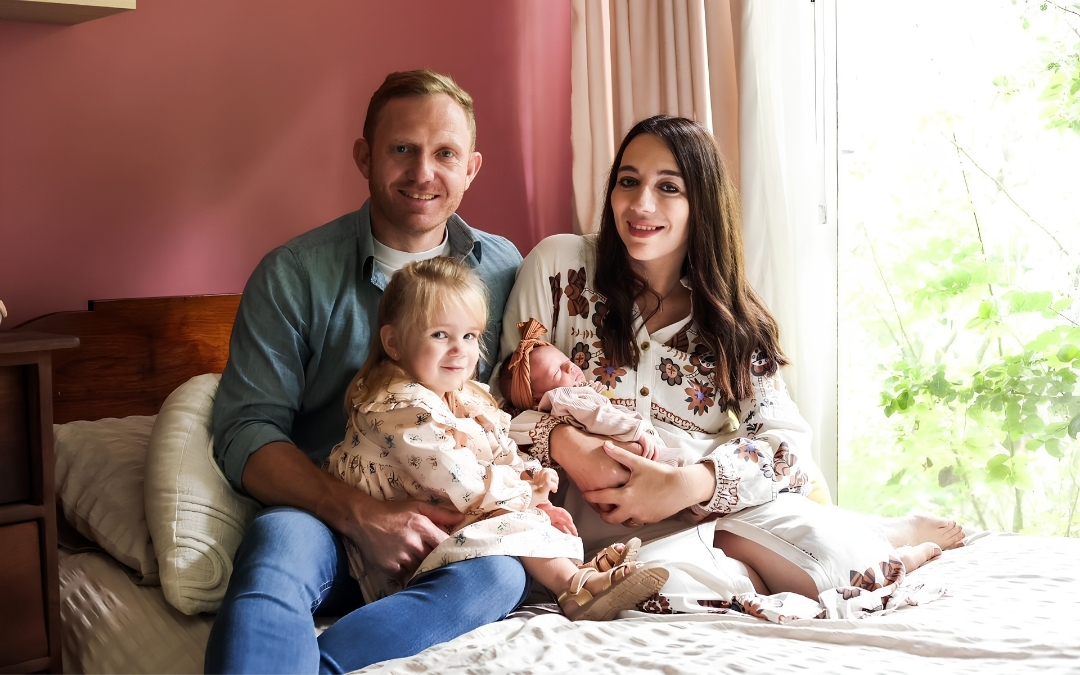
Medical crowdfunding campaigns on BackaBuddy always show us how even a small group of people can make a meaningful difference during a difficult time. And Julie de Beer’s campaign is no different. When Julie welcomed her baby girl, Annah, into the world, it should have been a moment defined by joy. Annah arrived healthy and deeply loved, something the family remains incredibly grateful for.
But soon after the birth, complications changed everything.
A Sudden Medical Setback After Birth
Julie’s Caesarean section wound became infected. Despite multiple visits to a wound clinic and courses of antibiotics, her condition didn’t improve. What followed was something many families aren’t prepared for: urgent medical care that needed to be handled privately.
She was admitted to hospital for five days, placed on intravenous antibiotics, and fitted with a wound vacuum device to support healing. Through it all, her newborn daughter stayed by her side.
When Timing Makes Things Harder
The situation was made even more complex by timing. Julie and her family recently returned to South Africa after living in Morocco for over a year. They were still in the process of settling back, while Julie’s partner needed to travel again to finalise their move.
At the same time, they had already covered the private costs of Annah’s birth and related complications. Like many families facing unexpected medical expenses, they reached a point where they needed support.
A Medical Crowdfunding Campaign on BackaBuddy Gains Momentum
A medical crowdfunding campaign on BackaBuddy was launched with a goal of R30 000 to help cover Julie’s medical costs. What followed was a powerful reminder of what’s possible when people step in:
- R51 092 raised
- 170% of the goal reached
- 16 donors contributed
There was no large-scale campaign or viral moment. Just a small group of people who chose to show up.
You can view the campaign here.
Why This Campaign is Important
It’s easy to think that only campaigns with hundreds of donors make an impact. But Julie’s crowdfunding campaign tells a different story. Sixteen people came together to:
- Ease the pressure of unexpected medical bills
- Support a mother during recovery
- Allow the family to focus on healing instead of finances
More Than Just Financial Support
The impact of Julie’s campaign goes beyond the amount raised. At its heart, it created space for something just as important: peace of mind. The campaign creator, Chane, championing for the De Beer family, originally asked:
“Bid asb saam ons vir vinnig herstel… en vir hulle gemoed.”
(Please pray with us for a quick recovery… and for their peace of mind.)
That’s what this campaign helped provide. Not financial relief, but reassurance during a stressful and uncertain time, that they were not alone.
The Numbers Were Small but the Impact Was Real
Julie’s story is a reminder that a medical campaigns don’t need hundreds of donors to work. Sometimes the most impactful support comes from your immediate community and a close network of friends, family and people who simply care enough to act.
Start a Medical Campaign on BackaBuddy
If you or someone you know is facing an unexpected medical crisis, starting a medical crowdfunding campaign on BackaBuddy can be a practical first step. You don’t need a large network, just a place to begin. Because sometimes, all it takes are a few people to make meaningful impact and change lives.
👉 Get the Guide: If you’re thinking about launching a medical crowdfunding campaign on BackaBuddy, here’s everything you need to know.