The South African Depression and Anxiety Group (SADAG), A beacon of hope for countless individuals, is based in South Africa – its impact reaches across every province, home, and heart that has ever faced the darkness of mental illness. For over 31 years, SADAG has been the country’s leading mental health NGO, answering calls for help every day and night of the year. Through donations, and crowdfunding, BackaBuddy has partnered with SADAG , in an effort to help raise awareness around mental health and the amazing work the organisation does.
Answering the Call for Help
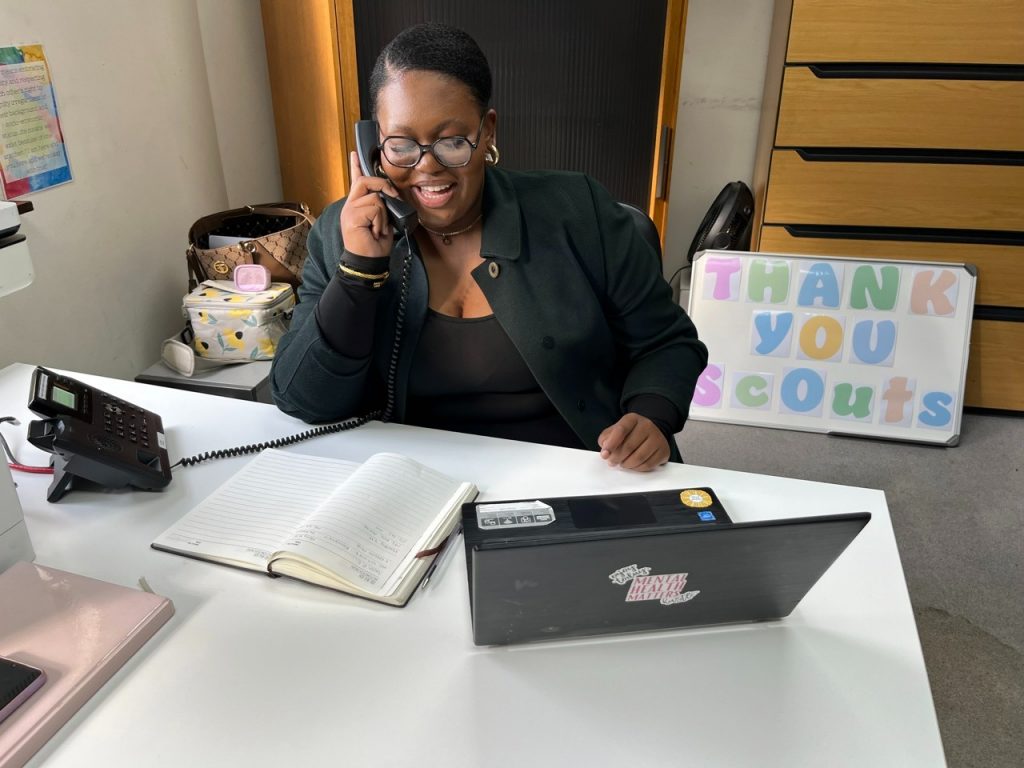
For SADAG, every ring of the phone represents a life – someone in crisis, reaching out as a attempt to be seen, to be heard, to be saved. Their
24-hour Suicide Crisis Helplines are often the only lifeline for thousands of South Africans who find themselves in moments of despair
As SADAG’s Development Manager, Fatima Seedat, explains, “‘Answer The Call for Help’ means more than picking up a phone – it’s about showing up for someone at the exact moment they feel invisible, hopeless, or alone.”
Every month, SADAG faces the monumental task of keeping their helplines open. Their operating costs reach R180,000, ensuring that trained counsellors can continue to provide free, compassionate support to every caller. To sustain this service, they’ve launched a crowdfunding campaign on BackaBuddy, aptly titled “Answer The Call for Help”, which has already raised over R12,610 from 24 generous donors.
Each contribution, no matter how small, keeps hope alive.
As Fatima shared, “When a caller is ready to end their life, that one answered call can change everything.”
She recounts the story of a young man who phoned them one night, moments away from taking his own life. The counsellor’s gentle patience and empathy turned that moment of despair into survival – saving his life through connection, compassion, and care.
A Partnership for Hope
For BackaBuddy, partnering with SADAG is not just a collaboration – it’s a commitment to compassion. The platform, known for connecting everyday heroes with causes that matter, has joined forces with SADAG to help raise both funds and awareness for mental health.
This partnership underscores a shared mission: ensuring that no person’s cry for help goes unanswered. Together, they aim to break the silence surrounding mental health and inspire South Africans to take part in the movement – by donating, crowdfunding, or simply showing kindness.
As SADAG puts it, “Through this collaboration, every donation becomes part of something bigger: a shared effort to ensure that no cry for help goes unanswered. But it’s not only the callers who benefit — giving and extending kindness also nurtures the giver’s own mental wellbeing.”
The Healing Power of Giving
Science agrees: giving is good for your mental health. Acts of generosity – from volunteering to donating – trigger the release of endorphins, dopamine, and oxytocin, often called the “happiness hormones.” These natural chemicals help reduce stress, combat anxiety, and foster a deeper sense of connection.
It’s what BackaBuddy calls “Growing Givers” – the idea that when you give, you grow. Giving to SADAG isn’t just about keeping the phone lines open; it’s also about creating ripples of kindness that heal both the receiver and the giver. As SADAG notes,
“When you help someone, you also help yourself.”
Becoming a Champion for Mental Health
Anyone, anywhere in South Africa, can become a champion for SADAG on BackaBuddy. You don’t have to be a counsellor to save lives – you can host a charity run, arrange an awareness day, and then back your efforts with a BackBuddy campaign. Every initiative contributes to a collective promise: that every call for help will be answered.
And for those who are struggling themselves, SADAG offers this reminder:
“Reach out for help if you need it, even if it’s just to say, ‘I’m not okay.’ Answering the call doesn’t always mean being on the helpline – sometimes it’s simply choosing kindness, choosing connection, choosing to care.”
A Shared Mission of Hope
In a world where so many feel unseen, this partnership between SADAG and BackaBuddy represents unity, hope, and humanity at its best, reminding South Africans that compassion is a strength – and that through giving, we not only lift others, but we lift ourselves.
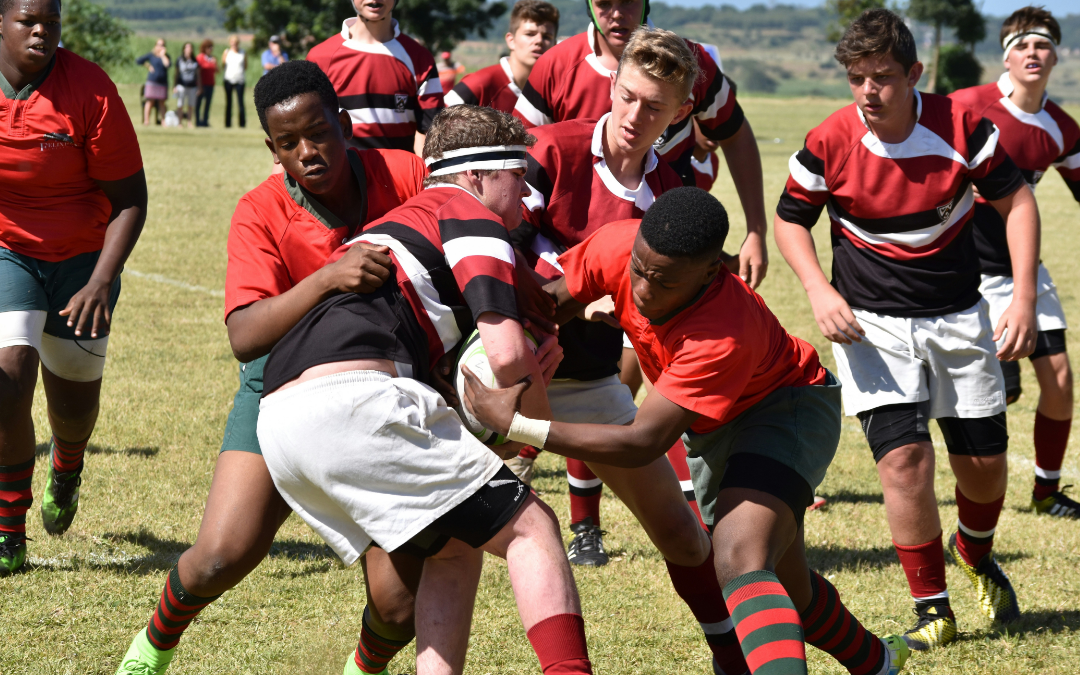
For as long as he can remember, sport has been more than just a game for Andrew Russell – it’s been a language of hope, connection, and opportunity. Today, as the director and co-founder of sport4kids, Andrew has dedicated nearly two decades to ensuring that children from underserved communities can experience that same joy and belonging that the power of sport brought into his own life.
Through sport4kids, a non-profit organisation he started in 2006 with David and Jenny MacGregor, Andrew is helping rewrite the stories of children who might otherwise have been left on the sidelines. Their mission is simple yet profound: to give every child a chance to play – regardless of their financial background.
From the Field to the Heart
Andrew’s love for sport began in his early school days.
“I played everything I could – cricket, rugby, you name it,” he recalls fondly.
After studying, he spent eight years teaching and coaching at a high school before venturing into sports tourism. In 2000, he founded Cape Africa Tours, bringing sports teams from around the world to South Africa.
It was during these tours that Andrew began noticing a heartbreaking reality.
“Many of the local kids had incredible talent but no access – no kit, no coaching, and often, no transport,” he says.
Visiting teams would sometimes leave behind their equipment, and Andrew would distribute it to local schools. But the need was far greater than a few extra cricket bats or soccer balls. That realisation sparked the birth of sport4kids.
Since its founding, the organisation has helped hundreds of children participate in sports by providing them with equipment, uniforms, and access to coaching.
“We’ve seen shy, uncertain kids transform into confident young athletes,” Andrew explains. “Sport teaches teamwork, resilience, and belief – lessons that last long after the final whistle.”
A Vehicle of Hope
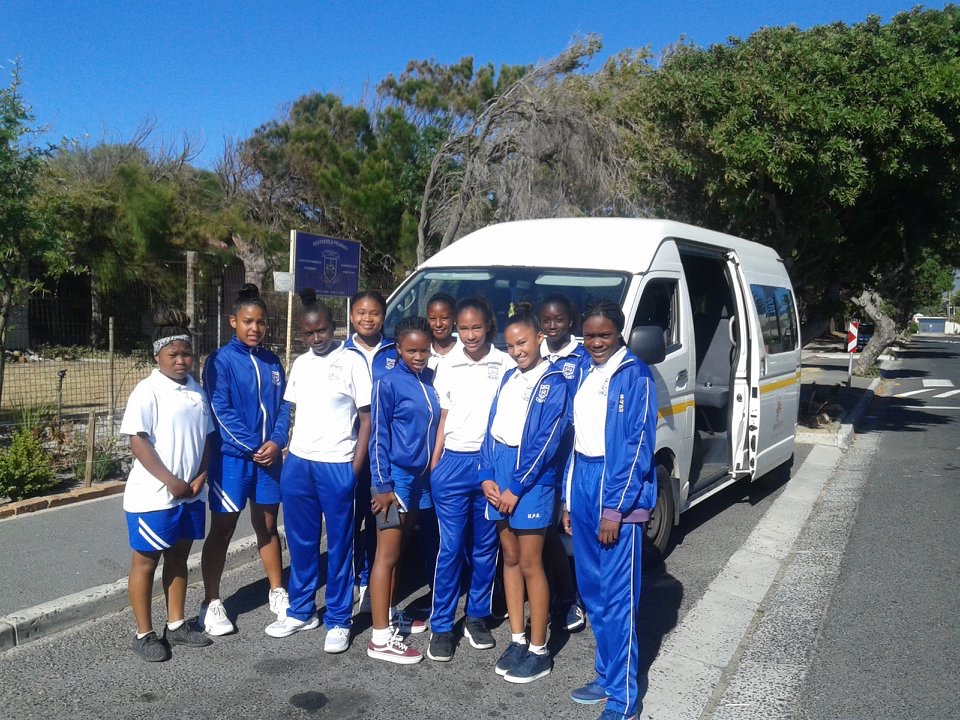
One of the organisation’s proudest moments came in 2016 when Westminster Under School in London raised funds for a 14-seater Toyota Quantum – a vehicle that became the beating heart of the programme.
“That van has transported countless children to practices, matches, and tournaments they otherwise would have missed,” says Andrew. “Without it, hundreds of fixtures would simply not have happened.”
But sustaining this vital service has become increasingly difficult. Rising fuel costs, maintenance fees, and the need for more sports gear have stretched their resources thin.
“Right now, we’re in urgent need of support to keep the vehicle running and ensure no child misses their shot at playing,” he adds.
In June 2025, Andrew launched a crowdfunding campaign on BackaBuddy, aptly titled ‘The Power of Sport’, to raise R250,000 for kits, equipment, and vehicle maintenance. So far, 10 donors have contributed R5,783.50, but the journey ahead remains long.
Yet Andrew remains hopeful.
“Every small donation truly helps,” he says. “A cricket bat or soccer ball might seem small, but for a child who’s never owned one, it means the world.”
Sport as a Lifeline for Mental Health
Beyond the physical benefits, Andrew believes sport has the power to nurture mental well-being and community belonging – something especially vital for South African youth.
“Sport gives kids a purpose, a sense of identity,” he explains. “It keeps them off the streets, away from dangerous paths, and helps them believe they belong to something bigger than themselves.”
He recalls one story that has stayed with him over the years: a young boy named Nathan, who received a scholarship to attend Plumstead High School through sport4kids.
“Nathan was sport-crazy and full of potential,” says Andrew proudly. “Today, he’s involved in coaching and giving back to other young athletes – proof of how the ripple effect of opportunity can change lives.”
For Andrew, these moments make every challenge worth it. “When a parent comes up to you after a match, with tears in their eyes, thanking you for believing in their child – that’s when you realise this work matters,” he says.
The Future: Building Champions On and Off the Field
Looking ahead, Andrew envisions a thriving network of empowered children and communities who see sport not as a luxury, but as a right.
“In ten years, I hope sport4kids will be bigger, stronger, and reaching even more schools across South Africa,” he says. “I don’t ever want to see another talented child sit out simply because they couldn’t afford to play.”
He also expresses deep gratitude to those who have already supported the cause.
“We’re incredibly thankful to everyone who’s donated and cheered us on thus far,” he says. “You’re not just funding sport – you’re giving kids hope, structure, and a reason to dream.”
As Nelson Mandela once said, “Sport has the power to change the world.” For Andrew Russell and his team, those words aren’t just a quote – they’re a calling.
Keeping the Power of Sport Alive
For many children in Cape Town, sport4kids isn’t just about games – it’s about belonging, confidence, and healing. The organisation’s impact extends far beyond the playing field, fostering community, inclusion, and positive mental health.
Through his BackaBuddy campaign, Andrew hopes that more South Africans will recognise how even the smallest act of generosity can spark enormous change. “It doesn’t take a lot to make a difference,” he says. “Every bit counts – and together, we can keep the power of sport alive.”
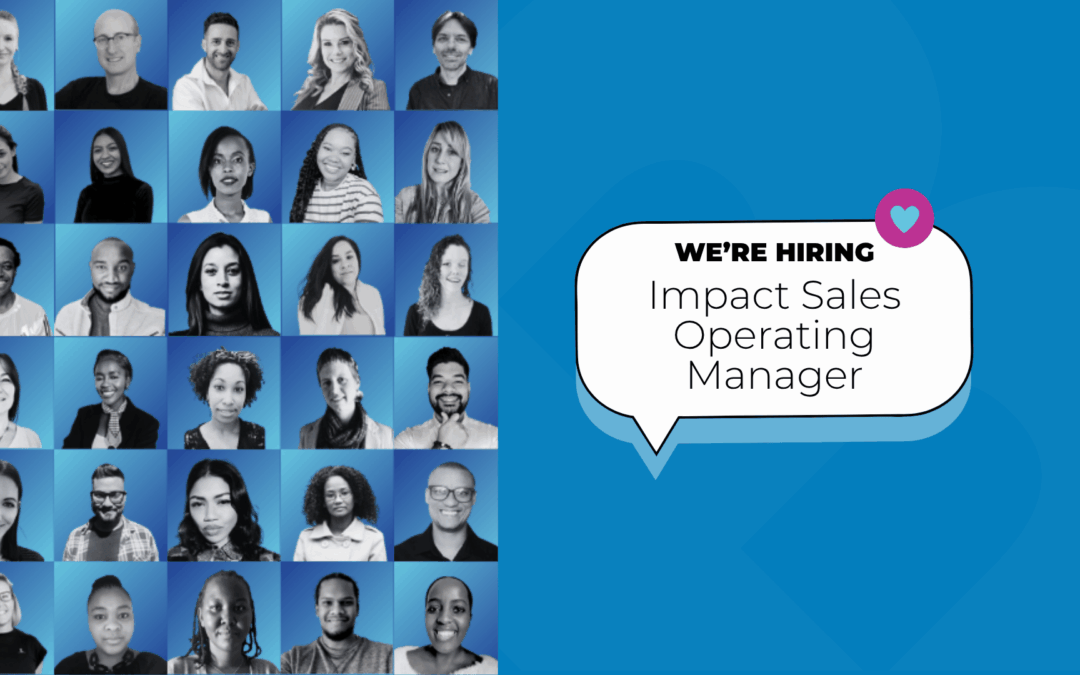
Location: Remote / Cape Town preferred Level: Manco Salary: Depending on experience between R60 000 to R80 000 per month Reports to: Chief Growth Officer (Exco – Catherine Swanepoel) Start date: Q1 2026
About BackaBuddy
If you are a high-performance sales team manager who has successfully delivered in leading a distributed team of sales agents using significant integration of CRM toolkits AND you want to engage those skills for nation-wide purpose-driven impact, then you’re the right person for this position.
We are BackaBuddy. We’re the leaders in our field of crowdfunding. Our target, to be the leaders in Africa, and we’re building the team to achieve it. Every month, we enable 1,000s of people and organisations to raise the funds they need from 10,000s of people. We are looking for ‘the’ person who will operationally lead the impact sales team as we target 10x impact growth over the next 3 years.
Role Overview
The Impact Sales Operating Manager will lead the sales function implementation — build the internal team and the structures that empower an external volunteer army of fundraisers to succeed.
It is a highly operational leadership role, reporting directly to our Chief Growth Officer (CGO) at Exco level. You will work closely with the CGO to co-develop the growth strategy and take full ownership of its implementation across the department.
What makes this role unusual is that your internal team of 8–9 people will only be the core of traditional sales to fundraisers — beyond this, your job is to support, equip, and activate 1000s of external fundraisers (mostly individuals) who each act as their own dedicated sales agents for their campaigns during short, high-intensity fundraising windows.
In many ways, this structure is similar to straight commercial sales models:
Insurance agency models (central team supporting independent agents)
Real estate group models (central team supporting individual agents)
Airbnb hosts (a central platform providing toolkits to support hosts)
Key Responsibilities
Strategic Implementation and Leadership
Partner with the CGO to set and execute quarterly and annual sales/growth objectives.
Translate vision into measurable plans, OKRs, and team accountability frameworks.
Lead the sales/growth function with a focus on scalable systems and performance outcomes.
Internal Team Management and Cross-functional Alignment
Lead and align the Charities, Portfolio Management, and Campaign Success teams to deliver exceptional support for thousands of active campaign creators.
Foster collaboration across marketing, tech, and customer success to streamline campaigner experience.
Build a culture of learning through feedback loops and shared knowledge.
Equip an ‘army’ of 1,000s - develop Systems, Toolkits and Knowledge Infrastructure
Develop scalable toolkits, playbooks, templates, and automations that drive campaign success.
Design and test resources to maximise fundraising results within the key 3-week campaign window.
Reporting and Performance Management
Establish dashboards and reporting to track performance, success rates, and bottlenecks.
Deliver regular performance insights and improvement recommendations to senior leadership.
Ideal Candidate Profile
Skills and Experience
5+ years in sales operations, growth, or channel management, ideally leading distributed teams or partner networks.
Skilled in building scalable enablement systems (toolkits, playbooks, training).
Proven leader with strong KPI delivery and cross-functional collaboration.
Experience in platforms, marketplaces, or fundraising environments is a plus.
Proficient with CRM (Zoho), project management, and reporting tools.
Mindset and Attributes
Purpose-driven, empathetic, and passionate about people-powered impact.
Systems thinker who thrives on scale, structure, and rapid execution.
Blends strategic vision with hands-on leadership.
Understands that sales is storytelling — inspiring belief and action.
Why Join BackaBuddy?
This is an opportunity to help tens of thousands of campaigners raise funds for what matters most to them — while shaping the systems and team that support them. You will operate at the heart of a platform where real-world impact happens fast, and your work translates directly into lives changed.
If you have led distributed sales networks, supported gig-economy workers, or enabled communities at scale — and you want your work to matter — this role was made for you.
How to Apply
To apply, please submit your CV and a cover video (with transcript) telling us why you think you're 'the one we need' to [email protected].
Why We Love What We Do
“At BackaBuddy, we believe people are most powerful when we work together. That’s the heart of your role — to enable thousands of individuals and organisations to turn compassion into funds raised. You’ll create toolkits that guide, support, and advise campaign creators as they launch their fundraisers, run them effectively, and raise the funds they need for what truly matters in the world. Your work will empower everyday people to make extraordinary change”
Patrick Schofield, CEO
“We’re at a point where structure meets soul — where operational excellence unlocks human potential. If you love building systems that empower others to succeed, and you care deeply about the ‘why’ behind the work, this is where you’ll thrive.”
Catherine Du Plooy, CGO
“I’ve been at BackaBuddy for almost 9 years. It’s incredible to be a part of a company that allows you to have a positive impact on the lives of the people around you, as well as the wider world. One of the things I am most proud of at BackaBuddy, is our warm, friendly and respectful work culture, that will allow you to grow both personally and professionally.”
Zane Groenewald, Head of Campaign Marketing and Strategy
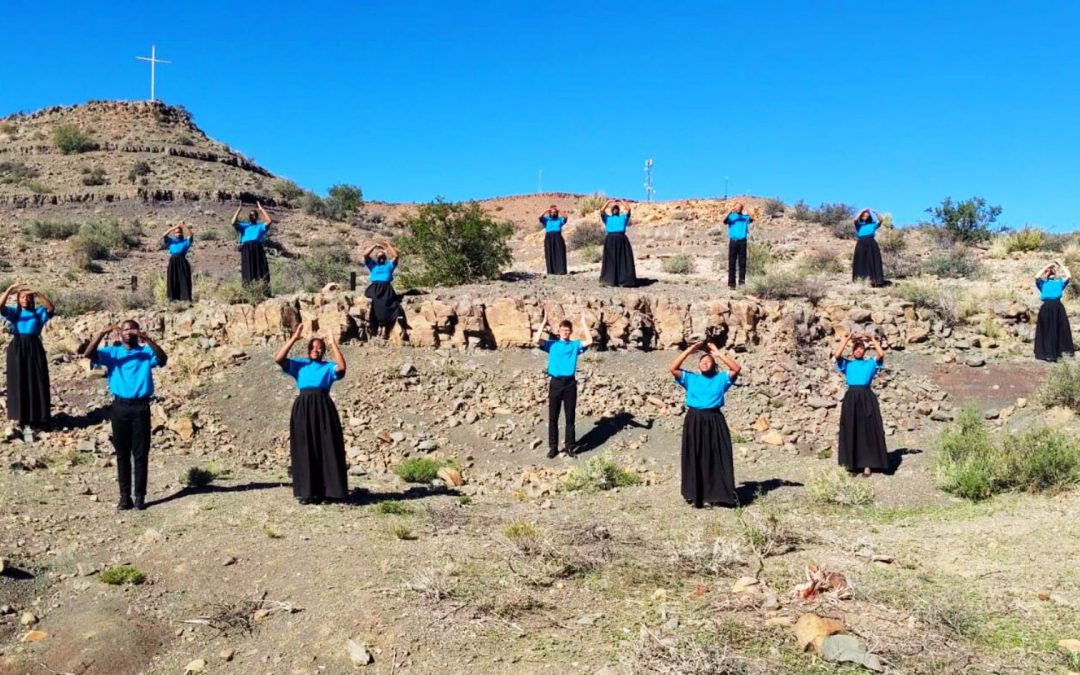
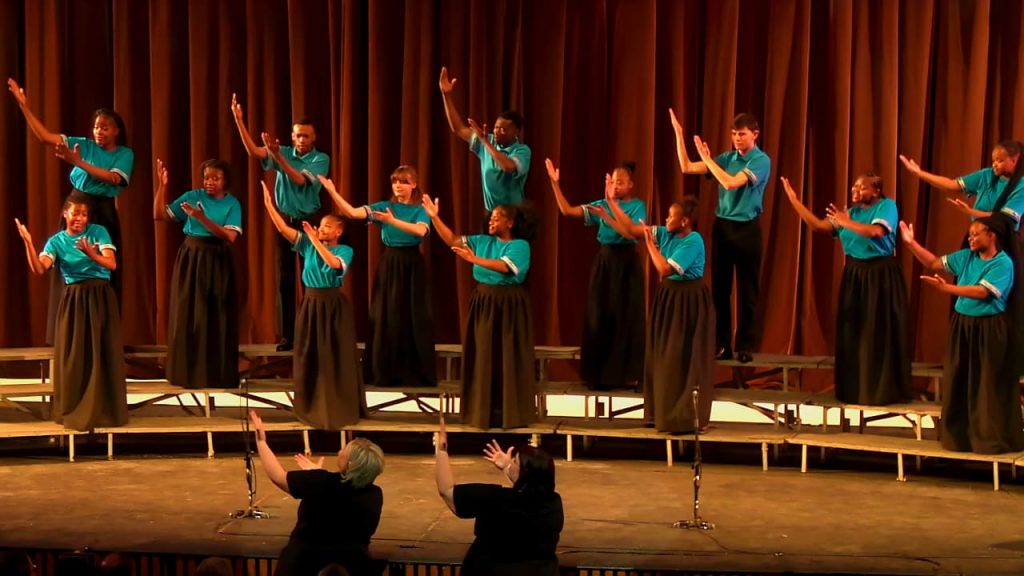
Transoranje School for the Deaf, nestled in Pretoria West, Gauteng, is home to an extraordinary group of young people who are showing South Africa, and the world, that music is not confined to hearing. The school’s Hands of Harmony Choir, made up of profoundly Deaf learners, recently completed a life-changing Karoo tour spanning five provinces and more than 3,000 kilometers, leaving audiences inspired and eager for more.
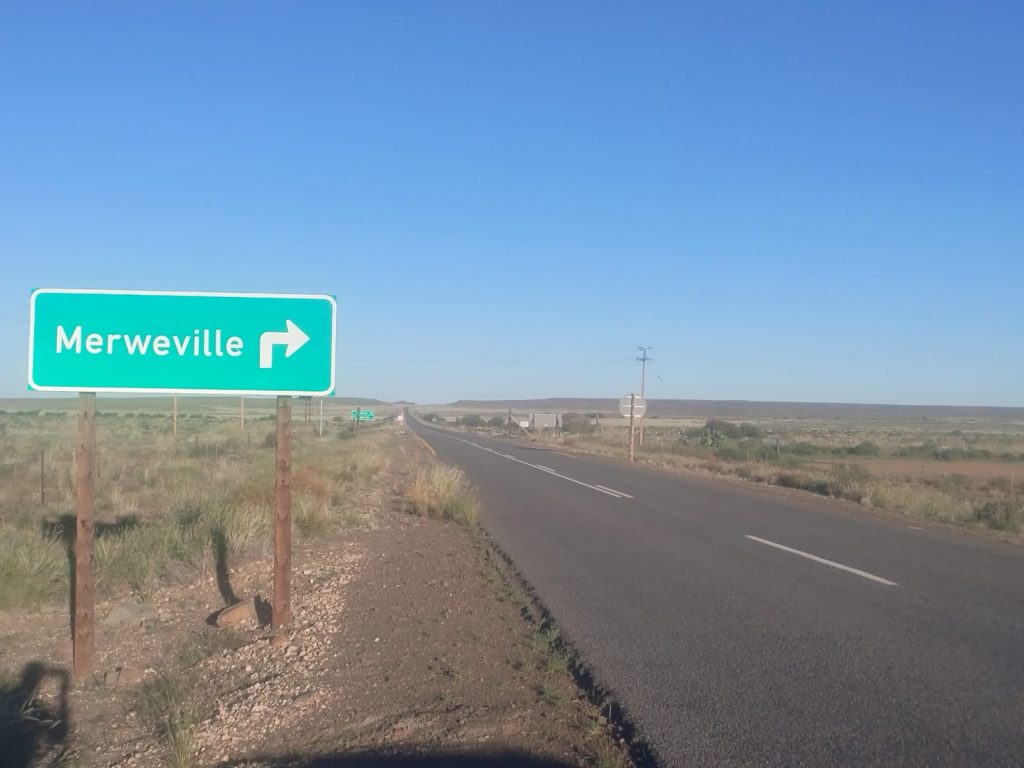
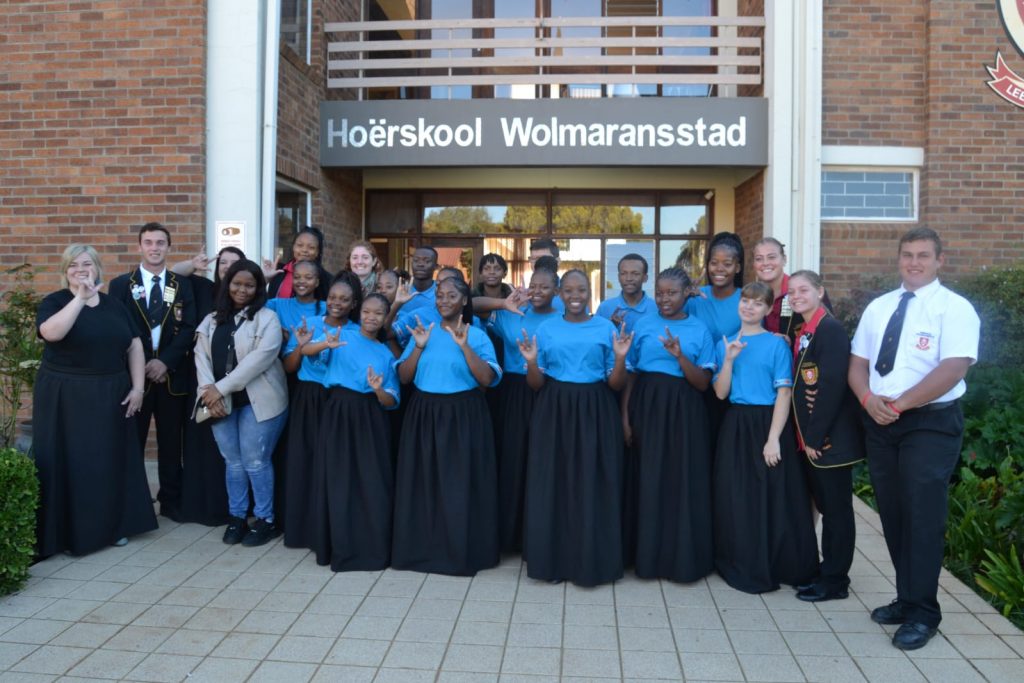
The tour saw the choir performing in towns such as Sutherland, Merweville, Bloemfontein, Kimberley, and Wolmaransstad, with their main highlight being a moving performance at the Merweville Dankfees in the heart of the Karoo.
Everywhere they went, they were met with standing ovations. Audiences, many of whom had never experienced music visually before, were astonished as songs were interpreted into South African Sign Language (SASL), rhythms were felt through vibrations, and stories were told with hands, faces, and spirit.
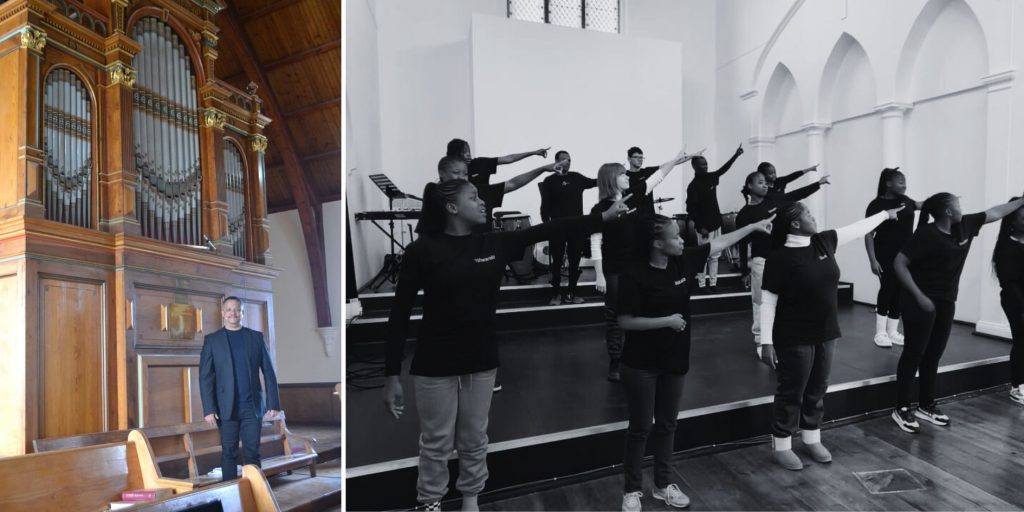
For the learners themselves, the journey was equally transformative. They discovered the power of vibration through church organs that shook the wooden floors beneath their feet, or the deep hum of motorbikes at the Bloemfontein Bikers Club. They marveled at natural wonders like the Gariep Dam’s rainbow spray when the sluice gates opened, the Kimberley Big Hole, the giant wind turbines, and even the magic of the night sky at Sutherland’s planetarium. For many, these were first-time experiences, as unforgettable as the performances themselves.
As one choir member explained: “I feel the rhythm through the floor and speakers, and I watch my conductor’s hands, body movements, and facial expressions.”
How the Deaf community creates music
To many, the idea of a Deaf choir may sound impossible. But at Transoranje, music is about more than sound, it’s about connection, presence, and creativity.
The learners use vibrations as their compass. Deep bass and organ notes resonate through floors and walls, allowing them to physically “feel” rhythm. Their conductors, Megan Bester and Carmen Bredenkamp, guide them visually through expressive gestures, facial cues, and body movements. Lyrics are translated into SASL, making each performance a blend of language, rhythm, and storytelling that bridges Deaf and hearing audiences.
Music collaborator Rudi van Wyk, who toured with the choir, describes the experience as life-changing:
“Deaf people do not want to be defined by their hearing ability, they live full, normal lives, with the same hopes, dreams, and needs as anyone else. This journey changed the way I see music, communication, and the power of human connection.”
Rudi shared how everyday environments became part of the music: the pulsing vibrations of motorcycles, the rushing water at Gariep Dam, even the silence of the Karoo night sky, all woven into a sensory tapestry the learners could experience. “Waar Stilte Sing (Where Silence Sings) showed us that rhythm can be felt, dynamics can be seen, and music is truly a universal language,” he said. “Waar stilte sing” was composed by Prof. Theo van Wyk from the University of Pretoria, with lyrics by Rudi van Wyk. Prof. Van Wyk is a leading South African organist and composer, known for bridging tradition with innovation. They were inspired after realising that Transoranje learners experienced the powerful vibrations of the organ. This moment sparked the vision to write a composition built on sound that can be felt as well as heard, allowing Deaf learners to fully share in the music. Rudi’s lyrics capture the vast Karoo landscape and its silent beauty. The work was premiered and officially released for the first time on the Karoo Tour.
Lessons for audiences and learners alike
One of the most moving elements of the tour was watching how audiences engaged with Deaf culture for the first time. Instead of clapping, crowds quickly learned to raise their hands in the traditional Deaf way of showing praise. Children in the audience asked questions about SASL, eager to try their first signs. Concerts became moments of dialogue and awareness, not just entertainment.
Audiences were struck by the learners’ confidence and joy. Many said they had never seen music come alive so visually, and they left with a deeper appreciation for Deaf culture. They learned about traditions like sign names. This is where the Deaf community gives a specific “name” according to a physical feature that stands out to them from the person, as names are not finger spelled. This is a special gift as it can only be given by the Deaf community. They also saw that Deaf children’s lives, hopes, and dreams are no different from anyone else’s.
For the learners, the tour was just as enriching. They gained confidence, teamwork, and stage presence, learning to adapt to long travel days and packed schedules. Teachers reflected that the learners returned with a stronger sense of identity and pride: proof that “Deaf can”.
A campaign to keep the music alive
The success of the Karoo tour has sparked a renewed dream: to take the choir on a second regional tour in 2026 while also ensuring they can perform throughout the year at festivals, Deaf Awareness Month events, and community concerts. To make this possible, the school has launched a revamped crowdfunding campaign on BackaBuddy.
Their target is R55,000, which will cover essentials such as:
Transport and tolls – R16,000
Meals and catering – R10,000
Accommodation – R5,000
Performance wear and uniforms – R9,000 total
Festival entry fees – R5,000
Other performances across the year – R9,000
During their first campaign, the choir raised R12,400 from 8 generous donors, funds that helped make their Karoo tour possible in 2025. With additional in-kind sponsorships and donations, they stretched that budget to cover essentials like travel, food, and even a much-needed bass speaker. Now, as they look ahead to their next dream, a regional tour planned for 2026, the school has set a new target of R55,000. At present, fundraising for this upcoming goal has yet to begin, making community support more vital than ever.
As the school explains: “This is about more than another tour, it’s about creating opportunities for our learners to showcase their talent, share Deaf culture, and inspire communities across the country.”
More than music
For Hands of Harmony, music is not simply performance, it is identity, advocacy, and hope. Through every song, they remind audiences that Deaf culture is rich, proud, and full of talent. They show that inclusion is possible, that art transcends barriers, and that silence can indeed sing.
By supporting their campaign, South Africans can ensure these young performers continue to grow in confidence, explore the country, and prove that “Deaf can.”
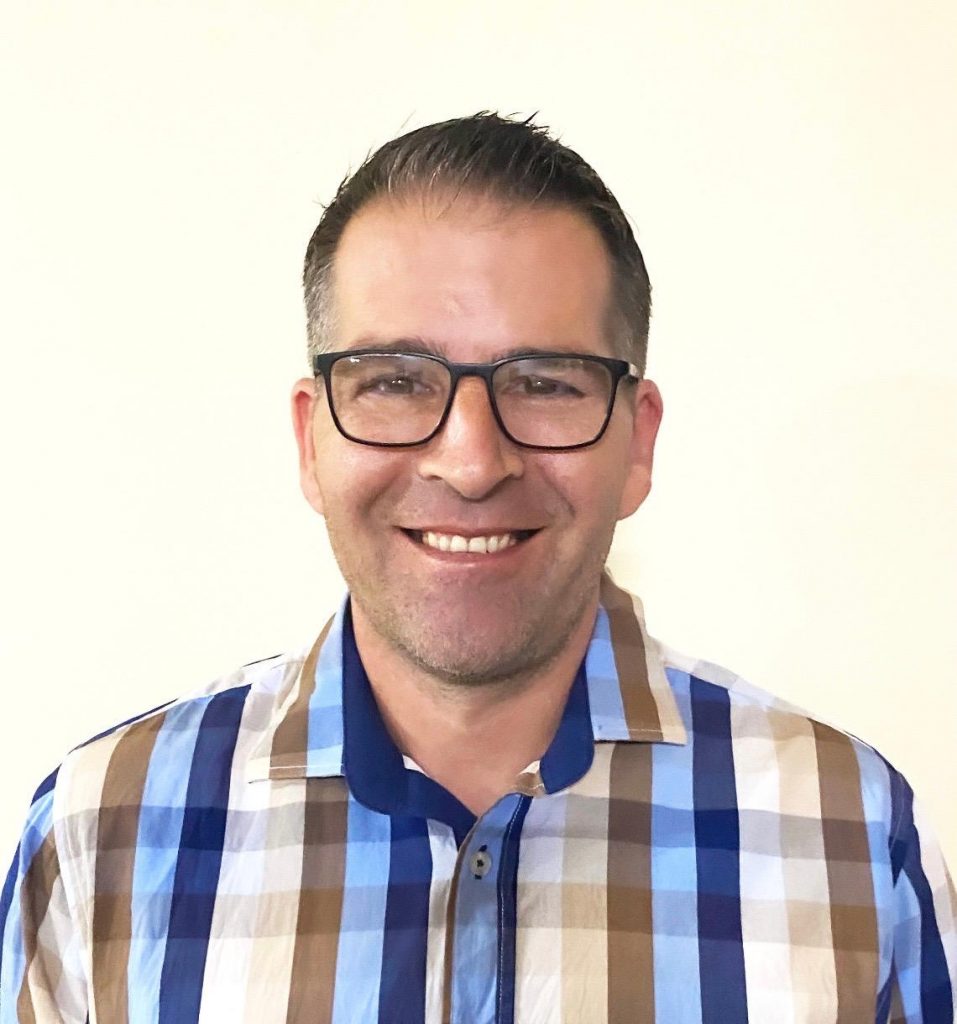
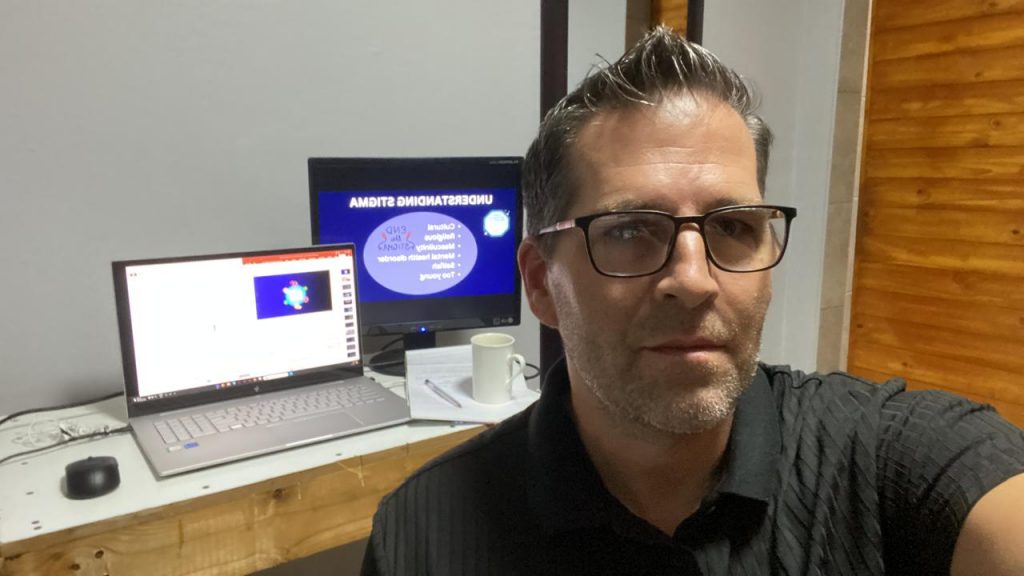
The 10th of September—World Suicide Prevention Day—South Africa must face a crisis we often avoid. Lino Muller(49), CEO of SafeTalk, is asking us to answer with compassion and action: training teachers, parents and community leaders to spot warning signs, ask brave, caring questions and connect people to life-saving help. By prying open the silence, he’s starting a healing movement where children can speak and adults feel equipped to hold the big, scary word “suicide” with steadiness. To keep this work moving, he’s launched a community crowdfunding initiative so that the hope that SafeTalk delivers to so many can keep moving forward.
The person behind SafeTalks
Lino speaks English, Afrikaans, German and conversational Sesotho, shaped by a life moving between South Africa, Lesotho and Austria. He keeps grounded with exercise, connected breathing and quiet reading—but what steadies him most is the courage he witnesses in ordinary rooms.
“Every session becomes an ‘aha’ moment,” he says. “People who have hidden their pain for years finally feel safe to speak.”
Twenty-five years ago, Lino’s brother died by suicide—an experience that taught him how stigma fuels silence.
“One of the strongest myths around suicide is that it’s selfish,” he reflects. “In reality, it’s the opposite. People who reach that point often believe their loved ones would be better off without them.”
Determined to change this narrative, Lino founded SafeTalk(2024) in Johannesburg, Gauteng, drawing on international best practice while tailoring the content to South African realities where resources are scarce and the need is great. SafeTalk’s focus is practical: awareness, anti-stigma education, and community training that equips ordinary people to notice distress, open a safe conversation, and connect someone to professional care.
What does a SafeTalks Workshop look like?
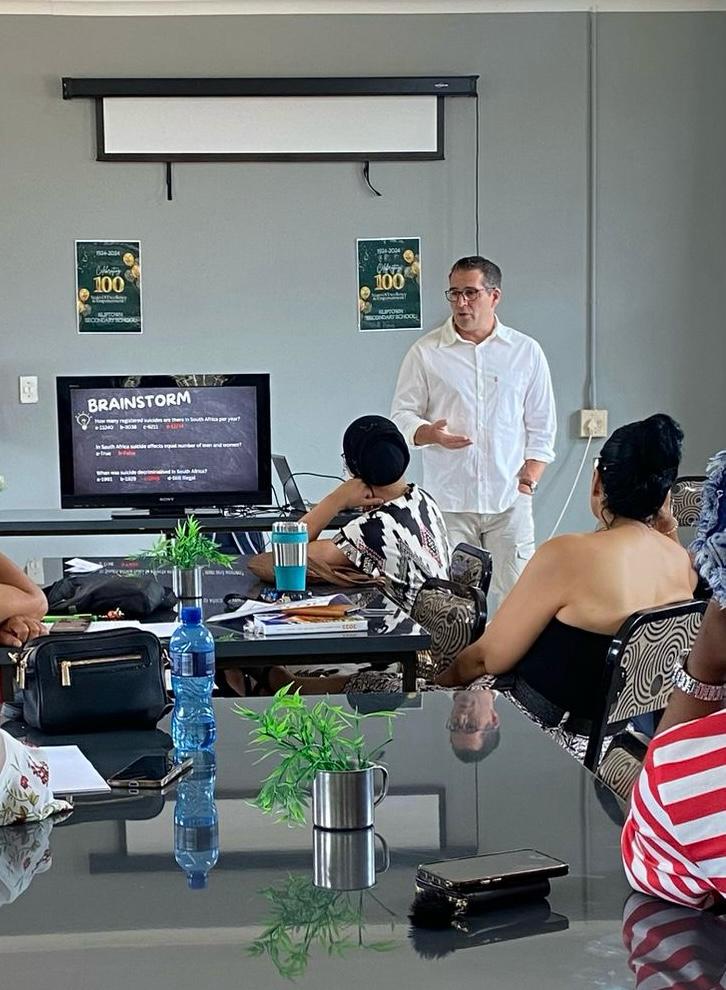
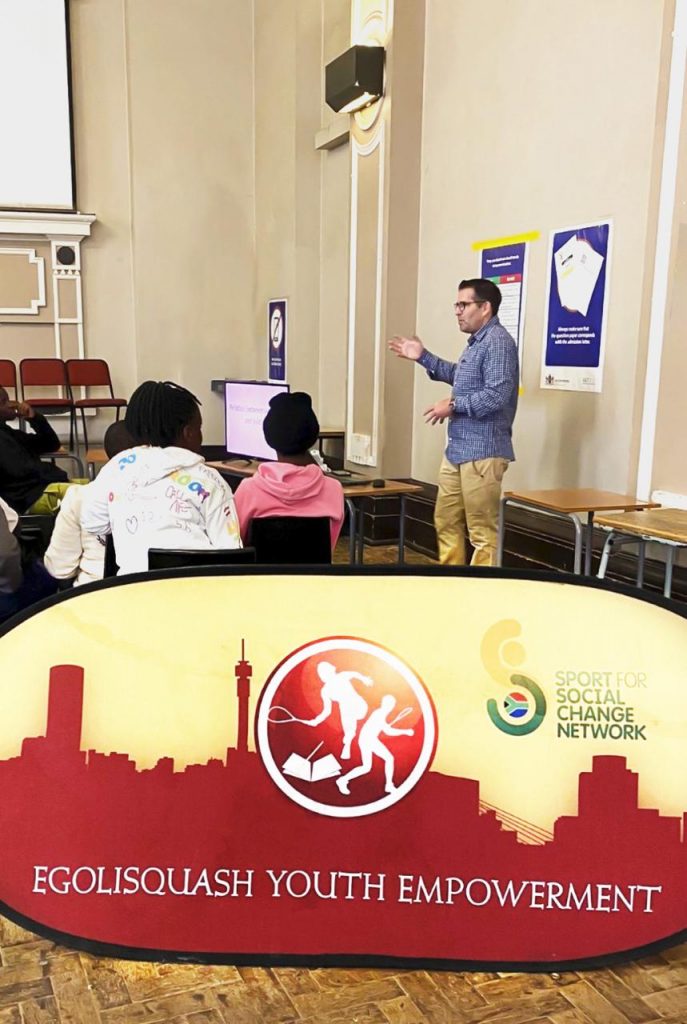
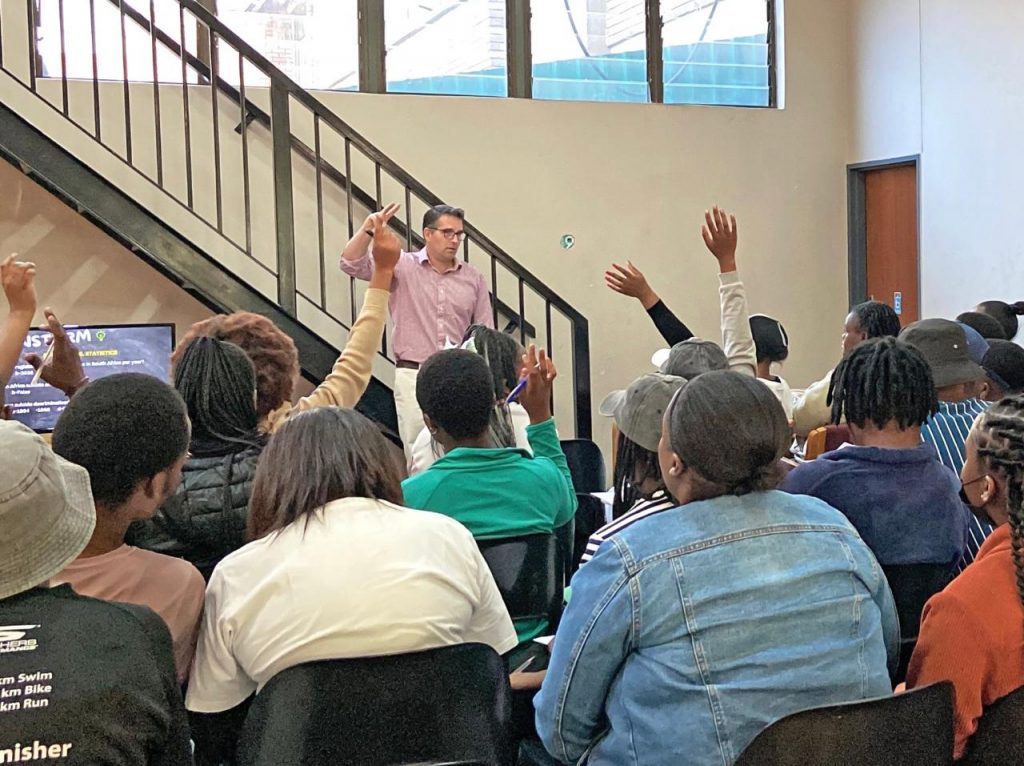
Inside a three- to four-hour SafeTalk workshop, participants practise how to ask directly about suicide in a safe way, listen without judgement, and guide a person to support.
“People leave feeling more confident to recognise the signs,” Lino says.
At a large primary school, a principal assured Lino there were “no mental-health issues” because discipline was strict. Lino invited 200 learners to stand, then to sit if a statement resonated: Have you ever gone without food? Do you have problems you can’t talk about? Do you feel ashamed sharing your struggles? By the third question, every learner was seated. He then asked them—anonymously—to write one thing they would never tell anyone. As he read a handful aloud, the room heard stories of self-harm, anxiety, depression and suicidal thoughts. The principal wept. In private, she thanked Lino and said her approach would change. It was a stark, compassionate awakening: even where adults believe “there are no problems,” young people are carrying heavy, hidden burdens. SafeTalk exists to make those burdens visible—and bearable—by giving communities safe language, clear steps and real pathways to support.
Why the work of SafeTalks is so important
Official figures suggest around 14,000 South Africans die by suicide each year—already a national emergency—and frontline experience shows many cases go unreported. The pain isn’t confined to teens; middle-aged adults are increasingly at risk too, often under the same roof. That’s the hard truth. The hopeful truth is just as real: when even one trained person is present in a school, clinic or workplace, the chances of someone reaching out rise dramatically. SafeTalk’s three-to-four-hour workshops turn fear into readiness—so the next time a learner whispers “I’m not okay,” someone nearby knows what to do.
“World Suicide Prevention Day is about more than awareness,” he says. “It is a call to end the silence, to see each other fully, and to create communities where no one feels invisible in their pain.”
SafeTalk is based in Johannesburg but also runs online workshops nationwide and travels where resources allow, ensuring access for communities that rarely receive specialised training, and in turn hope for those who didn’t know speaking out was ok.
What R150,000 makes possible
Lino has carried roughly 98% of costs himself to date—training sessions, support groups, transport, venues, even borrowing equipment—because the need outpaced the funding. The BackaBuddy campaign seeks R150,000 to keep doors open and widen the circle of care:
Training for teachers, parents, community leaders (and, as resources grow, nurses and police).
Educational materials & awareness that reduce stigma and spread simple, lifesaving steps.
Outreach to under-resourced and rural areas where help is scarcest.
Dignity support—food, clothing and care—so conversations about mental health can land where stomachs aren’t empty.
Every rand turns into seats in a room, pages in a hand, fuel in a car, and—most importantly—confidence to speak out. As of now, early donors have contributed, and the gap to the goal is where you can make the difference.
A word from the CEO of LifeTalk himself
When we asked Lino what he would say to someone who felt like a burden he replied:
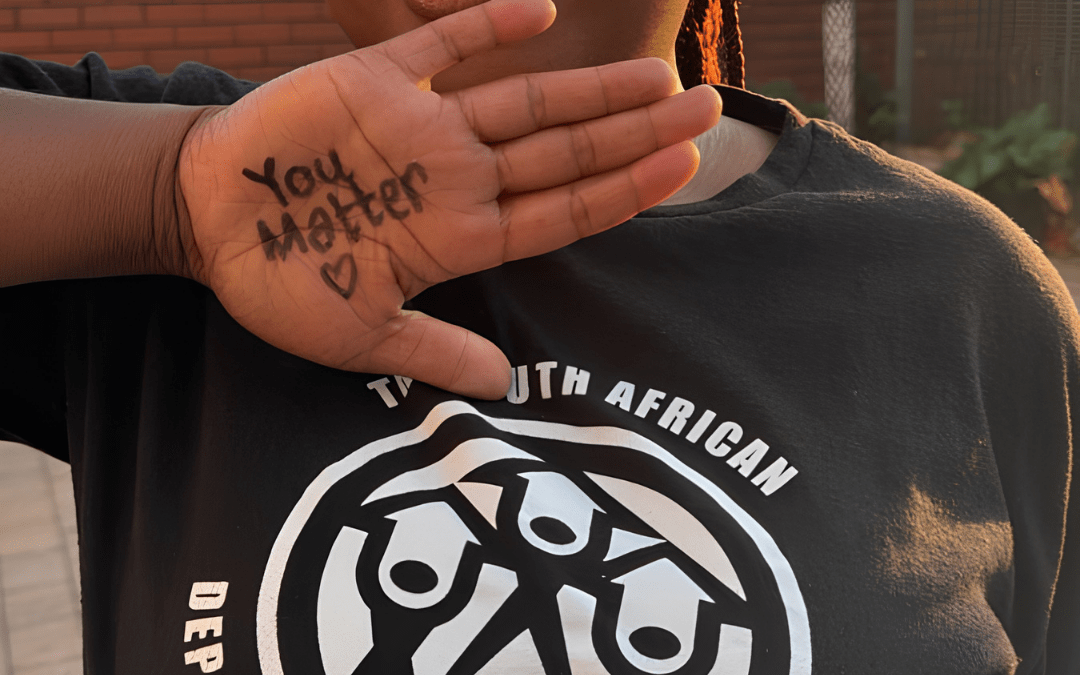
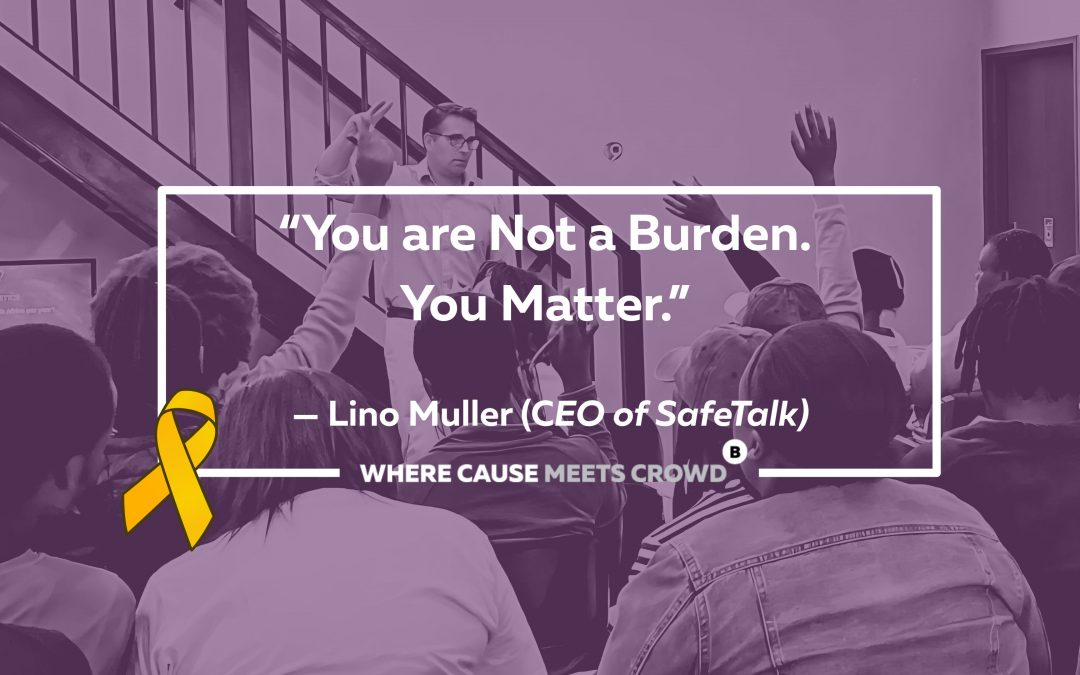
“You are not a burden. You matter. You’ve been carrying something heavy alone for too long—please reach out. One small step, one conversation, can start to lift that weight.”
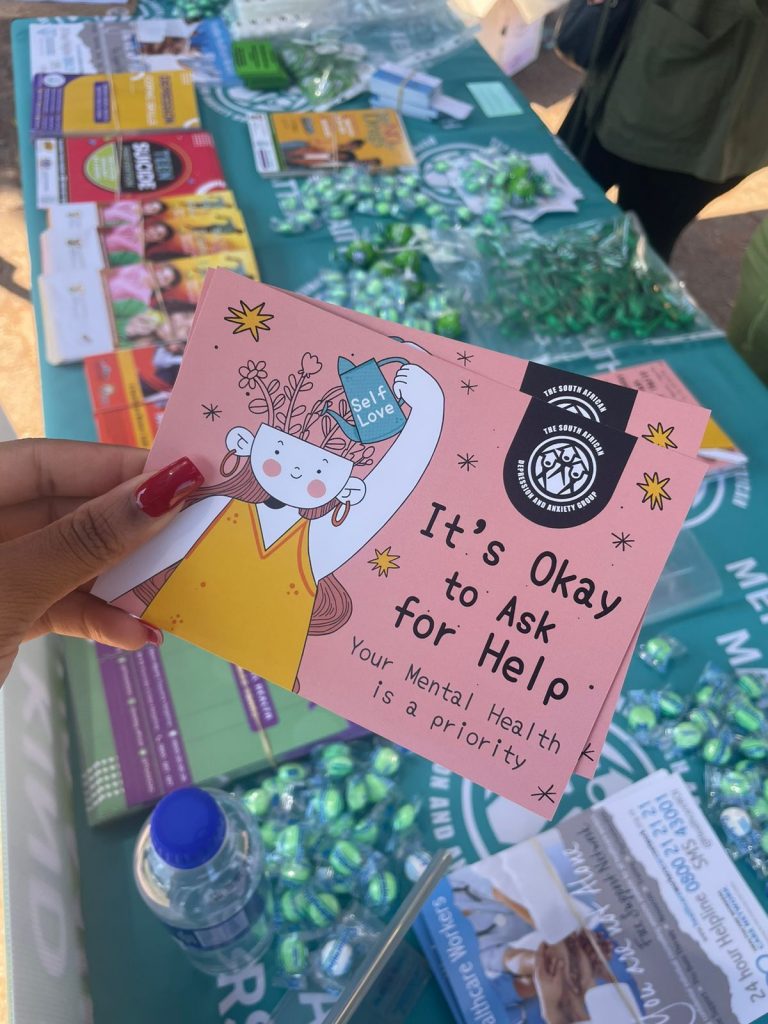
For families, peers and colleagues, his advice is practical: show up, listen without judgement, check in again tomorrow, and help connect a person to care. Immediate Support For immediate support, South Africans can contact the SADAG Suicide Crisis Line on 0800 567 567, or WhatsApp 076 882 2775 / 087 163 2030. With steady backing, SafeTalk plans to complement these services with its own call-centre capacity to meet growing demand.
Conclusion
A once-off or recurring donation means more schools reached, more adults equipped, more children heard before harm. But the movement is bigger than money. Hope starts with one conversation: today, ask your classmate, your colleague, the shop attendant, the woman waiting for a taxi, “How are you—really?” A simple question can provide hope and maybe even save a life, because we are not meant to walk it alone. If you would like to book a workshop or find out more about SafeTalk, visit Safetalk.
Call to Action
Here’s how you can help today in 3 steps:
Share this story with friends, family and online communities.
Support with volunteer time, venues, printing, transport or food parcels.
Donate—every rand counts and directly powers training, support groups and outreach.