by Nikki Lincoln | Jul 31, 2026 | Organisation & Charity Fundraising Tips, Tips for using BackaBuddy
Whether you’re raising funds for a local community programme, an animal shelter, or a nationwide non-profit, building trust with your donors is the cornerstone of any successful crowdfunding campaign. On BackaBuddy, one of the most important ways to establish that trust and ensure your hard-earned funds are paid out without friction is by completing your organisation’s verification process.
If you’ve recently decided to register your organisation on BackaBuddy and are wondering what comes next, you’re in the right place. This comprehensive guide will walk you through exactly what documents you need and the steps you must take to get your charity verified.
Why Does Verification Matter?
Before we dive into the steps, it’s helpful to understand why verification is an essential part of the process. BackaBuddy’s dedicated team manually reviews every cause before payouts are processed. This process ensures the integrity of the platform, safeguards donors, and ultimately adds a layer of absolute credibility to your campaign.
When your organisation is verified, this verified status will be displayed on your organisation page, and all future campaigns your organisation creates will automatically carry that verified status. This shows donors that you are a legitimate, vetted entity ready to make an impact.
What Documents Do You Need?
To avoid any delays, it’s best to gather your documentation before you begin. For charities and non-profit organisations (NPOs), BackaBuddy requires a few specific items to confirm your identity and banking details.
Here’s exactly what you need:
- A Valid NPO Certificate: Official proof of your registration as a non-profit, such as such as a CIPC /NGO/NPO certificate.
- For Unregistered Organisations: A copy of your organisation’s constitution drafted and signed by the founder.
- Proof of Identity: A clear copy of the Identity Document, Passport, or Driver’s License of the founder.
- Proof of Bank Account: A Bank Confirmation Letter (ideally dated within the last 3 months) for the account where you want the funds sent.
A Step-by-Step Guide to Verifying Your Organisation
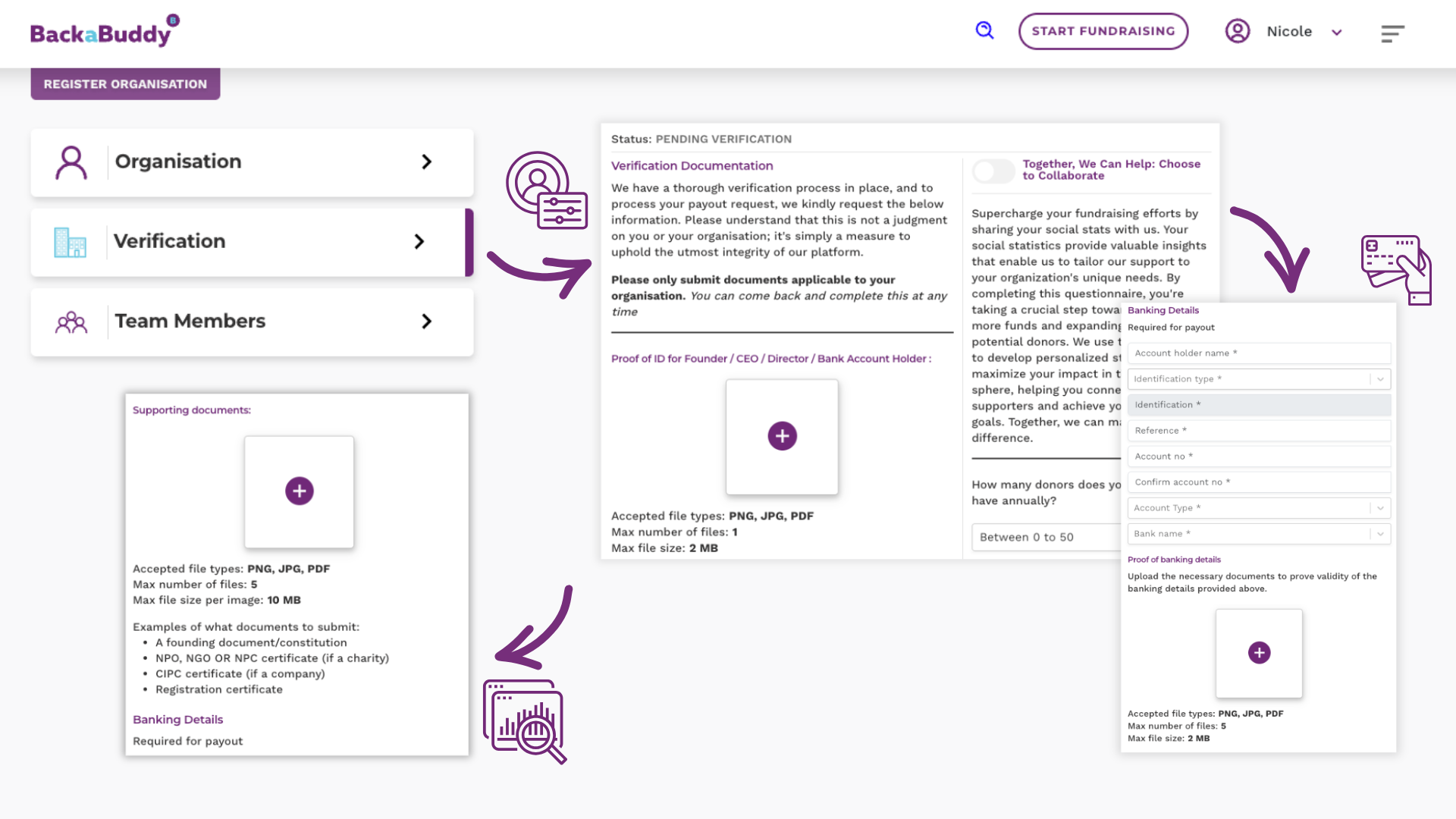
Once you have your documents ready, the actual submission process takes just a few minutes.
Step 1: Log in to your profile:
Head over to BackaBuddy and sign in to the account you used to register your charity.
Step 2: Navigate to your organisation’s profile:
Look at the main menu and click directly on your organisation’s name to open your dashboard.
Step 3: Access the Verification tab:
Within your organisation’s profile, find and click on the “Verification” tab.
Step 4: Upload your documents:
Here, you will be prompted to provide your essential identification and supporting documents (your NPO certificate, ID).
Step 5: Submit your Charity’s banking details:
Fill in your organisation’s bank account details and upload a recent Bank Confirmation Letter. Double-check that all account numbers are typed correctly and that the name on the Bank Confirmation Letter matches your organisation’s name or your founder’s name!
Step 6: Complete the optional questionnaire:
You will see a short, optional survey. Taking a minute to fill this out helps the BackaBuddy team better understand your crowdfunding needs and connect you with more supporters down the line.
Step 7: Save and submit:
Click “Save” to send your details straight to the BackaBuddy vetting team.
Next Steps
Once you hit save, your job is done! The BackaBuddy team will carefully review the documents and banking information you’ve provided.
An important note on timing: You can upload your documents at any point, but the vetting team will typically only review them after your campaign has received its first donation. Because banking verification is processed through their partner banks, you should allow 3 to 5 working days for your campaign to reflect as officially verified once the review begins.
If the team needs any additional information or references to validate your campaign, they will reach out to you directly.
Ready to Start Fundraising?
With the administrative side sorted, you can focus on what really matters: telling your story and rallying your community.
If you need inspiration, practical tips, or want to learn from other successful campaigns, be sure to explore BackaBuddy’s Blog, The Giving Lab. From crafting the perfect campaign story to mastering social media promotion, it’s packed with free resources designed to help your charity thrive.
by Nikki Lincoln | Jul 20, 2026 | Impact Updates, iPoint x BackaBuddy, Social Welfare Fundraising
What do you do when a natural disaster cuts your community off from the rest of the world, destroys your only access road, and completely freezes your income? If you are a “Klower” from the historic Gamkaskloof valley in the Western Cape, you don’t wait for a rescue team. You pick up a shovel.
Following devastating floods across the Western Cape, the isolated valley of Gamkaskloof (affectionately known as “Die Hel”) was left facing an astronomical recovery task. But what unfolded next is a masterclass in true South African resilience—and a powerful testament to how crowdfunding can bridge the gap between isolation and hope.
Moving Mountains by Hand
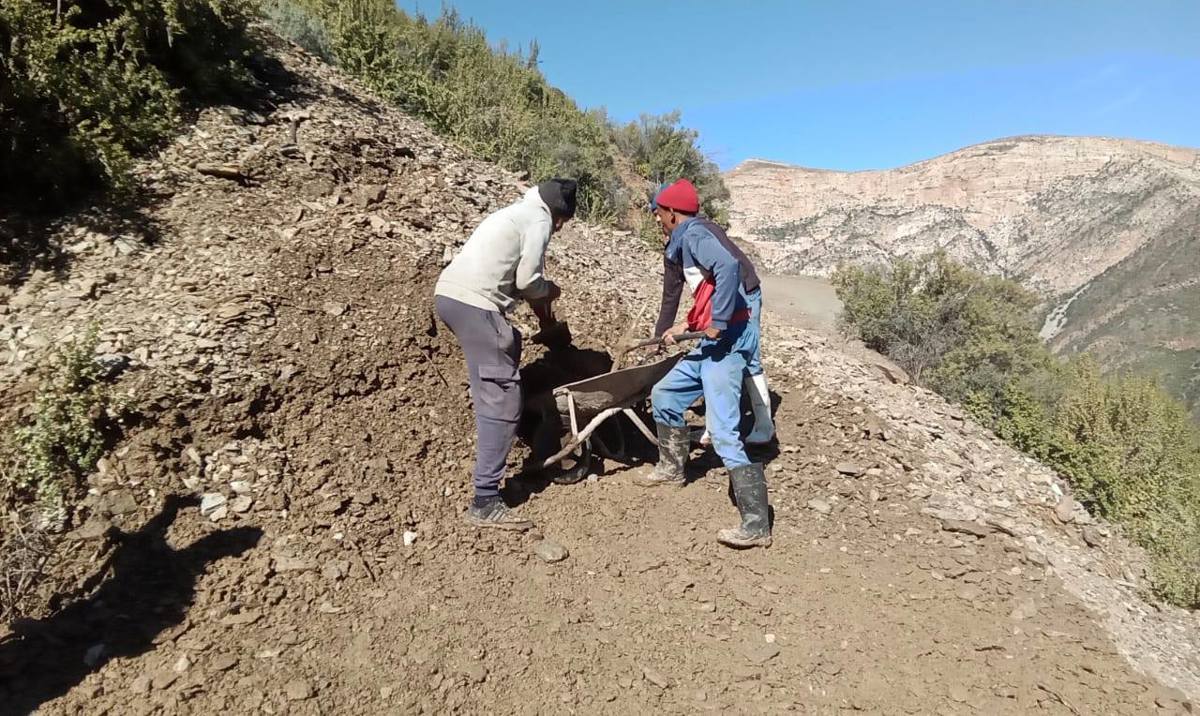
When the floodwaters receded, they left behind a trail of severe infrastructure damage. Massive rockslides completely buried vital sections of Elands Pass. Crossings were washed out, leaving deep, dangerous craters where roads used to be.
Faced with an impossible situation, Pieter Joubert and his team got to work.
Day after day, under grueling and dangerous conditions, they tackled the damage the only way they could: entirely by hand.
- The Process: Shovel by shovel, rock by rock, wheelbarrow by wheelbarrow.
- The Reality: What might look like simple gravel in photographs was actually tons of heavy rock and debris that had to be manually broken apart, moved, and leveled.
Through relentless determination, the team achieved milestones that many thought were impossible. Within days, they cleared the massive Elands Pass rockslide and successfully reopened approximately 17 kilometers of damaged road—from Fontein Guest Farm all the way through to the 25km marker at Kareekloof.
But as inspiring as manual labor is, it isn’t a long-term solution for a World Heritage Site.
The Turning Point: The Power of Collective Giving
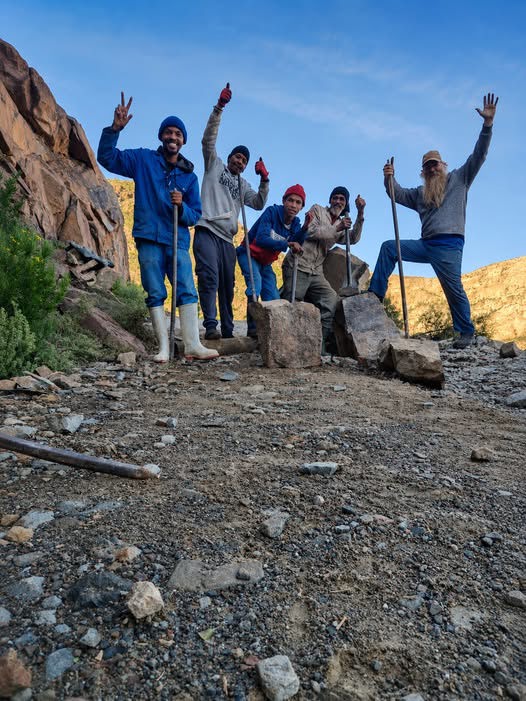
Long-term recovery in the valley is only sustainable if the community has heavy machinery permanently based there to handle future flood and road repairs. The goal was clear: they desperately needed a TLB (backhoe loader).
This is where the BackaBuddy community stepped in. Disaster relief isn’t just about massive organizations; it’s about everyday people rallying together to back human grit.
The campaign quickly gained momentum:
- The R36,000 Milestone: Early donations provided immediate morale boosts while work continued by hand.
- The R100,000 Breakthrough: Within days, a wave of generosity from across South Africa propelled the campaign past the incredible R100,000 mark.
This collective crowd power changed the entire trajectory of the project. Because of the funds raised on BackaBuddy, the Joubert family had the financial backing required to secure a loan and purchase the much-needed TLB machine.
The Road Ahead: Why the Journey Isn’t Over
The arrival of the machinery is a massive victory, but the battle is far from won. Pieter has opened the road as far as humanly possible by hand, but the remaining stretch toward Swartberg Pass requires heavy operational power.
The reality of disaster recovery is that it comes with a long economic tail:
- Zero Income: The valley has been isolated and completely without income for well over a month.
- Livelihoods to Protect: Despite having no revenue, the Joubert family is continuing to support their employees and the families who depend entirely on them.
- Ongoing Overhead Costs: Running a recovery operation requires an ongoing supply of diesel, tools, and equipment, alongside servicing the loan taken out to secure the TLB.
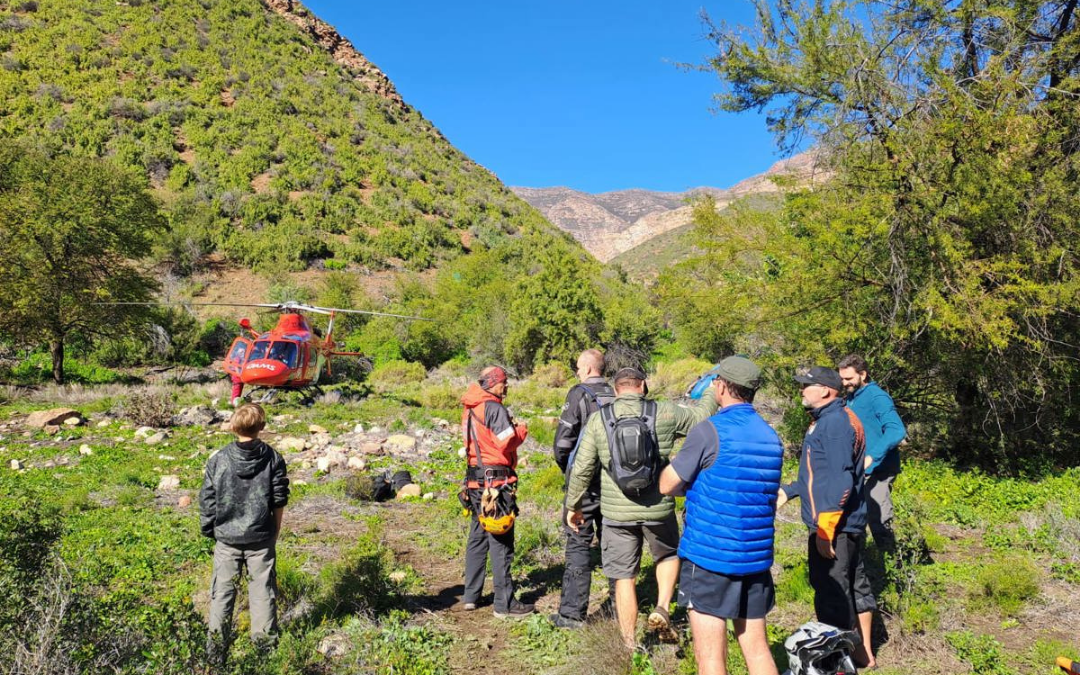
Yesterday, the valley welcomed its very first visitors since the floods—motorcyclists who entered to assess conditions and returned with vital groceries, medication, and animal feed. It was a beautiful reminder of what it means to be South African, but it also highlighted how much work is left to do to restore proper, safe access for everyone.
Help Keep Hope Alive in the Valley
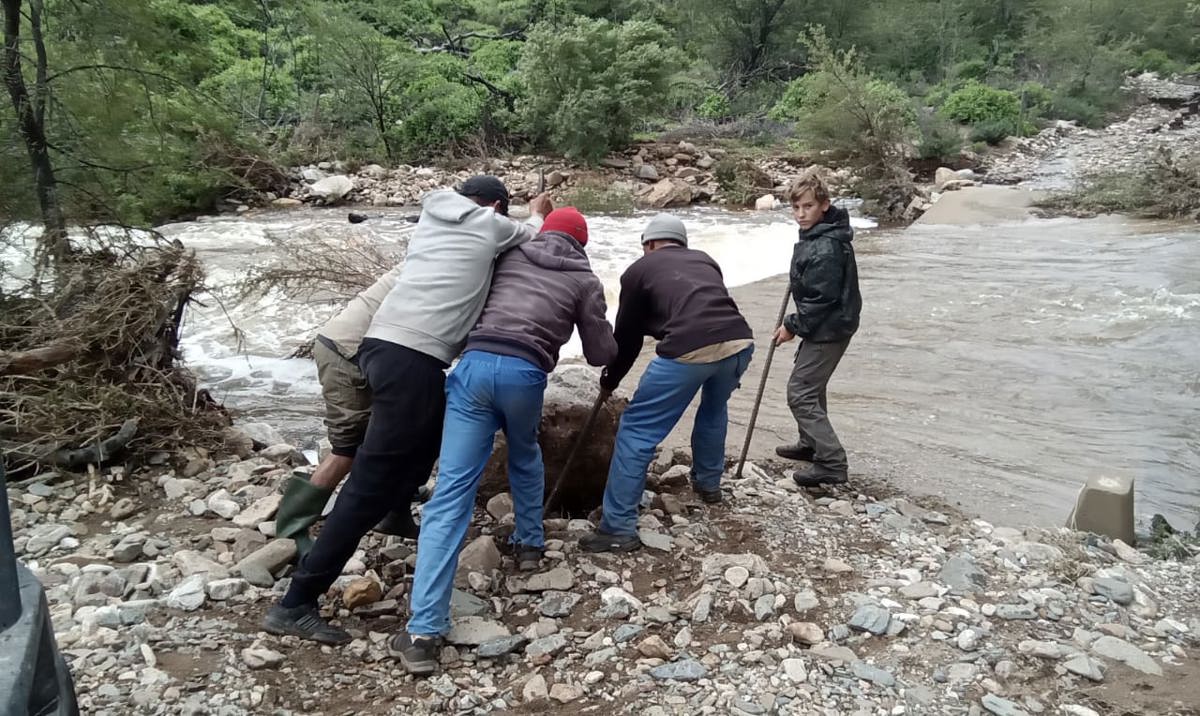
The Joubert family has pushed human effort to its absolute limit. Now, they need our digital community to help them cross the finish line. Every contribution helps cover ongoing operational costs, labor, and fuel to ensure this extraordinary part of South Africa is preserved for generations to come.
How to help:
- Donate to the Campaign: Every single Rand helps lighten the burden. You can contribute safely on their BackaBuddy Campaign Page. (Direct EFTs to the Fontein Guest Farm account with the reference “Donation” are also welcome).
- Share the Story: If you aren’t in a position to donate, please share this post or the campaign link. Word of mouth is a powerful tool—your share might just reach a business or individual who can assist.
Thank you to everyone who has stood by Gamkaskloof during this time. Together, we are keeping hope alive, stone by stone. 🇿🇦❤️
Want to follow their daily progress? Keep an eye on the BackaBuddy campaign page for live updates directly from the Joubert family.