by Tessa Van Rensberg | Feb 2, 2026 | Press Release
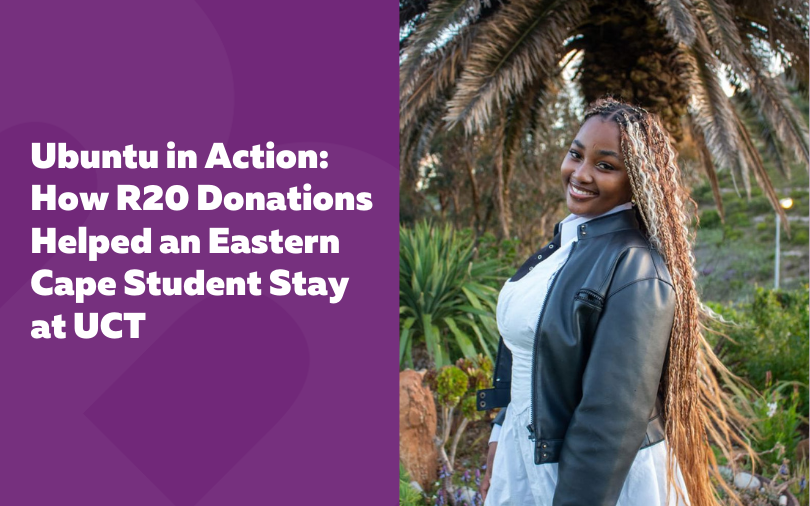
First-year Bachelor of Social Science student, Atenkosi, has launched a BackaBuddy crowdfunding campaign titled Help Atenkosi Stay at UCT – Every Rand Counts! to cover outstanding registration and residence fees that currently jeopardise her second year of study.
Despite working hard throughout her matric year to earn her place at UCT, Atenkosi now faces the risk of being unable to register due to debt on her student account. Without access to her end-of-year transcript, her academic progress could be paused, a situation familiar to many students from low-income households across South Africa.
Raised between Johannesburg and the Eastern Cape, Atenkosi says her childhood was shaped by change and responsibility at an early age.
“My childhood was a mixture of love and learning to adapt,” she says. “I learned to appreciate the little things and to never take education or support for granted.”
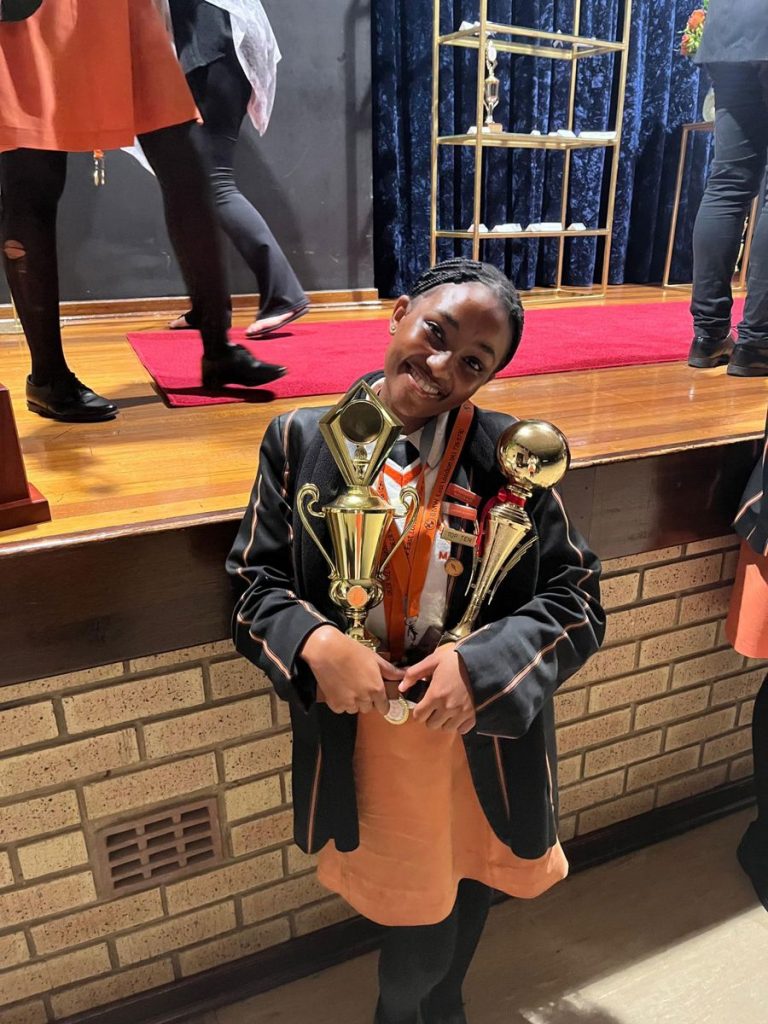
That mindset followed her into her final year of school, where long study hours and constant pressure eventually paid off. Receiving her UCT acceptance letter remains one of her most vivid memories.
“It felt like a deep exhale after months of holding my breath,” she says. “It wasn’t just my win, it belonged to my family too.”
A Family Focused on Education
Education has always been a priority in Atenkosi’s household, even when finances were stretched. Her mother has consistently placed her children’s schooling first, making difficult financial choices along the way.
Recently, Atenkosi learned that her mother has considered selling personal belongings to help cover university costs. “That moment stayed with me,” she says. “It made me realise how much this opportunity means to my family.”
Being the first in her family to attend university carries added weight. Atenkosi says that awareness shapes how seriously she approaches her studies and why continuing them matters so deeply.
When the Community Steps In
With limited options left, Atenkosi decided to take her story beyond her immediate circle. She shared her campaign across social media, reached out to companies and UCT alumni, and even went door to door in her community.
“I didn’t want to face this alone,” she says. “I just want the chance to continue my studies and see where this journey leads.”
What followed surprised her. Donations began coming in from people she had never met, some as meaningful as R20. “Seeing those amounts come through reminded me of Ubuntu,” she says. “Even small contributions made me feel supported.”
To date, more than 400 people have contributed to her campaign, showing how collective effort can add up when many give what they can.
“Every message, every donation, every share has helped more than people realise,” she says. “It reminds me that I’m not doing this on my own.”
To support Atenkosi Melisa Mzilikazi and help her continue her studies at UCT, visit her BackaBuddy campaign:
https://www.backabuddy.co.za/campaign/help-atenkosi-stay-at-uct-every-rand-counts
by Tessa Van Rensberg | Feb 2, 2026 | Press Release
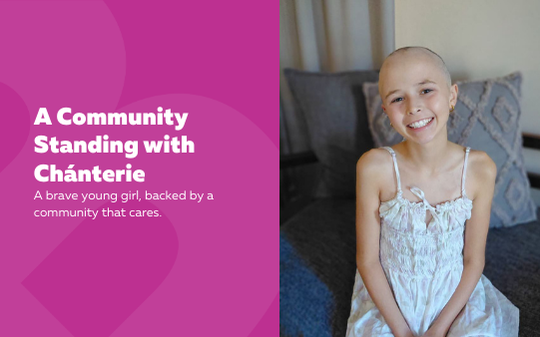
Chánterie van Rensburg, a 12-year-old Grade 7 learner and Head Girl from Cape Town, is undergoing intensive medical treatment after being diagnosed with a rare and aggressive cancer. This sudden turn of events has dramatically altered her young life. As she focuses on treatment and recovery, a close family friend has turned to crowdfunding, and a growing community is rallying behind her to help support the journey ahead.
What was meant to be a normal December family holiday took an unexpected turn when Chánterie experienced sudden numbness in her legs. She was admitted to hospital on 6 January 2026, where an MRI scan revealed a growth on her spine. Doctors performed a four-hour operation shortly after her admission.
Further tests brought devastating news. Chánterie was diagnosed with rhabdomyosarcoma (RMS), a rare and aggressive soft tissue cancer that mainly affects children and adolescents. A PET scan later confirmed that the cancer had spread, and she had to begin intensive chemotherapy without delay.
A young leader with unwavering resolve
Despite the shock of her diagnosis, Chánterie’s response has been marked by resilience and determination. Known at school for her leadership, academic commitment, and involvement in sport and cultural activities, she has approached her treatment with the same strength she shows in her role as Head Girl.
After her oncologist explained the diagnosis and treatment plan, Chánterie responded with quiet resolve.
“We are fighting this bug,” she said.
Her faith and outlook have been a source of strength for her family during the most difficult moments. Recalling a conversation during the early days of her diagnosis, her mother shared: “During a very early morning conversation, filled with tears, she said, ‘Mommy, Jesus wants to use me. He chose me.’ Her faith and acceptance showed strength far beyond her years.”
Following spinal surgery, Chánterie has had to relearn basic movements, including sitting, standing, and walking. Each day involves careful rehabilitation, patience, and persistence as she works toward regaining her independence while continuing cancer treatment.
Time, treatment, and the need for support
For her parents, Divan and Clarissa van Rensburg, the uncertainty surrounding her recovery has been one of the hardest aspects of the journey. “Watching your child want so badly to return to her normal life, while knowing her immune system is compromised, is incredibly hard,” they said.
Returning to school remains Chánterie’s greatest motivation. She hopes to reconnect with her classmates, resume learning, and once again be part of the school community that gives her purpose and joy.
A community responds with generosity
To help cover the growing costs associated with medical care, treatment, and recovery, a close friend of the Van Rensburg family launched a crowdfunding campaign on BackaBuddy titled Let’s FIGHT this ‘gogga’ for Chánterie. The campaign has allowed the family to focus on her care while drawing support from a wide network of donors.
In just 12 days, the BackaBuddy campaign raised R447 000, reaching 56% of its R800,000 goal, with 461 individual donors contributing. Support has come from Chánterie’s school, neighbouring schools, and individuals across South Africa, Switzerland, US, Scotland, UK, Saudi and Australia who have shared messages of encouragement, prayer, and solidarity.
“The prayers, love, and support have carried us through these weeks in ways we cannot fully describe,” her parents shared. “We are deeply grateful.”
To support Chánterie van Rensburg, visit her BackaBuddy campaign link here:
https://backabuddy.co.za/campaign/lets-fight-this-gogga-for-chnterie

by Tessa Van Rensberg | Jan 28, 2026 | Tips for using BackaBuddy
If your campaign needs funds to be paid to an international bank account, the process is slightly different from a local payout. While it does take a bit more time and admin, we’re here to guide you every step of the way.
This guide explains how international payouts work for both Blue Tick campaigns and To Owner campaigns, what documents you’ll need, and what to expect along the way.
International Payouts for Blue Tick Campaigns
Blue Tick campaigns work a little differently to To Owner campaigns.
The key thing to remember is this:
Blue Tick campaigns are verified at payout stage, not at campaign creation.
Step 1: Request a payout
When you’re ready to access funds, log into your campaign dashboard and submit a payout request.
Step 2: Enter beneficiary banking details
For Blue Tick campaigns, the beneficiary must be an organisation, not a personal bank account.
Examples of acceptable beneficiaries include:
You’ll need to upload:
You may submit the same invoice more than once, as long as it clearly shows:
Step 3: Submit and notify us
Once you’ve submitted the payout request:
Email [email protected]
Let us know:
-
You’ve submitted a payout request
-
It’s for a Blue Tick campaign
-
You need the funds paid to an international bank account
Step 4: Complete the Global Payout Form
Our team will send you a Global Payout Form
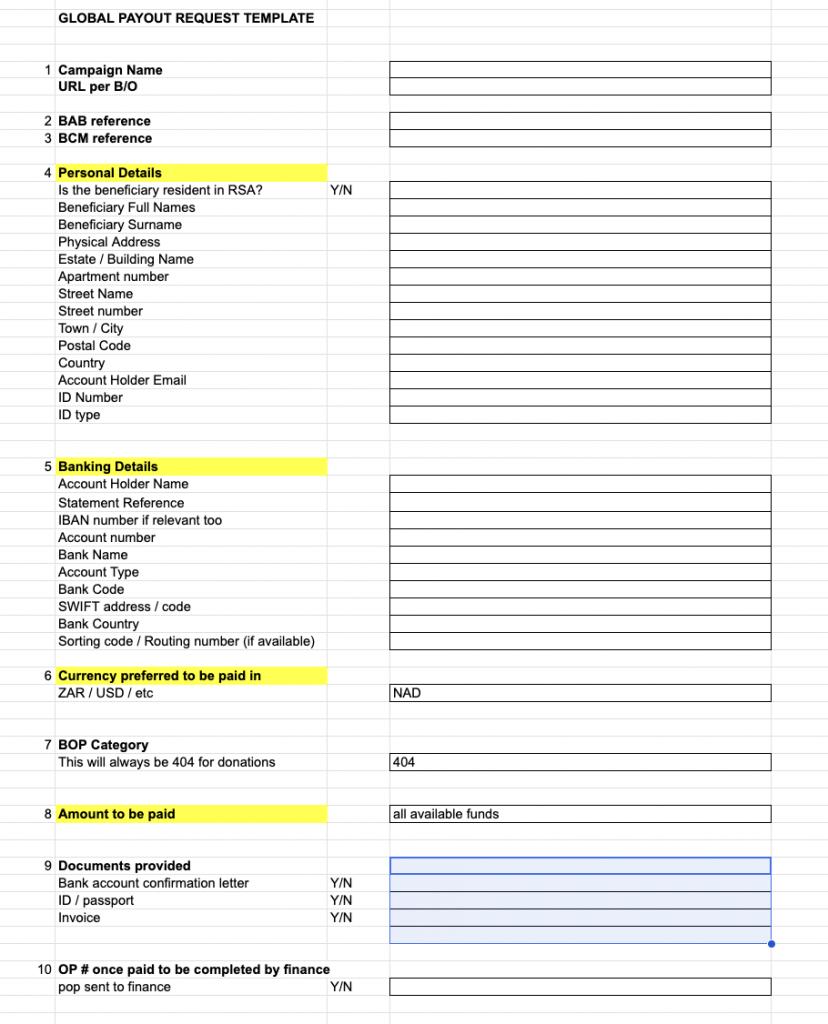
Please fill this form in carefully and in full.
Important notes:
-
Next to Amount to be Paid, make sure you enter either all available funds or the exact amount you want paid
-
International payouts are manual
-
You must submit a new Global Payout Form for every payout request
Once completed, send the form back to us (or to your campaign manager).
Step 5: Processing & timelines
After we receive the form:
International payouts take longer than local payouts
While timelines can vary, we recommend allowing 2–4 weeks for a successful international transfer.
International Payouts for Self-Managed Campaigns
Self-managed campaigns pay funds into a personal bank account, but there are a few important things to note for international payouts.
Before anything else:
Your campaign must receive at least one successful donation before it can be verified.
Step 1: Upload verification documents
When you’re ready, upload the following to your campaign under the verification tab:
-
Campaign creator’s ID
-
Supporting documents (e.g. invoice, quote, or formal proof showing how donations will be used)
-
Proof of banking
-
International bank account details
Step 2: Email our team
Email [email protected]
Let us know:
Step 3: Complete the Global Payout Form
We’ll send you the Global Payout Form.
Please:
Important:
You will need to submit a new Global Payout Form for every payout request on your campaign.
Step 4: Verification & payout
Once:
We’ll process your international payout.
As with Blue Tick campaigns, international payouts are manual, so please allow 2–4 weeks for funds to reflect.
A Few Final Things to Remember
-
International payouts take longer than local payouts
-
Accuracy is important, incomplete or incorrect information can cause delays
-
A new Global Payout Form is required for every international payout request
-
If you’re ever unsure, our team is here to help
[email protected]
We know this process can feel overwhelming, especially when funds are urgently needed. Thank you for your patience, and for the important work you’re doing through your campaign.
by Community | Jan 14, 2026 | BackaBuddy News
December is the noisiest month of the year. It’s also the month when trust matters most.
Looking back at December 2025, one thing became clear very quickly: when urgency rises, scepticism rises with it. Fundraising, marketing, and media all compete for attention, and audiences don’t automatically become more generous — they become more discerning.
The Good News Drop was never designed to cut through that noise with pressure or short-term tactics. It was designed to do something far more intentional: create the conditions where generosity feels safe, credible, and sustainable.
As a campaign, it offered valuable insight into how trust is built, how it behaves, and how it ultimately supports meaningful participation — especially in high-noise seasons.
-
This Was Never About Fundraising First
-
Why MotionAds Played a Critical Role
-
Offline Doesn’t Convert — It Prepares
-
Why Platform Context Matters
-
Tipping Revealed the Trust Layer
-
How the Ecosystem Worked
-
What This Means Going Forward
-
A Final Reflection
This Was Never About Fundraising First
From the outset, the Good News Drop was positioned as a brand, trust, and behaviour-shaping initiative, not a transactional fundraising campaign.
Rather than leading with urgency, the campaign focused on:
- Daily positive stories
- Visible, real-world presence
- Recognition of generosity
- Small, repeatable moments of hope
The intent was simple: help people feel hopeful, not hurried.
That intent guided every decision — from creative direction to channel roles to how success was measured. The emphasis wasn’t on instant conversion, but on emotional safety, familiarity, and credibility during a time when people are often overwhelmed.
Browse the Good News Drop
Why MotionAds Played a Critical Role
The partnership with MotionAds was never about direct donation attribution. Its role was more strategic — and ultimately foundational.
MotionAds brought:
- Physical visibility
- Legitimacy
- Real-world proof of presence
Execution highlights included:
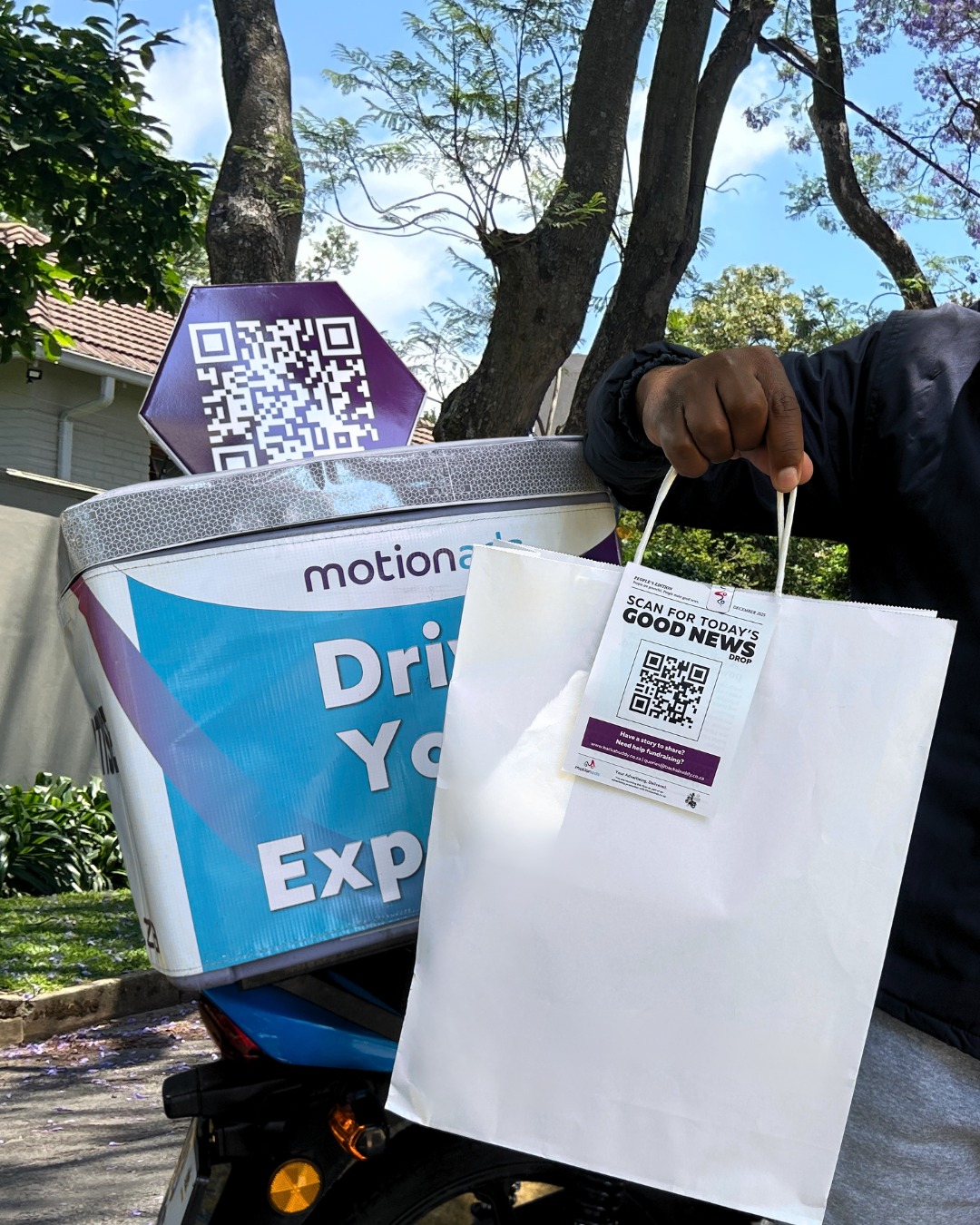
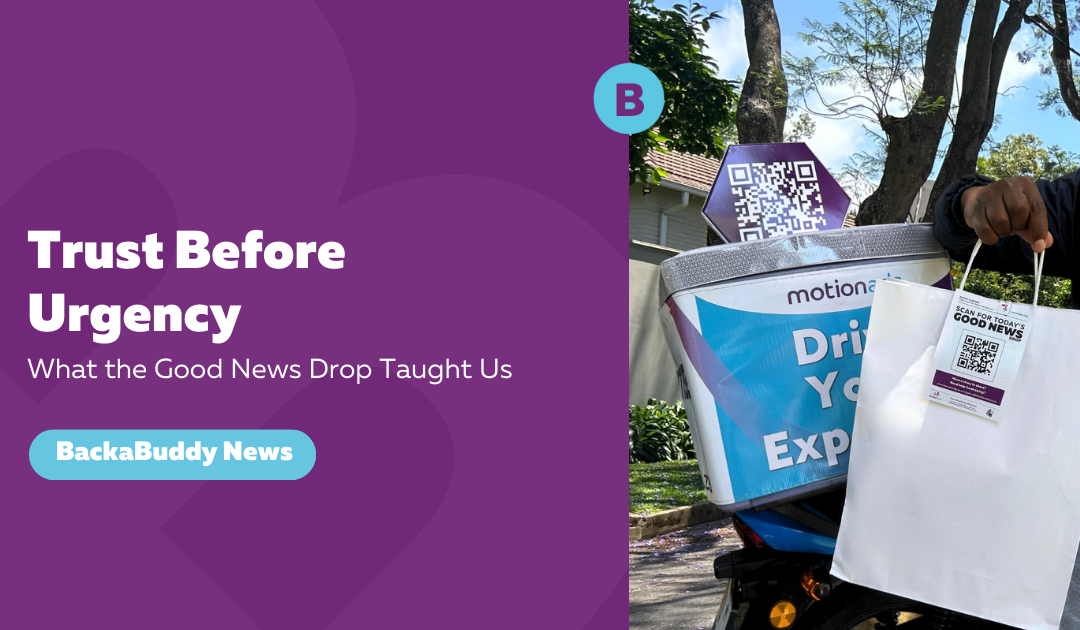
- 80 riders activated
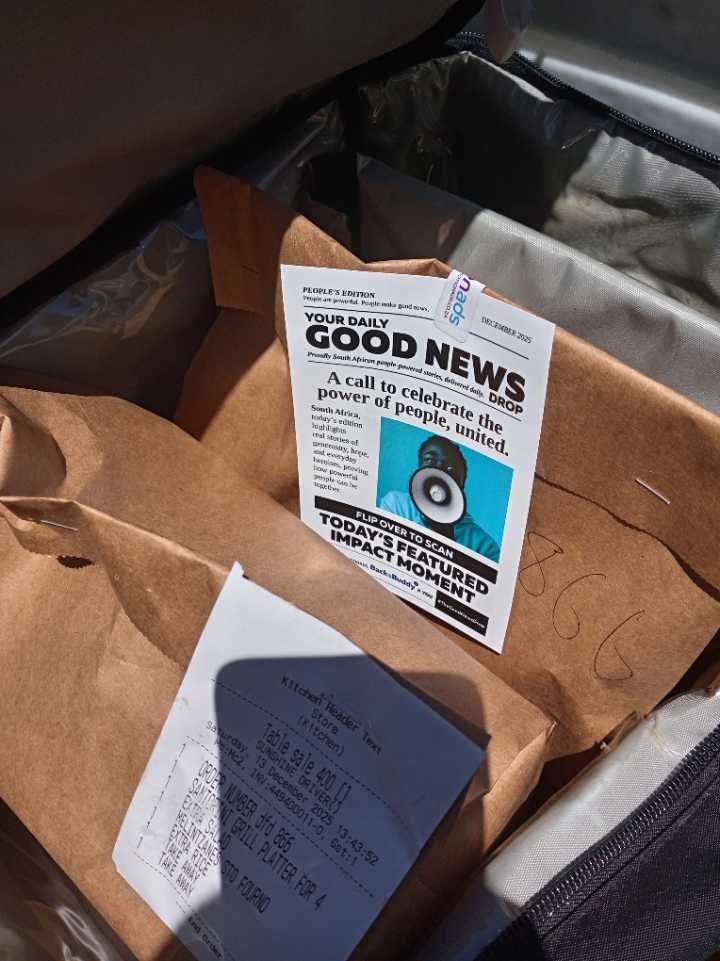
- Approximately 20,000 flyers distributed via Uber Eats deliveries
- QR codes linking to the Good News Drop hub
- Full geo- and time-stamped photo assurance
This physical layer functioned as a trust transfer mechanism. In a season of heightened scepticism, seeing the campaign in the real world reinforced authenticity in a way digital-only exposure often cannot.
Offline Doesn’t Convert — It Prepares
QR performance is often misunderstood, so it’s worth addressing clearly.
- Total QR scans: 159
- This is not a failure metric
- It is a signal of brand recall and confidence
What the data showed:
- Social media drove the majority of traffic and engagement
- QR codes acted as an assist channel
- Physical presence increased confidence and memory, not impulse behaviour
This aligns with well-documented behaviour patterns: trust is often built offline, while conversion happens later — digitally and asynchronously.
Why Platform Context Matters
During the Good News Drop period, December 2025 became one of BackaBuddy’s strongest months on record:
- R17.02 million donated
- Average of R549,164 per day
- 9 days exceeding R700,000
- 17,480 donors
- 39% year-on-year growth
What’s important here is not just the growth — but how it happened.
The increase came from more people giving, not larger individual donations. This points to inclusion, emotional safety, and trust — not extraction.
Tipping Revealed the Trust Layer
One of the most reliable indicators of platform trust is tipping behaviour.
December showed:
- 73% of donors chose to tip
- 15,778 tips received
- Average tip of R61
- Tip margin of 5.4%
Optional tipping only works when people trust the system they’re participating in. These numbers reinforced what the campaign was designed to do: strengthen confidence, not apply pressure.
How the Ecosystem Worked
The Good News Drop worked because each channel played a distinct role:
- MotionAds reinforced legitimacy and real-world presence
- Social media delivered reach, engagement, and repeat exposure
- PR ensured narrative consistency and partner credibility
Social performance highlights included:
- Facebook: 180,000 views
- Instagram: strong month-on-month uplift
- LinkedIn: high credibility and partner engagement
- TikTok: 79,000 views and over 2,400 new followers
Short-form, emotionally resonant content performed best — amplified by the credibility halo created through physical presence.
What This Means Going Forward
The Good News Drop validated a core insight that will continue to shape how we think about partnerships:
Trust precedes conversion — every time.
What worked:
- Emotion before urgency
- Recognition over pressure
- Physical presence as a trust signal
- Social as the primary conversion engin
What this opens up:
- Clearer offline success metrics from the outset
- Stronger post-exposure retargeting strategies
- Deeper storytelling integration across physical channels
- Lifecycle systems that convert trust into long-term participation
A Final Reflection
The Good News Drop wasn’t about raising money. It was about strengthening the conditions under which generosity happens.
For corporates and partners exploring purpose-led visibility, ESG-aligned storytelling, and brand-safe impact, this campaign offered a practical, real-world example of what becomes possible when trust is intentionally designed — not assumed.
As we move into a new year, that lesson feels more relevant than ever.

by Zane Groenewald | Dec 18, 2025 | Impact Updates, Organisations and Charities
St Luke’s Combined Hospices invites all South Africans to open their hearts and help care for more than 600 vulnerable patients and their families living across the Western Cape, including Gugulethu, Khayelitsha, Mitchells Plain, and Grassy Park.
The palliative care campaign, hosted on BackaBuddy, is raising funds to ensure that patients facing life-limiting illness receive care with comfort, dignity, and compassion, when they need it most.
The campaign is supported by Frank Rautenbach, a respected South African actor and producer, best known for his roles in Faith Like Potatoes, The Bang Bang Club, the biographical film Hansie: A True Story, and the long-running television series 7de Laan. Through his involvement, Frank is helping raise awareness of the realities faced by terminally ill patients and the importance of community support.
In his video message supporting the campaign, Rautenbach says:
“I’d like to highlight the plight of more than 600 terminally ill people living across the Western Cape. For the most part, these people are fighting this battle on their own because many of their families are just trying to make ends meet. At St Luke’s Combined Hospices, we are determined to give them dignity and hope — but we can’t do it on our own.”
St Luke’s Combined Hospices provides holistic palliative care through home-based medical and nursing support, counselling, meals, and bereavement care for families. The cost of caring for one patient is approximately R2,500, making public support essential to sustaining these services.
Rautenbach adds:
“Our goal is to raise R370,000, and all of it goes towards nursing care, counselling, and meals. With as little as R100, you can help us bring dignity and hope to these most precious people.”
Members of the public are encouraged to watch Frank Rautenbach’s full video message, where he shares why he is supporting this campaign:
https://www.youtube.com/watch?v=_NR8fj3ipJg
Any amount you’re able to give helps bring comfort, dignity, and care to someone who needs it most. Every contribution goes directly towards patient care and family support.
To support the campaign, visit: https://www.backabuddy.co.za/campaign/support-palliative-patients-this-festive-season