The requested seating support could give a determined Grade 9 learner better back support, comfort and independence in daily life.
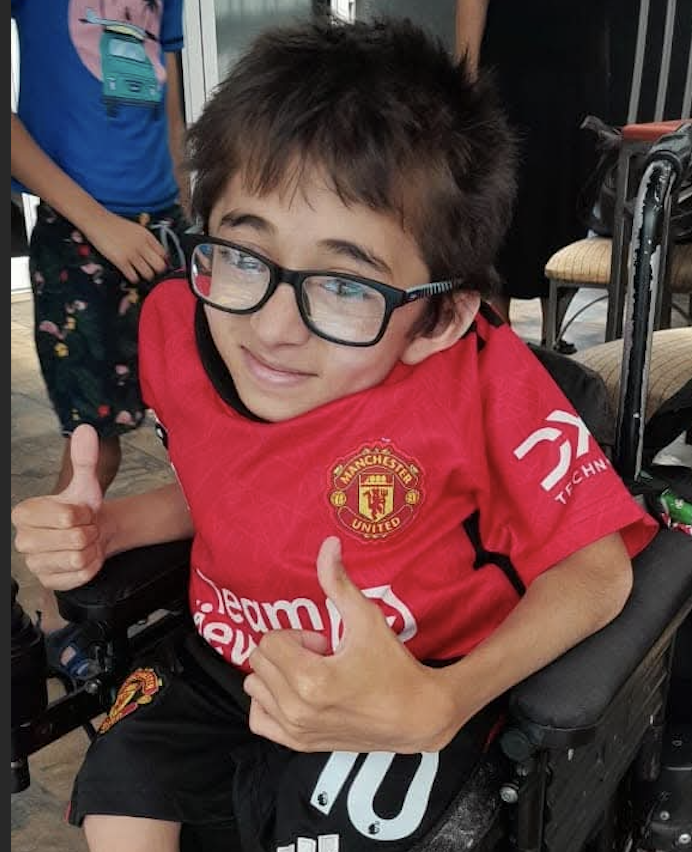
Liam January is a 16-year-old Grade 9 learner at Vista Nova High School with plans for a future in medicine. He also lives with osteogenesis imperfecta, commonly called brittle bone disease, and relies on a motorised wheelchair. According to the campaign, the requested backrest is intended to improve Liam’s back and postural support, comfort and quality of life throughout the day.
The Liam January wheelchair backrest campaign is raising funds for a specialised Tessback system. With replacement wheelchair batteries already funded, the backrest is the next practical step towards helping Liam move through school and daily routines with greater stability and independence.
A learner looking towards a life in medicine
The equipment request is important, but it is not the whole story. Liam is a teenager with ambitions, subjects to master and a career goal that asks him to keep looking forward. He wants to become a doctor, a dream shaped by determination and his own experience of healthcare.
Supporting his mobility means supporting access to ordinary building blocks of a future: attending class, participating at school and navigating daily routines with as much autonomy as possible. The campaign presents the new backrest as a practical way to improve comfort and support.
Practical support with a lasting effect
Liam’s wheelchair batteries have already been funded, allowing the fundraising focus to shift to the specialised backrest and its associated fitting costs. The new goal applies the same community spirit to another important part of his daily mobility.
Medical equipment costs can feel overwhelming to one family, but crowdfunding distributes the burden. Donors do not need to solve the entire need alone. Together, their contributions can help place the right support behind a young person who is already working hard to build his future.
The wider impact
Health-related fundraising carries both urgency and responsibility. The strongest support protects the person’s dignity while addressing practical barriers around treatment, equipment and access. It also recognises that wellbeing is shaped by daily independence and participation, not only by what happens in a consulting room.
A public campaign also makes participation flexible. Some supporters can donate, others can share the story with a school, club, workplace or professional network, and some may be able to offer expertise or an introduction. These different forms of help are most useful when they remain centred on the stated goal and the choices of the people leading the campaign.
Responsible storytelling is part of that support. Using accurate names, avoiding exaggerated promises and linking readers to the live campaign preserves trust. It lets the achievement remain hopeful without hiding the work still required, and it gives future updates a strong factual foundation as circumstances change.
What support can make possible
Crowdfunding works best when readers can see the goal, understand the need and choose how to participate. The campaign page brings those details together and remains the best place to check the latest total, updates and any changes to the plan before donating.
- A specialised Tessback wheelchair backrest
- Back and postural support, with improved comfort
- Greater participation at school and in daily life
Support is not limited to a financial contribution. Sharing the campaign with a relevant community, sending a message of encouragement or introducing the story to a potential partner can expand its reach. A series of modest actions can create the momentum that makes a large target feel possible.
Follow the Liam January wheelchair backrest
https://www.backabuddy.co.za/campaign/help-us-be-their-lifeline~2