
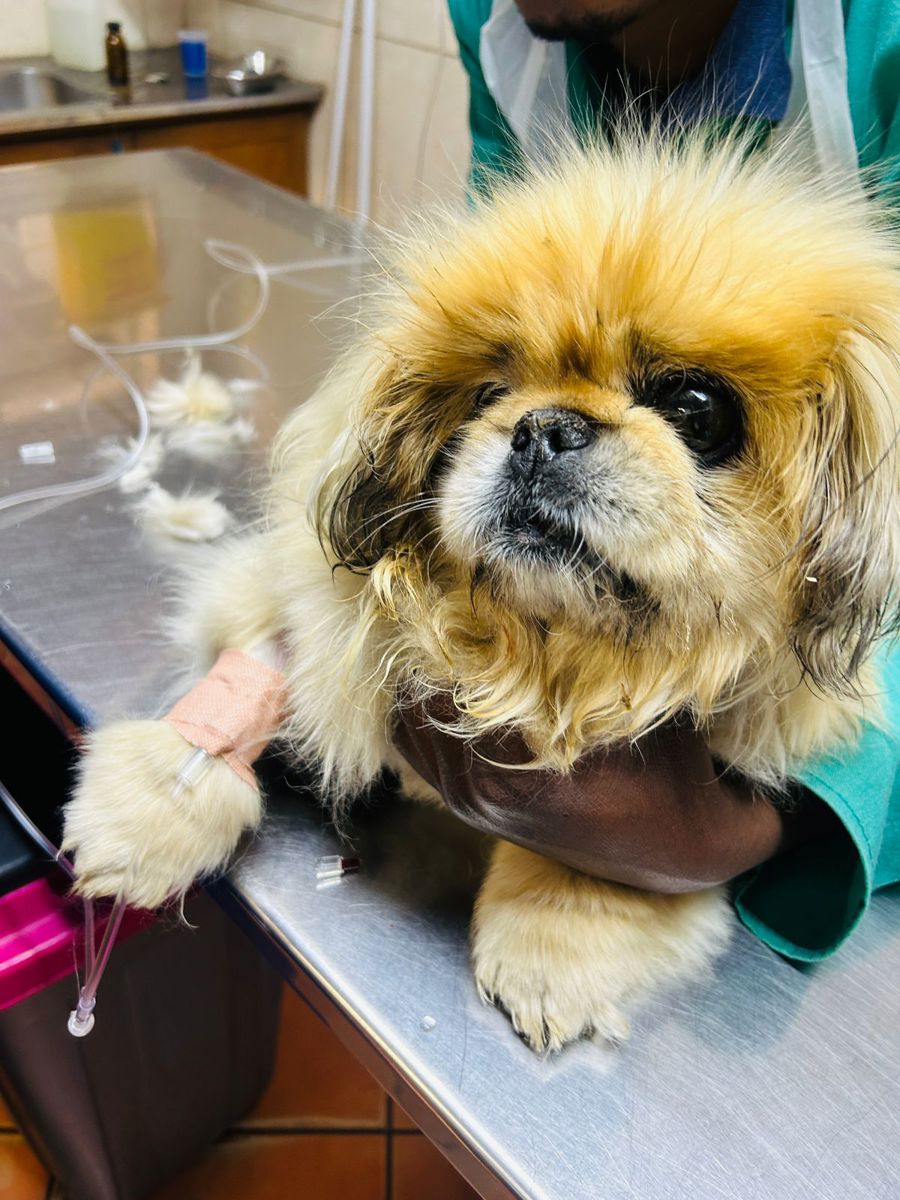
A neglected Pekingese received grooming, veterinary care and patient recovery before finding the family he deserved.
When Cooper arrived in rescue care, he needed more than a new address. The Pekingese had to be groomed, assessed by a veterinarian and given time in a safe environment before anybody could ask him to trust what came next. Pekingese Haven provided that bridge from neglect to recovery.
The Cooper Pekingese rescue story now has the ending supporters hoped for: he is healthy and living in a loving forever home. His progress also draws attention to the wider work of Pekingese Haven, which cares for more than 60 dogs and depends on public help to meet their daily and medical needs.
Rescue begins with careful assessment
A dog entering care may carry visible problems such as a matted coat, but rescuers also need to look for pain, infection, dental issues and the quieter effects of stress. Grooming can restore comfort and reveal underlying concerns, while a veterinary examination helps build the right treatment plan.
Cooper’s first days were therefore about stabilising his world. Regular food, a clean space and predictable handling allowed his carers to understand what he needed. Progress came through ordinary routines repeated patiently rather than a single dramatic intervention.
Recovery creates the possibility of adoption
A forever home is most successful when the rescue work before adoption is thorough. Medical needs must be addressed, temperament observed and potential families given an honest picture of the dog. That process protects both the animal and the adopter.
As Cooper became healthier and more secure, his personality had room to emerge. The frightened or uncomfortable dog from the beginning of the journey could be seen as an individual ready to form a new bond. His adoption completed the transition from emergency care to belonging.
One happy ending supports a larger mission
Cooper’s outcome is worth celebrating, but Pekingese Haven’s responsibilities continue. Caring for more than 60 dogs means ongoing food, cleaning, veterinary treatment and staffing needs. New cases can arrive before previous bills have been settled.
Campaign support helps the organisation remain ready for those cases. Cooper becomes a joyful example of what the work can achieve: a dog once in need is now safe, and the rescue network that helped him can continue reaching the next animal.
The wider impact
Animal-welfare outcomes depend on continuity. A rescue can begin in a dramatic moment, but recovery is usually built through feeding, cleaning, observation, treatment and patient routine. Public support gives carers the stability to keep doing that less visible work until safety, release or responsible adoption becomes possible.
A public campaign also makes participation flexible. Some supporters can donate, others can share the story with a school, club, workplace or professional network, and some may be able to offer expertise or an introduction. These different forms of help are most useful when they remain centred on the stated goal and the choices of the people leading the campaign.
Responsible storytelling is part of that support. Using accurate names, avoiding exaggerated promises and linking readers to the live campaign preserves trust. It lets the achievement remain hopeful without hiding the work still required, and it gives future updates a strong factual foundation as circumstances change.
What support can make possible
Crowdfunding works best when readers can see the goal, understand the need and choose how to participate. The campaign page brings those details together and remains the best place to check the latest total, updates and any changes to the plan before donating.
- Grooming, veterinary assessment and treatment
- Safe recovery before responsible adoption
- Ongoing care for more than 60 dogs at Pekingese Haven
Support is not limited to a financial contribution. Sharing the campaign with a relevant community, sending a message of encouragement or introducing the story to a potential partner can expand its reach. A series of modest actions can create the momentum that makes a large target feel possible.