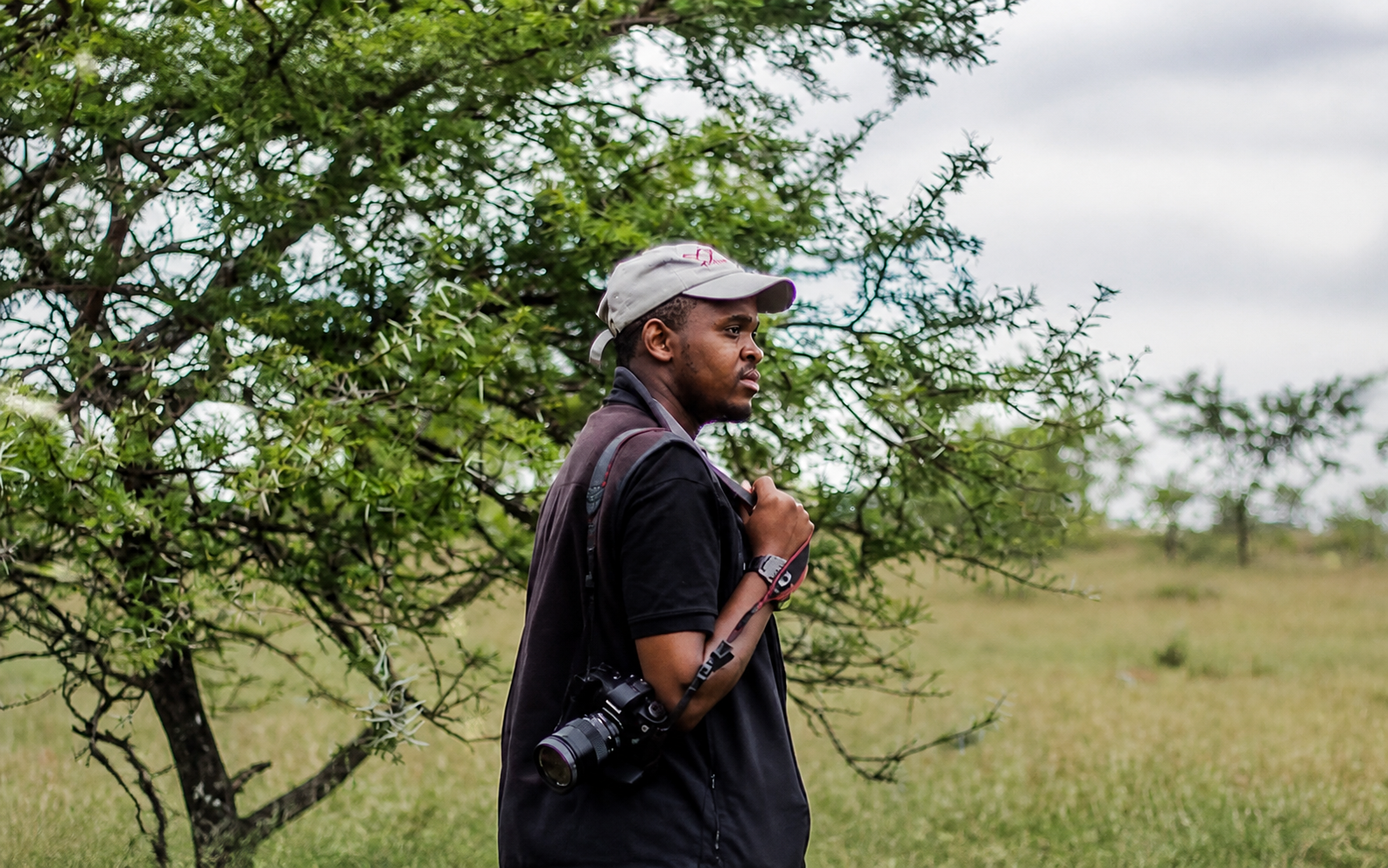
Cape Town, South Africa — Gugulethu photographer and videographer Luvuyo Wogqoyi, whose work has captured South African artists, brands and township creative culture, is raising R100,000 for dialysis and medical support after Stage 5 kidney failure and related heart complications forced him to stop working.
According to Wogqoyi, doctors have told him that his heart is currently too weak for him to qualify for a kidney transplant, leaving ongoing dialysis central to his care. He says he now faces losing access to hospital-based chronic dialysis and needs to secure medical aid, treatment and transport to continue receiving the care he needs.
At the centre of his appeal is his six-year-old daughter.
“I am asking for a chance to live for the sake of my six-year-old daughter who needs her father,” Wogqoyi says.
His Save a Life BackaBuddy campaign has raised over R63 000 toward its R100 000 goal, with 239 donors responding to his appeal.
The Man Behind the Camera
Support this campaign: View Save a Life and share this story with your community.
Before illness interrupted his career, Wogqoyi built his life around telling other people’s stories through images.
His professional portfolio describes him as a Cape Town photographer, videographer and video editor with years of experience in visual storytelling, including work connected to brands such as Capitec and Sportscene.
His photographs have also appeared in national media coverage of Cape Town’s music scene, including images of gqom artist Mr Thela.
But Wogqoyi’s connection to photography stretches further back.
More than a decade ago, he was named among the photographers involved with Ikasi Instawalk, a collective that used photography and visual art to showcase township creativity and bring exhibitions directly into local communities.
For years, his work meant faces, movement, laughter and people standing in front of his lens.
Now, he says, illness has taken that away.
“I miss seeing all those smiles, laughter and poses from my clients,” he shares. “Unfortunately, I had to stop working when I became sick.”
When Kidney Failure Made Dialysis Essential
Stage 5 kidney failure means the kidneys have lost most of their ability to remove waste and excess fluid from the body, making dialysis or transplantation necessary for many patients.
For Wogqoyi, the situation has become more complicated because he says his kidney disease has also affected his heart.
According to his campaign, doctors have told him that the weakness of his heart means he is no longer considered eligible for a kidney transplant.
That has placed enormous importance on continued dialysis.
South Africa has long faced severe pressure on public-sector chronic dialysis services. Research into the country’s kidney replacement system has found that access is heavily rationed because the number of people requiring long-term dialysis exceeds available resources.
In the Western Cape public health system, transplant eligibility has historically played an important role in deciding which patients can be accepted into chronic dialysis programmes.
For Wogqoyi, that wider healthcare reality has become intensely personal.
He says he now needs to find a way to fund medical aid and the transport required to access dialysis privately or through available medical cover.
Without his photography income, those costs have become impossible to carry alone.
‘If Not for Me, Please Do It for My Daughter’
Wogqoyi’s campaign does not focus on what he has lost as much as what he still hopes to hold onto.
His daughter is six.
He wants to be present for the school years, birthdays and ordinary moments still ahead of her.
He also hopes that improving his health could eventually allow him to return to the work that gave him purpose.
“I believe I can still make a difference in the world with my photography skills,” he says.
It is that combination — a father wanting more time with his child and a creative professional wanting the chance to work again — that has resonated with donors.
Within 48 hours, 138 people helped raise more than R36,000.
The contributions are creating a financial bridge towards dialysis, medical aid and transport at a time when Wogqoyi cannot generate the income he once did behind the camera.
“Any amount will make a difference,” he says. “The little you can give will help me live longer to see my lovely daughter grow up.”
His appeal becomes even more direct in its final line:
“If not for me, please do it for my daughter.”
From Documenting Lives to Asking Others to Help Save His
There is a painful reversal in Wogqoyi’s story.
For years, he was the person behind the camera, documenting other people’s milestones, careers and creative work.
His photographs became part of the record of Cape Town’s cultural scene.
Today, he is the one whose story needs to be seen.
His R100,000 campaign will help him meet the costs associated with remaining on dialysis, maintaining medical cover and travelling to receive treatment while he is unable to work.
More than a third of that target has already been raised.
But the need continues.
For Wogqoyi, the fundraiser is not about returning immediately to the shoots and clients he misses.
First, it is about staying well enough to be there for his daughter.
Then, he hopes, the camera can come out again.
Support this campaign: Support Save a Life on BackaBuddy.
How Dialysis Support Can Help
Community support can help Luvuyo access ongoing dialysis, medical aid and transport while he works towards a healthier future for his daughter.