by Tessa Van Rensberg | Jun 17, 2026 | Educational Tips, Fundraising Tips, Tips
Studying in South Africa is expensive. Even when you qualify academically, registration fees, historic debt, textbooks, laptops, transport, accommodation, and visas can stand between you and your dreams. Bursaries, NSFAS, and scholarships make a huge difference, but they don’t cover everyone. And even when they do, they don’t always cover everything.
That’s why more and more South African students are turning to online crowdfunding to close the gap, fund their studies, and stay on track to graduate. Platforms like BackaBuddy have helped thousands of students and education projects raise funds directly from friends, family, alumni, and even kind strangers who believe in the power of education.
If you’re facing financial stress as a student, here’s how you can fund your education through crowdfunding.
Setting Up Your Educational Crowdfunding Campaign on BackaBuddy
There’s no single formula for a successful educational crowdfunding campaign, but some approaches consistently help campaigns gain traction. A great example is the campaign launched by Andrea de Wet to help her daughters, Hannah and Alex, complete their university studies.
Over the course of a year, the campaign with a target of R285 000 raised more than R190 000 from 58 donors, helping both students reach graduation.
Here’s how they did it:
Tell a Clear, Honest Story
People support people, not just fees. Andrea’s campaign wasn’t simply about tuition. It told the story of a family navigating financial hardship after eight months of unemployment, while two hardworking students balanced multiple jobs alongside their studies.
Supporters could immediately understand who needed help, why the funding mattered, and what was at stake if the funds weren’t raised.
💡Get the Guide: In this guide we give some great pointers on how to frame a powerful campaign story. Check it out here.
Explained the Need
Instead of asking for support without context, Andrea clearly explained what the funds would cover and why the shortfall existed.
She also highlighted the efforts Hannah and Alex were already making to support themselves through coaching, pet sitting, consulting, and other part-time work. This helped donors see that the family was doing everything possible and simply needed help bridging the final gap.
Use Social Media to Build Momentum
Crowdfunding doesn’t happen in isolation. Throughout the campaign, Andrea regularly shared updates and personal reflections on her campaign as well as on social media, helping friends, family, and wider networks follow the journey and share it with others.
Those updates kept the campaign visible and gave supporters a reason to stay engaged.
Keep Supporters Updated
One of the most effective things the family did was continue communicating long after the campaign launched. When they entered the final stretch and needed corporate sponsorships to close the remaining funding gap, they posted an update explaining exactly where things stood and what was still needed.
Later, they shared the outcome everyone had been hoping for: “Yesterday, Hannah and Alex both graduated.” That update transformed donors from contributors into part of the success story.
Show the Impact of Support
People want to know that their contribution made a difference. In this case, supporters could see a direct outcome. Alex graduated with her BA in Film Art (3D Animation & Screenwriting), while Hannah completed her postgraduate qualification in Visual Communication and graduated as the top postgraduate student.
The campaign didn’t just help cover fees. It helped two young women complete their studies and step into the next chapter of their careers.
Make It Easy for Others to Help
Not everyone can donate, but almost everyone can share.
The campaign consistently encouraged supporters to spread the story within their own networks, helping the appeal reach beyond immediate friends and family. On BackaBuddy, every share creates another opportunity for someone new to discover a campaign and contribute towards its goal.
As Hannah and Alex’s journey shows, educational crowdfunding is often most successful when communities come together around a story, sharing it, supporting it, and celebrating the outcome together.
Real Examples of Educational Crowdfunding in Action
The best way to understand what makes an educational crowdfunding campaign successful is to look at real examples. While every journey is different, these campaigns show how communities can come together to unlock opportunities that might otherwise be out of reach.
1. Investing in a Future Doctor

When third-year medical student Mpho Mashego faced outstanding university fees, she turned to BackaBuddy to share her story.
Growing up in rural Bushbuckridge, Mpho’s dream was always to return home as a doctor and serve communities where healthcare resources are limited. She openly shared the sacrifices she had already made, including leaving a stable career as a medical scientist to pursue medicine full-time.
Her campaign raised R93 100 from just 15 donors, proving that educational crowdfunding doesn’t always require hundreds of supporters. Sometimes, a small group of people who believe deeply in your vision can make all the difference.
Lesson: Don’t underestimate the power of your close network. A clear purpose and authentic story often inspire meaningful support.
Check out her campaign here.
2. Funding Opportunity Beyond the Classroom

Educational crowdfunding isn’t only about tuition fees.
When Raul Muzokura secured a 50% scholarship to study Optometry in India, the remaining costs still placed significant pressure on his family. Family friend Lindy Borchers stepped in to launch a campaign on his behalf, helping raise the additional funds needed to make the opportunity possible.
The campaign exceeded its goal, raising R51 100 from 26 donors.
This is a great example of how BackaBuddy’s Champion model can be used for educational causes. Sometimes the person benefiting from the campaign isn’t the one doing the fundraising. Friends, family members, mentors, or community supporters can step forward to help carry the story and rally support.
Lesson: If someone believes in your potential, they can become one of your greatest advocates.
Check out Rual’s campaign here.
3. Creating Educational Impact for an Entire Community
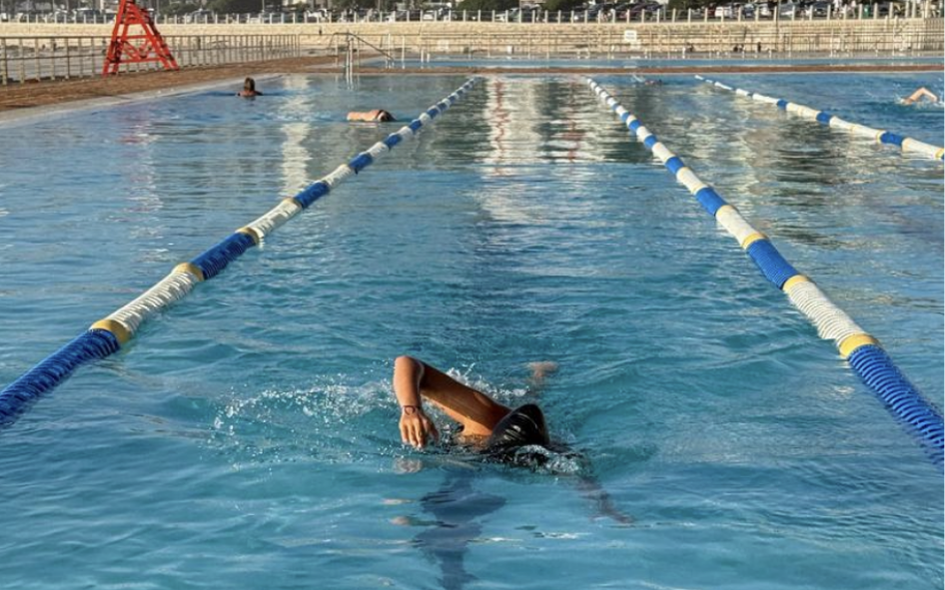
Some educational campaigns extend far beyond helping a single student.
Fifteen-year-old Mia Braun launched Stroke For Hope after learning that dozens of children drown in the Western Cape every year. Instead of fundraising for herself, she set out to raise money for Glide Along Aquatics, helping children from Atlantis access swimming lessons and water safety education.
Her campaign raised R127 946 from 88 donors, exceeding its target and helping fund opportunities that could ultimately save lives. This is another powerful example of champion fundraising in action. Mia chose a cause she cared deeply about, set a goal, and mobilised her community around it.
Lesson: Educational crowdfunding can support schools, programmes, community initiatives, and skills development projects, not just individual students.
Check out her campaign here.
What These Campaigns Have in Common
Whether it’s a future doctor clearing fees, a student pursuing international study opportunities, or a young champion raising funds for community education, the common thread is simple: people support stories they believe in.
The most successful educational crowdfunding campaigns aren’t necessarily the ones with the biggest networks. They’re the ones that clearly communicate the opportunity, explain the impact, and make it easy for others to get involved.
You Don’t Have to Walk This Alone
If you’re a student in South Africa facing funding challenges, whether it’s registration fees, historic debt, books, laptops, bursaries, or study material, you don’t have to carry it alone. Crowdfunding on BackaBuddy can give you the opportunity to:
- Share your story
- Invite community support
- Turn belief into action
Thousands of students have already done it. You can start your own verified crowdfunding campaign in just a few simple steps. Because education shouldn’t stop at affordability, and your dream deserves a chance.
by Mirjana Polic | Jun 17, 2026 | Educational Tips, Fundraising Tips, Organisations Tips, Tips
For many parents, school fundraising can sometimes feel like a second job. From bake sales to raffle tickets and all the civvies day in between, parents and teachers are left to juggle all of it. While traditional school fundraising ideas still work, when schools need to fund something bigger — like upgrading classrooms, replacing ageing computers, improving sports facilities, or buying educational resources — traditional fundraising can only go so far. That’s why more PTAs and school communities are exploring crowdfunding for school projects.
Across South Africa, many schools continue to face infrastructure and resource challenges that directly affect learners and educators. According to the Basic Education Handbook on School Infrastructure and Equipment in South Africa, access to proper facilities and learning resources remains an important part of creating supportive learning environments.
With the right support and a clear goal, crowdfunding can help schools bring important projects to life.
What Is Crowdfunding for School Projects?
Crowdfunding for school projects is the process of raising money online from parents, alumni, businesses, and supporters to fund educational initiatives and school improvements. Unlike traditional fundraising events, crowdfunding allows schools to reach people beyond their immediate community while making donations simple, transparent, and easy to share.
For many PTAs, it has become one of the most effective modern school fundraising ideas because it allows communities to directly support projects that improve learners’ daily experiences.
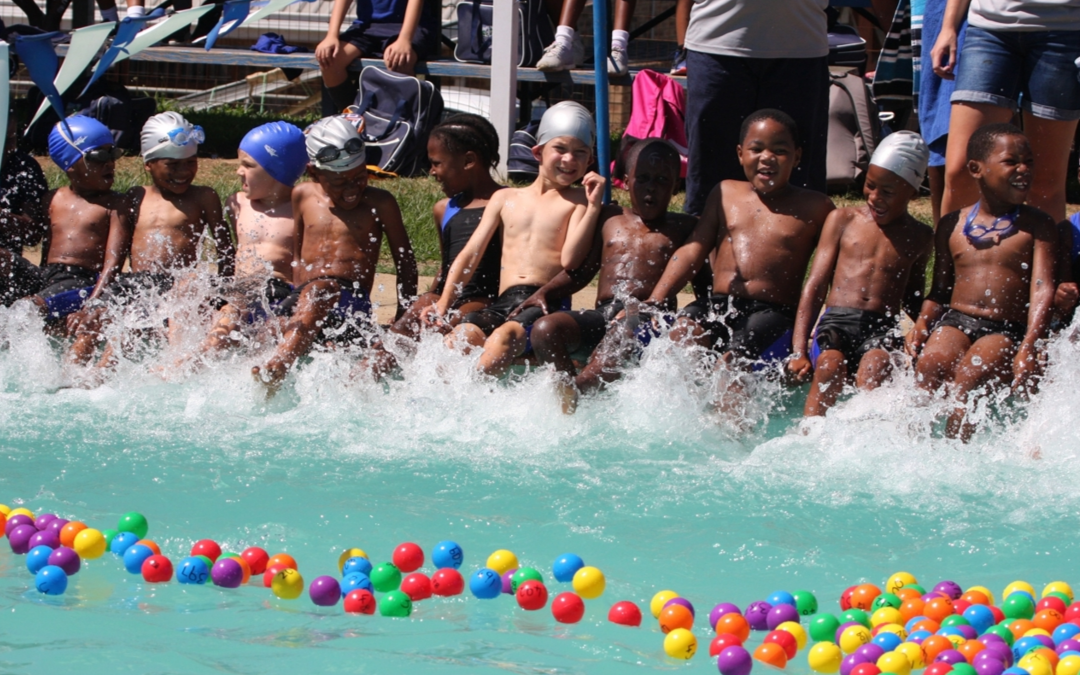
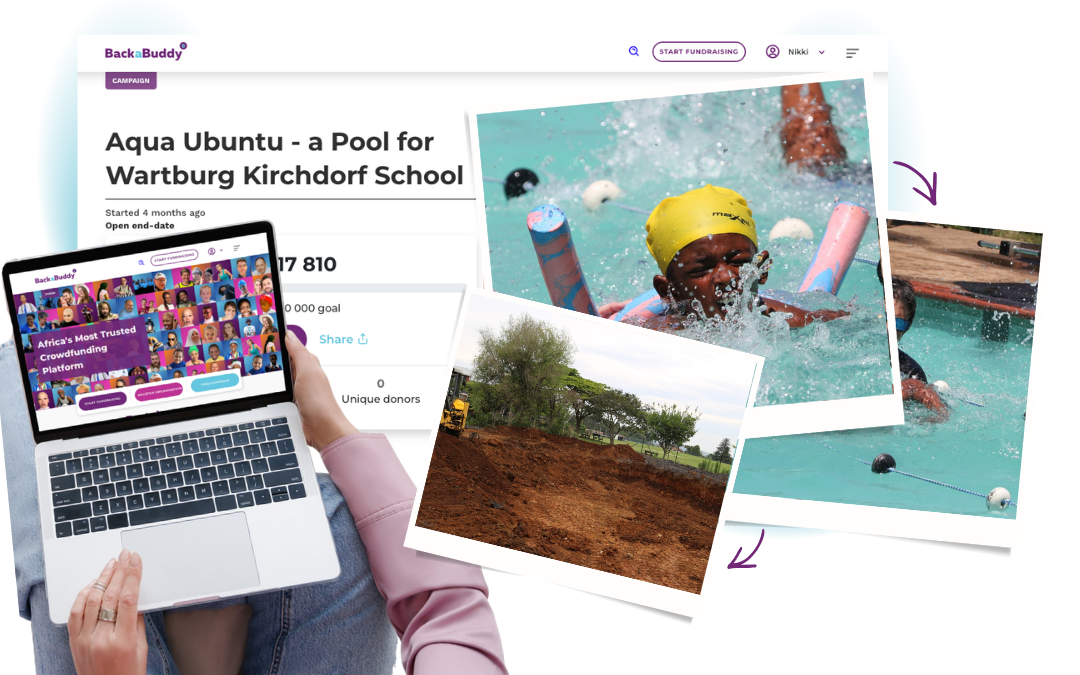
👉 See it live: Check out this live example from The Wartburg Kirchdorf School. They’re fundraising for a school pool.
Should Your School Start a Crowdfunding Campaign?
School fundraising events usually depend on the same group of people showing up again and again. Crowdfunding allows schools to reach beyond their immediate communities, and mobilise networks of support like:
- Alumni
- Grandparents
- Local businesses
- Former teachers
- Extended family members
- Community supporters
- Families living overseas
Because donations happen online, supporters can contribute quickly and easily from anywhere in the world. When people understand how a project could improve learners’ day-to-day experiences, they’re often far more willing to help. Many school communities already have people who genuinely want to contribute. Often, they simply need a clearer and more accessible way to do it.
How to Start a Crowdfunding Campaign for Your School
1. Start With One Clear Fundraising Goal
One of the biggest mistakes school fundraising campaigns make is trying to raise money for too many things at once. Before launching a campaign, sit down with school leadership and identify:
- One urgent need
- One realistic fundraising target
- One project that will visibly improve the learner experience
Specificity builds trust. People are more likely to support a fundraiser when they can clearly picture the outcome.
2. Tell a Story People Can Connect With
At the heart of every successful fundraising campaign is human connection. People donate because they care about people — especially children and opportunities that can shape their futures. Your campaign page should feel honest, personal, and genuine. It shouldn’t read like a formal budget report or a school memo.
Instead of only explaining what the school needs, explain why the project matters. Ask questions like:
- How will this project improve learners’ daily experiences?
- What opportunities will students gain?
- What challenges does the school currently face?
- What happens if funding never arrives?
People are much more likely to support a campaign when the story feels relatable and real.
Strong visuals can make a significant difference to how people respond to a fundraiser. You don’t need professionally produced videos or expensive photography. Sometimes a simple smartphone video featuring:
- Learners
- Teachers
- PTA members
- School staff
Photos and videos help supporters better understand the impact the fundraiser could have.
3. Build Momentum Before Sharing Publicly
One of the biggest misconceptions about crowdfunding for school projects is that you can simply launch a fundraiser and expect strangers to find it. In reality, the strongest fundraising campaigns usually grow from the inside out. Think about supporters in three circles:
Your Inner Circle
- Who: PTA members, teachers, and close school families
- What: They help create early momentum with the first donations.
The Second Circle
- Who: Alumni, grandparents, extended family, broader parent body
- What: They expand the campaign’s reach by sharing it online.
The Outer Circle
- Who: Local businesses, neighbours, community supporters
- What: They are more likely to contribute once they see visible support and activity.
Before promoting the campaign publicly, it helps to make sure your inner circle has already contributed to and shared the fundraiser. When people land on a campaign page that already has donations, comments, and visible support, it naturally feels more trustworthy.
👉 See it live: Campaigns like Wacky Windows – Finish Classrooms, Build Hope! show how communities can come together to support meaningful educational projects. Launched to help complete classrooms for learners in Jeffreys Bay, the campaign demonstrates how school community fundraising can directly improve learning environments and create long-term impact for students.
4. Don’t Overlook Local Businesses
When thinking about how PTA can fund school projects, local businesses are often one of the most overlooked opportunities. Many neighbourhood businesses genuinely want to support schools because it strengthens local relationships, builds goodwill, and aligns their brand with positive community impact.
Instead of simply asking for donations, try to create partnerships that feel beneficial for everyone involved. For example, schools can:
- Feature sponsors in newsletters
- Thank businesses publicly on social media
- Include logos on campaign materials
- Recognise supporters at school events
Even one business sponsor or matched donation can help build meaningful momentum for a fundraiser.
5. Keep Donors Updated Throughout the Campaign
One of the most overlooked parts of crowdfunding for school projects is communication after the donations start coming in. The moment someone contributes to a fundraiser, they become invested in the school’s story and progress. Regular updates help supporters feel included and reassured that the campaign is moving forward. Share updates like:
- Fundraising milestones
- Behind-the-scenes progress
- Photos of the project underway
- Learner reactions
- Completion updates
Keeping supporters informed helps maintain trust and encourages ongoing engagement throughout the campaign.
Practical Examples of School Projects
Some of the most successful education donation campaigns focus on:
- Classroom upgrades
- Library improvements
- Sports equipment
- Computer labs
- Feeding programmes
- Educational resources
- Playground renovations
The clearer the project feels, the easier it becomes for supporters to understand why it matters.
Common Mistakes School Fundraising Campaigns Should Avoid
Even strong fundraising campaigns can lose momentum if a few important details are overlooked. Some of the most common mistakes include:
- Launching campaigns before securing early donations
- Setting vague fundraising goals
- Using poor-quality visuals
- Failing to post regular updates
- Running campaigns for too long without creating urgency
- Making donation pages too text-heavy
Most of these challenges are easy to avoid with thoughtful planning and clear communication.
Every School Project Starts With One Story
Meaningful school improvements don’t always require years of exhausting fundraising events. With the right story, a united support base, and a clear goal, crowdfunding for school projects can help PTAs raise funds while bringing communities together around something meaningful.
Whether a school is raising money for classroom technology, sports facilities, feeding programmes, library upgrades, or educational resources, every successful campaign starts with one simple thing: helping people understand why the project matters.
Every learner deserves access to an environment where they can learn, grow, and feel supported. Learn more about creating a fundraising campaign on BackaBuddy and explore ways your school community can work together to support meaningful projects.

by Simbulele Jezile | Jan 23, 2024 | Educational Tips
As the academic year kicks off, many individuals are eagerly seeking opportunities to further their education and invest in their future.
However, the financial strain on education remains a formidable obstacle for many students. In South Africa, numerous avenues for financial aid and scholarships are opening doors for eager learners, turning obstacles into steppingstones.
-
BackaBuddy: Raising Funds for Education
Link to BackaBuddy
BackaBuddy is a game-changing crowdfunding platform for individuals both nationally and abroad seeking to finance their education. Be it a degree, certification, or any educational endeavour, this platform facilitates fundraising campaigns, connecting students with potential donors. Countless campaign creators worldwide have accessed education through BackaBuddy, breaking down financial barriers.
Sign up to register for your studies, here.
Here are some additional resources to finance your education:
-
National Student Financial Aid Scheme
Link to NSFAS
NSFAS, a government initiative, commits to providing financial aid to eligible South African students. The comprehensive program offers loans and bursaries covering tuition fees, accommodation, and study materials. Eligibility, based on financial need and academic performance, makes NSFAS an accessible option for students nationwide.
-
Ikusasa Student Financial Aid Program (ISFAP)
Link to ISFAP
ISFAP, a private sector-funded initiative, focuses on supporting specific fields of study crucial for South Africa’s skills development. By providing targeted financial aid, ISFAP empowers students to pursue educational goals and contribute meaningfully to the country’s growth.
Link to Thuthuka Bursary Fund
Managed by SAICA, the Thuthuka Bursary Fund supports students of colour pursuing chartered accountancy. Covering tuition, accommodation, and a living allowance, it ensures aspiring accountants can focus on studies without financial constraints.
-
Allan Gray Orbis Foundation
Link to Allan Gray Orbis Foundation
Championing entrepreneurial leadership, the foundation offers scholarships and fellowships to individuals with high potential. Covering tuition, accommodation, and providing a stipend, it nurtures the next generation of leaders.
Link to Fundi
Fundi, another valuable resource, provides financial solutions for students in South Africa. Explore their offerings to discover tailored options that can support your educational aspirations.
-
Funza Lushaka Bursary Program
Link to Funza Lushaka Bursary
For aspiring educators, the Funza Lushaka Bursary Program, sponsored by the Department of Basic Education, covers tuition, accommodation, and provides a small allowance. In return, graduates commit to teaching in public schools – a win-win for education and the future.
-
Private Scholarships and Foundations
Don’t forget to explore private scholarships and foundations. Many organisations and companies offer financial help based on academic merit, financial need, or specific criteria.

As the academic year unfolds, these avenues for financial aid, scholarships, and crowdfunding, along with educational loans and specialised bursary programs, stand as beacons of hope. Share this guide with those who seek knowledge, and together, let’s contribute to a brighter and more promising future for education in South Africa.